A Thanksgiving Table from the Fall Garden
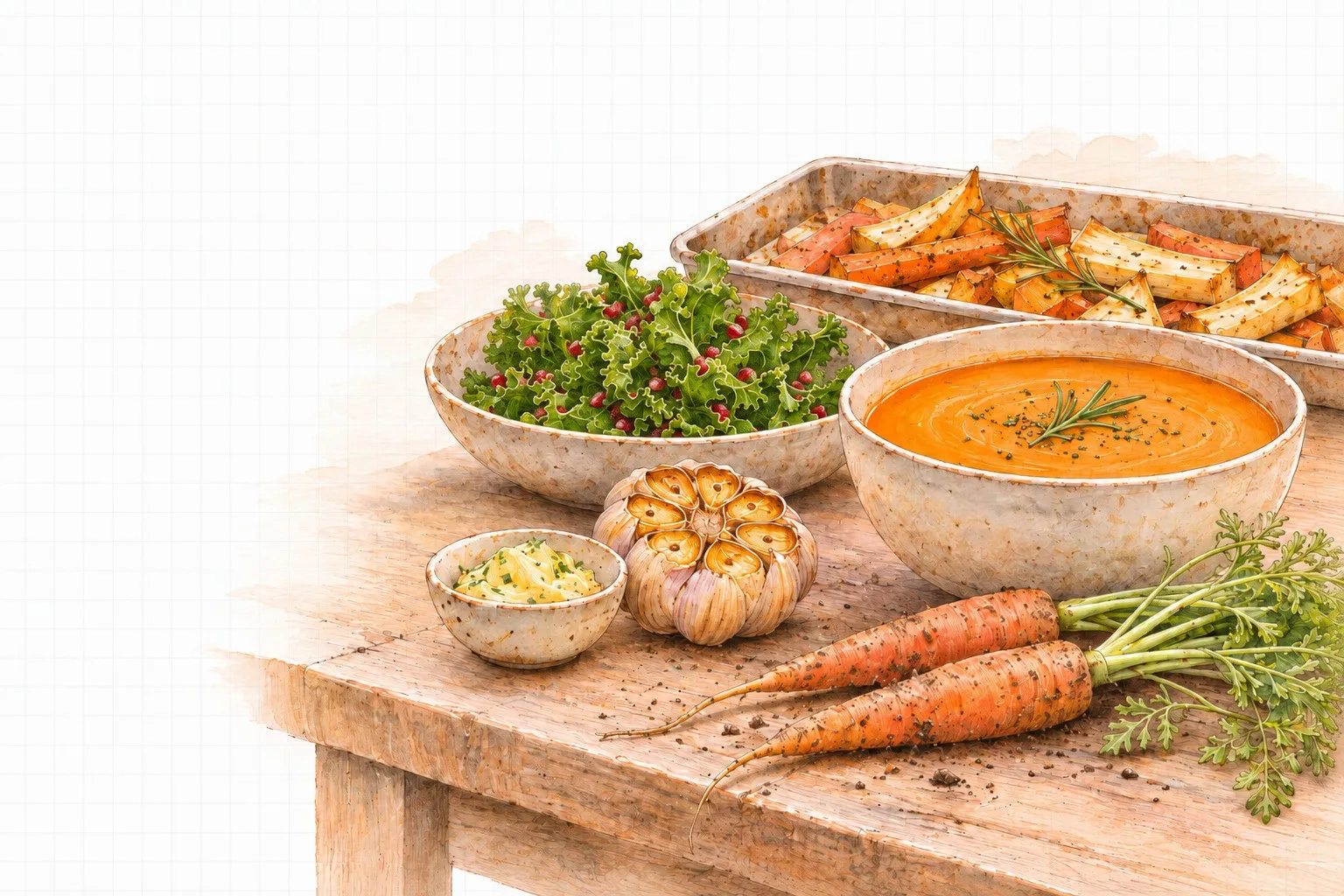
Thanksgiving is a week away, and I wanted to share a few ideas for bringing something from the garden to the table. After all the watering, waiting and wondering whether anything is going to grow, getting to share it with people you love feels pretty special.
Maybe you have enough carrots for a pot of soup. Maybe there’s kale ready to pick, or a few garlic bulbs tucked away from summer. Even a small harvest can become something everyone gets to try.
Of course, November looks different depending on where you live. Some gardens are still full of greens, while others have already had snow. Use what’s ready, bring out anything you saved earlier in the year, and fill in the rest at the store. You can still make a good meal while those carrots take their time.
Here are four recipes from our site, along with a few notes to help you decide what’s ready to pick.
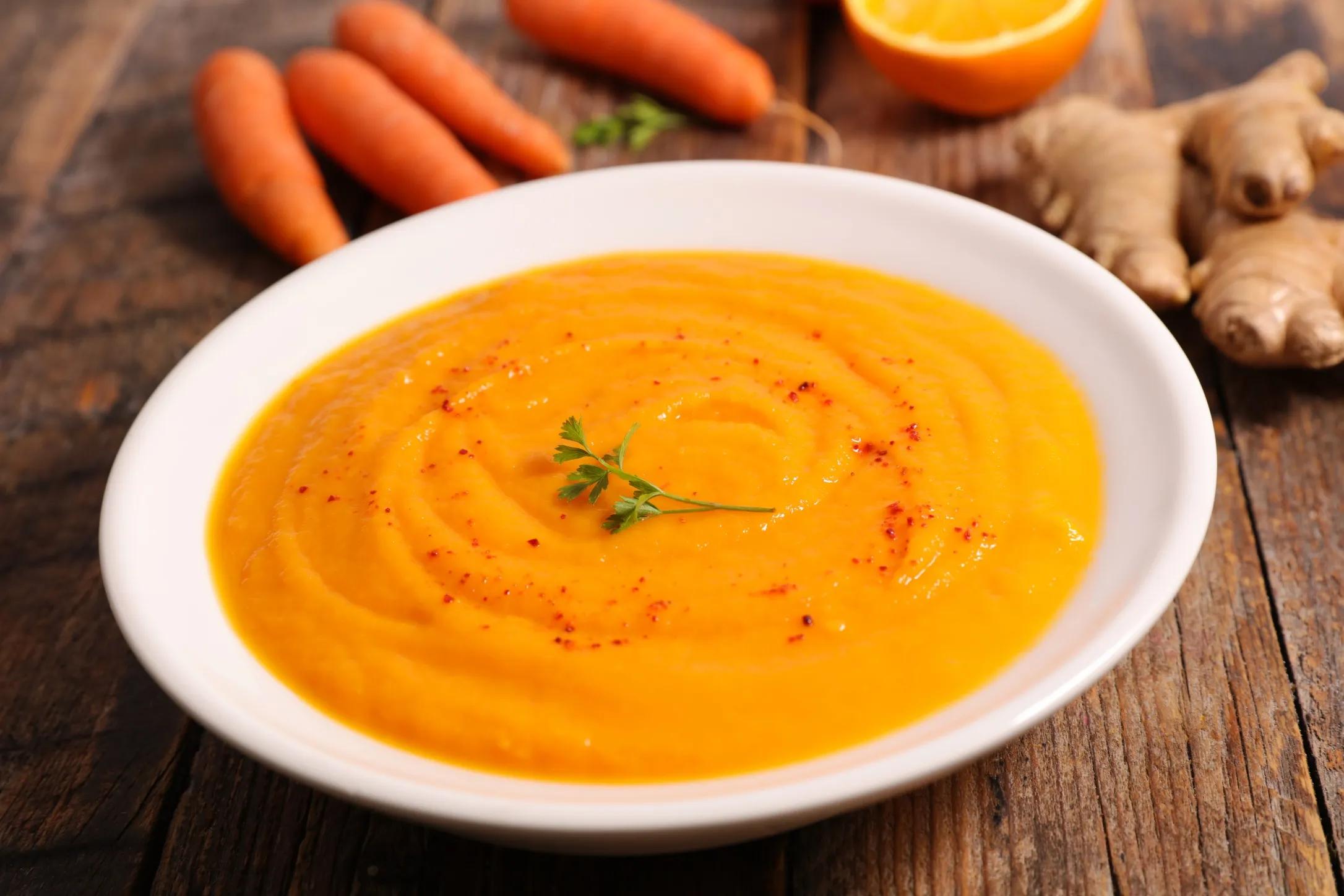
Carrot & Ginger Soup
A warm bowl of soup is a nice way to start Thanksgiving dinner, and this one gives those garden carrots a chance to be the main ingredient.
Start by softening onion, garlic and fresh ginger in a little oil. Add the carrots and stock, let everything simmer until the carrots are soft, then blend it smooth. A squeeze of lemon at the end brightens it up, and the ginger adds a little warmth alongside the sweetness of the carrots.
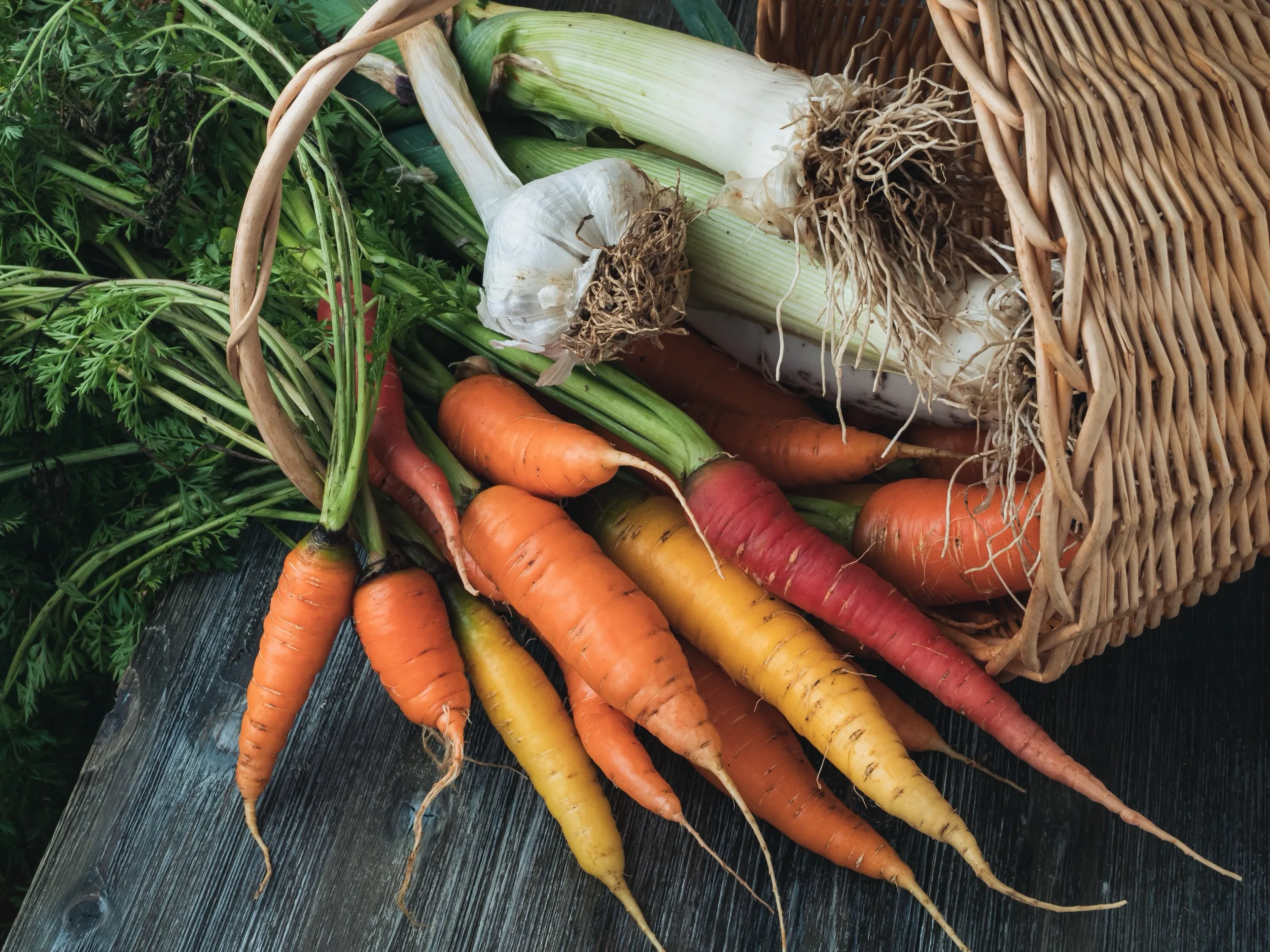
If you’re picking from the garden: You don’t have to wait for every carrot to reach the same size. Brush a little soil away from the top of the root, where the leaves come out, and see how it’s looking. Those tops are often called the shoulders, and sometimes they poke above the soil on their own.1, 2
Pull the bigger carrots and give the smaller ones more time.3 If the soil is firm, loosen it carefully with a garden fork beside the row before pulling. It’s disappointing to come away with half a carrot after waiting all that time.1
Get the recipe: Carrot & Ginger Soup
Roasted Root Vegetable Tray
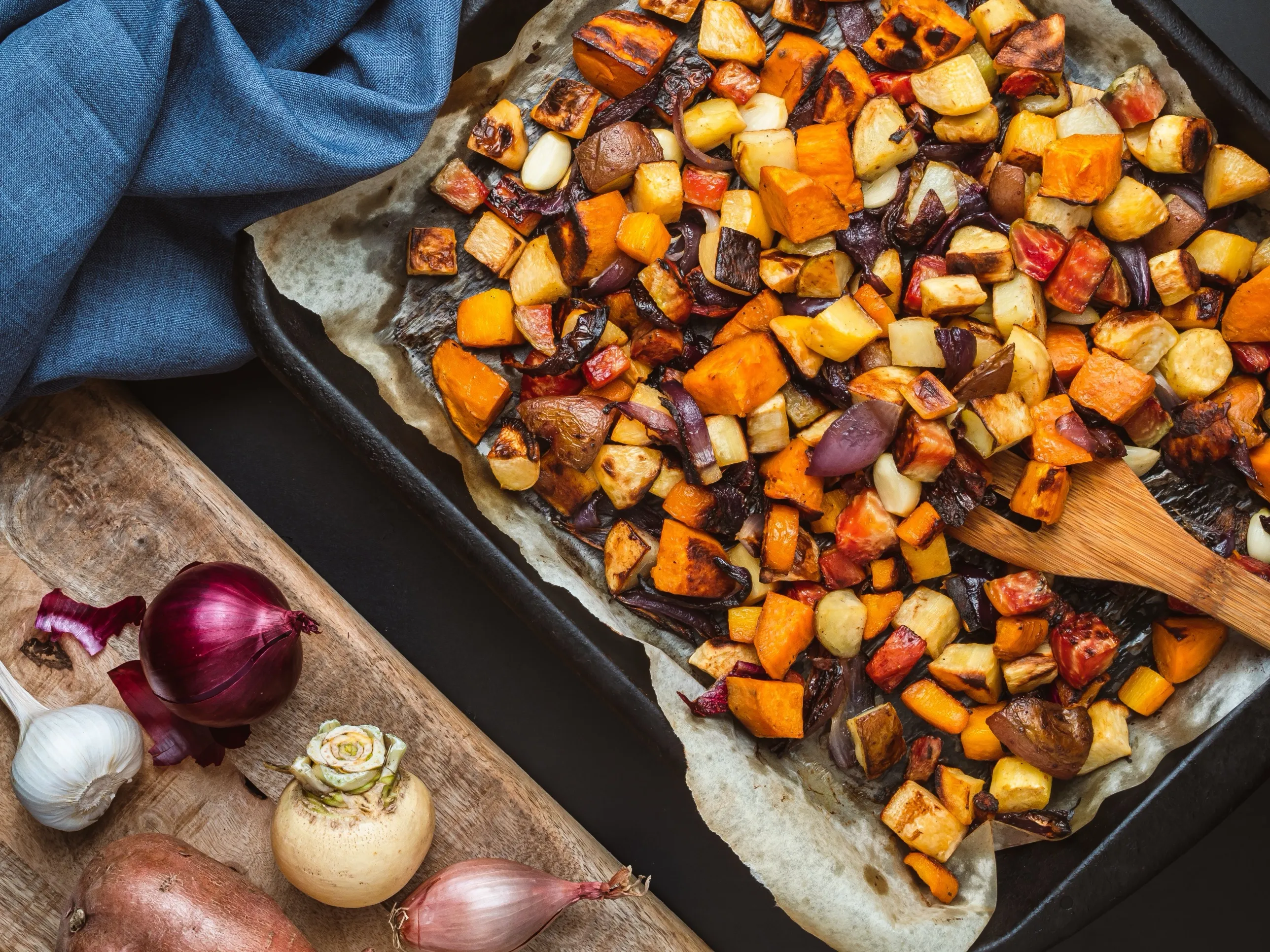
This is an easy one to work into a busy kitchen. Cut carrots, parsnips and beets into chunks, toss them with olive oil and a little honey, and roast them with rosemary and unpeeled garlic cloves until they’re tender and browned around the edges.
Keep the beets on their own side of the pan unless you’re happy with everything turning purple. They’re very willing to share their color.
If you’re picking from the garden: Parsnips take some patience, but cold weather helps bring out their sweetness. Roots around 1½ to 2 inches across are a useful harvest guide, and they’re often at their best after frost.1, 4
You can dig what you need and leave the rest for another meal while the soil is still workable. In colder areas, parsnips can even stay in the ground over winter for an early spring harvest. Just get them before new growth sends up a flower stalk, when their eating quality starts to decline.1, 4
Get the recipe: Roasted Root Vegetable Tray
Massaged Kale Salad
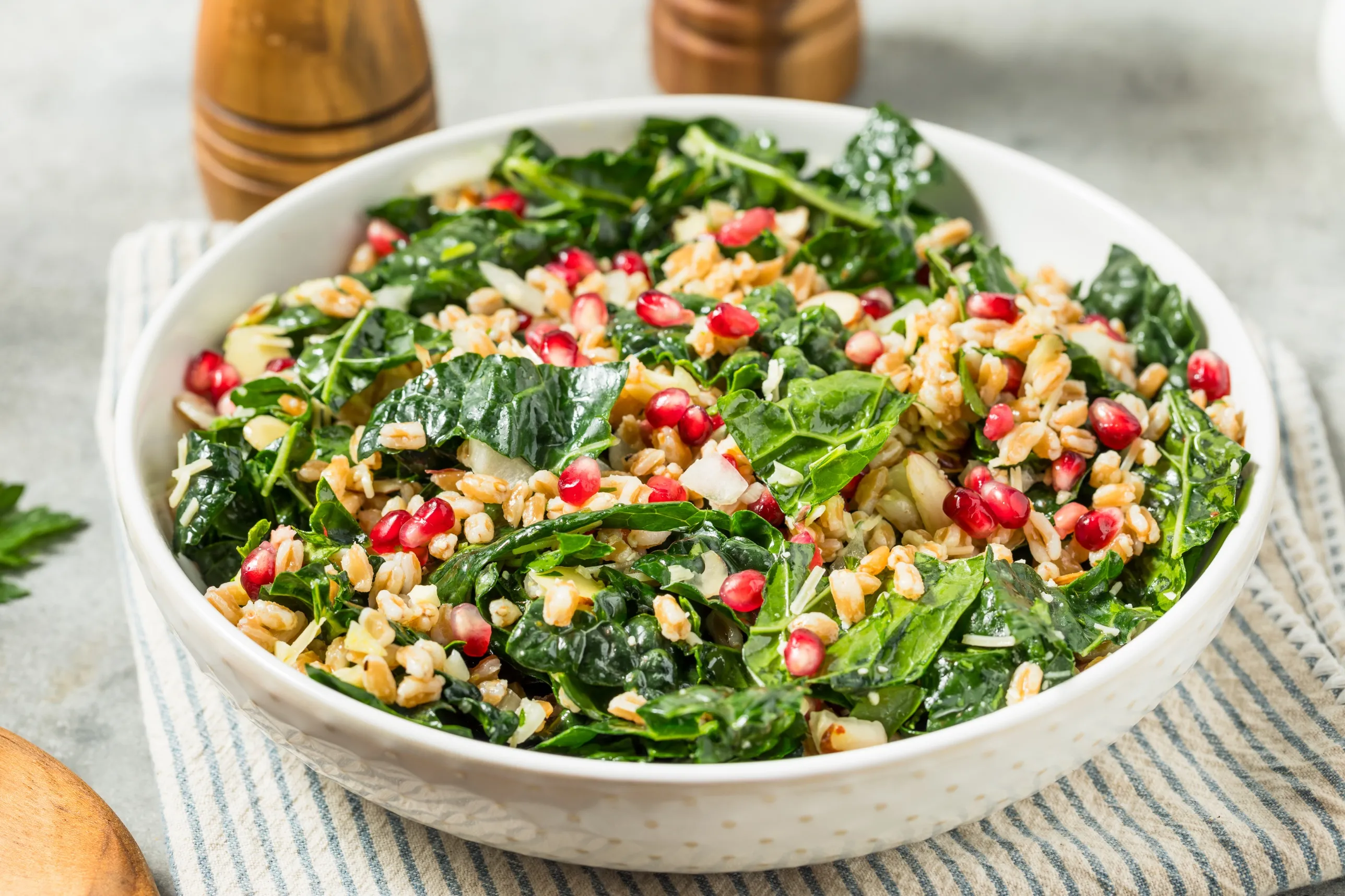
With all the rich food on the table, something fresh and lemony is a welcome addition. This salad also gives you one less thing to make on Thanksgiving morning.
Rub sliced kale with lemon juice, olive oil and salt for a few minutes, until the leaves soften and turn a deeper green. You can do that the night before and refrigerate it, then add the shaved cheese and toasted nuts before serving. For a heartier salad, stir in a scoop of cooked farro too.
If “massaging” a salad sounds like a lot of attention for a bowl of greens, it’s really just working the dressing into the leaves with your hands. It makes the kale much more tender.
If you’re picking from the garden: Start with the lower, outer leaves and leave the center growing. That way, you get your salad and the plant keeps producing. Kale handles frost well, and colder weather can make the leaves sweeter.5
A sliced Fuyu persimmon or a handful of pomegranate seeds would be good here, too. If you have either at home, our persimmon and pomegranate post walks through how to tell when they’re ready.
Get the recipe: Massaged Kale Salad
Roasted Garlic Butter
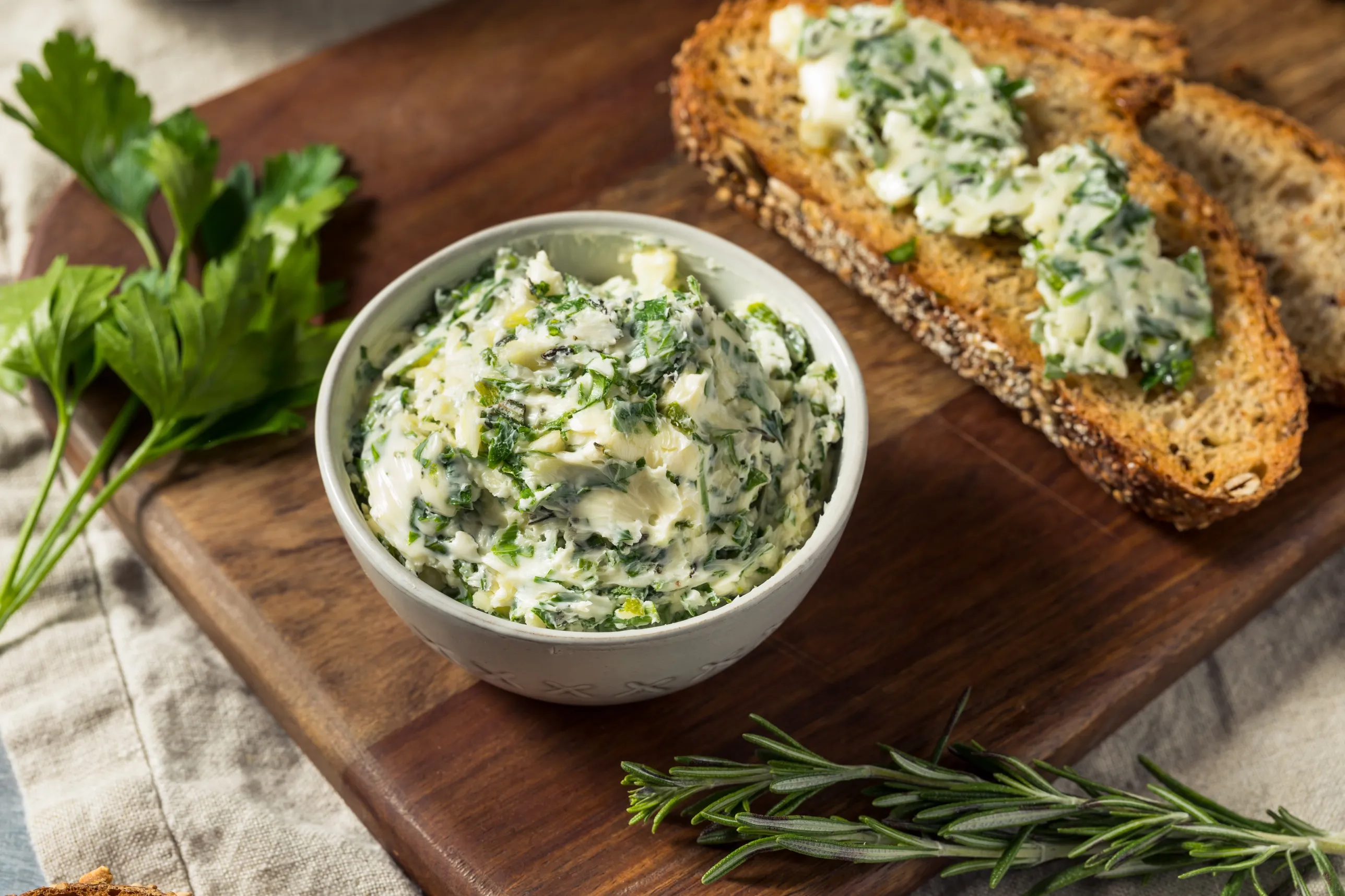
Even a little garlic butter gives you something homemade to pass around with the rolls.
Roast whole heads of garlic until the cloves are soft and sweet, then squeeze them into softened butter and mix in thyme and flaky salt. Put some on the table for the bread, stir it into potatoes, or let it melt over the roasted vegetables.
If you saved garlic from your summer harvest, this is a lovely way to use a bulb or two. Make the butter the day before and keep it refrigerated until serving.
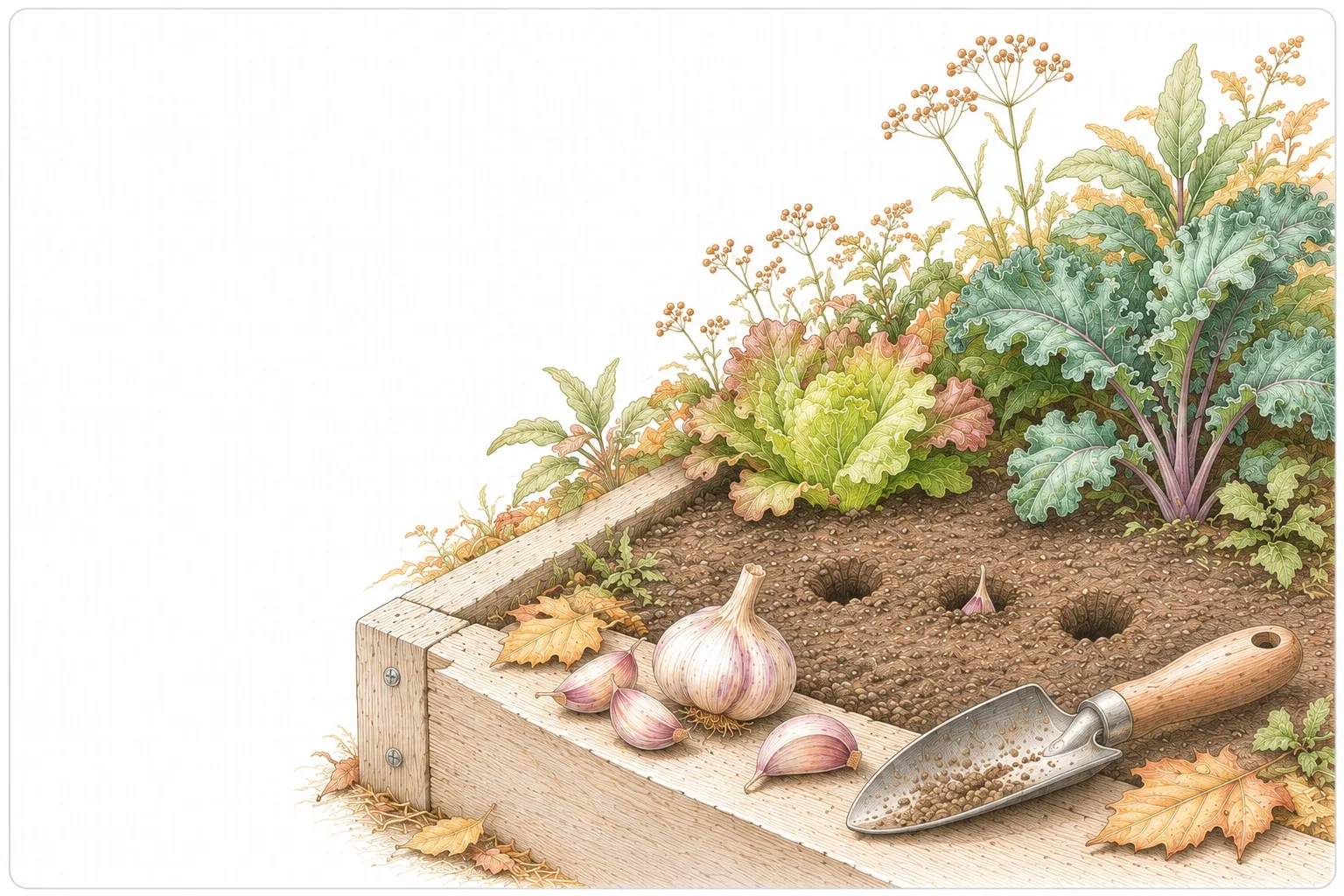
A little planning for next season: While you’re cooking with this year’s garlic, it might be time to plant next year’s. In mild climates, November can still fall within the planting window. UC Master Gardeners in Santa Clara County, for example, recommend planting from mid-October through the end of November.6
Our garlic post walks you through planting, and the frost dates page can help you get familiar with the timing where you live.
Get the recipe: Roasted Garlic Butter
Something you grew, something to share
One of the things I hope we can encourage through plant is more of this: growing a little food, learning as we go, and getting to share what comes out of it.
Being able to pass a dish around the table and say, “We grew some of that,” is something to be proud of. Even if it’s your first handful of carrots, or you had to buy a few more to finish the recipe.
I hope one of these dishes finds a place at your table this year. Happy Thanksgiving, and thank you for being part of what we’re growing.
All four dishes are in our recipe collection. You’ll also find more help in our carrot, parsnip, kale and garlic growing guides.
Cook what you grew
We’re building plant to help more people enjoy growing their own food and sharing it with the people around them.
Explore plant and follow along as we grow.
Sources
[1] University of Minnesota Extension, Growing carrots and parsnips in home gardens
[2] University of Georgia Cooperative Extension, Homegrown Carrots (Circular 1232)
[3] University of Maryland Extension, Growing Carrots in the Home Garden
[4] Clemson Cooperative Extension Home & Garden Information Center, Carrot, Beet, Radish and Parsnip
[5] Clemson Cooperative Extension Home & Garden Information Center, Arugula, Kale, Mesclun, Mustard and Swiss Chard
[6] UC Master Gardeners of Santa Clara County, Garlic
All sources accessed November 1, 2026.