Today · in your zone
What's happening right now
Off-season for garlic in zone 13.
Tap to switch. plant calibrates to where you are in the journey.
Garlic is one of the easiest crops to grow, but it works on an unusual schedule. You plant the cloves in fall, they rest through winter (under a mulch blanket where it is cold), and they finish growing the next summer, so a single planting takes most of a year. Garlic needs that winter cold to form a proper bulb, which is why you plant in fall rather than spring. Grow hardneck garlic where winters are cold and softneck garlic where they are mild. Garlic (Allium sativum) is a hardy allium grown from individual cloves planted in fall. It roots before winter, overwinters in the ground (mulched in cold regions), then resumes growth in spring and matures the following summer, an eight to nine month crop that spans the year. Winter cold is essential: cloves must be vernalized to divide and bulb properly, which is why fall planting beats spring. Hardneck types suit cold winters, produce edible scapes, and store a few months; softneck types suit mild climates, braid well, and store the longest.
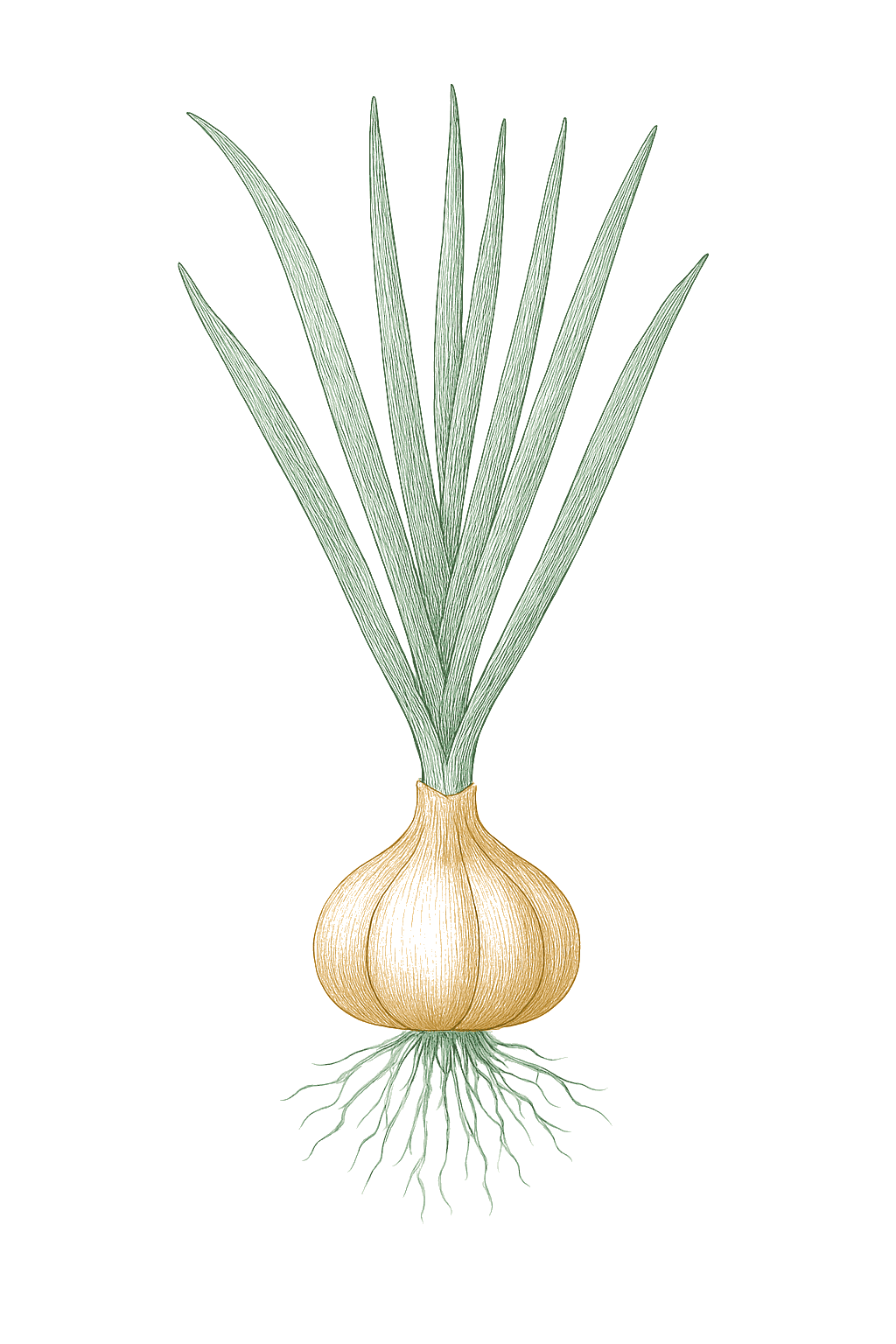
Off-season for garlic in zone 13.
In Zone 13, garlic can be planted October through November. Harvest runs March through April.
Garlic does not grow from seed, you plant the cloves. Just before planting in fall, break a bulb into separate cloves and leave the papery skin on each one. Plant the biggest cloves pointy side up, about 2 to 3 inches deep and 4 to 6 inches apart. Big cloves grow big bulbs, so plant the largest and cook with the little ones. Start with healthy cloves from a trusted source so you do not bring in disease.Garlic is grown from cloves, not seed. Break apart firm, healthy bulbs into individual cloves just before planting, keep the papery skins on, and plant the largest cloves pointed end up about 2 to 3 inches deep and 4 to 6 inches apart in fall. Bigger cloves make bigger bulbs, so save the largest for planting and eat the small inner ones. Use clean, disease-free seed stock from a reputable source, since white rot and bloat nematode ride in on infected cloves.
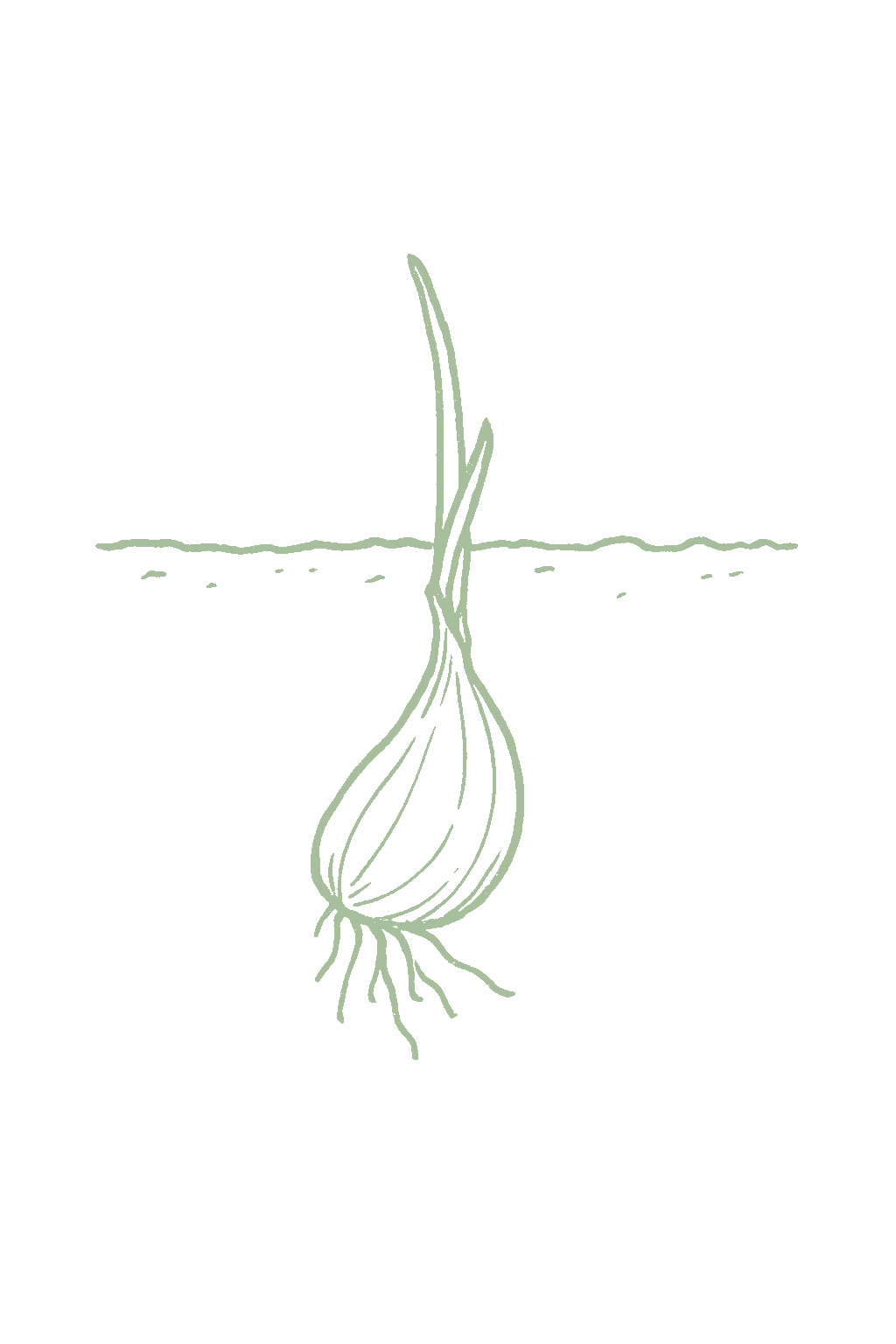
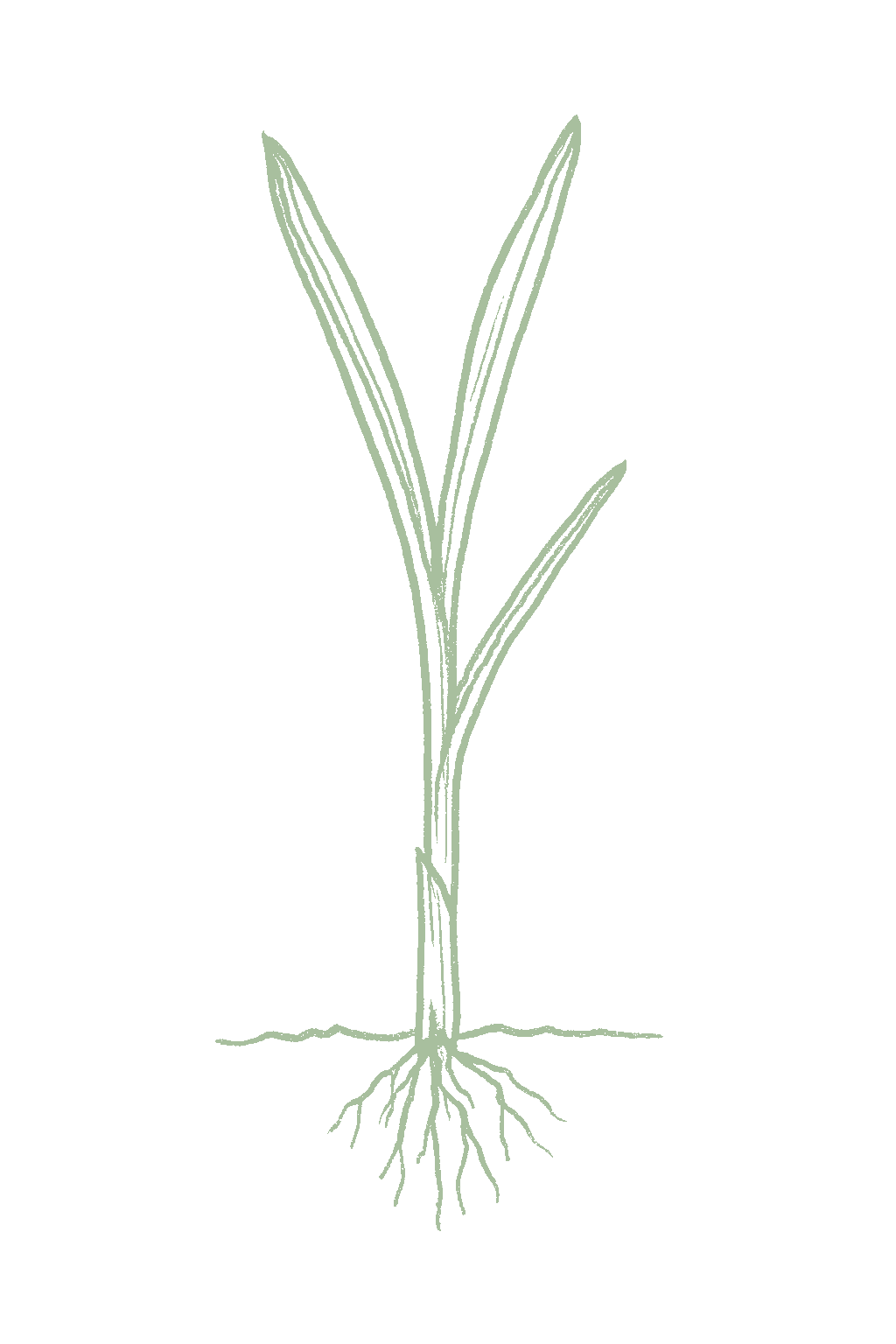
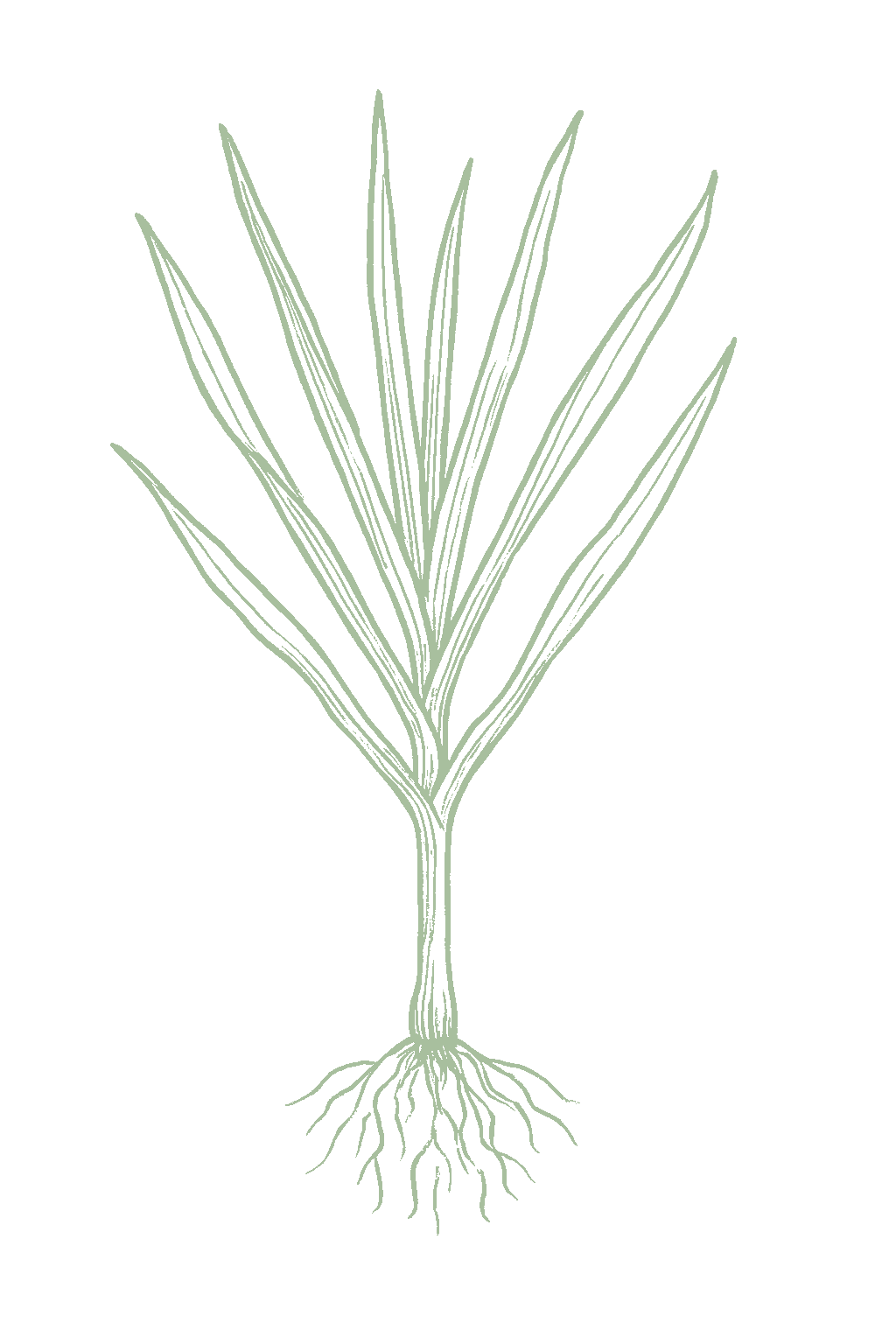
Not sure what soil you have? Grab a small handful of damp soil from your garden bed and squeeze it. If it crumbles apart easily, it's sandy. If it holds together but breaks when you poke it, it's loam (what most vegetables want). If it stays in a hard, slippery ball, it's clay.
Garlic likes loose, rich soil that drains well but still holds some moisture, with plenty of compost worked in. Loosen the bed deeply before planting so the roots and bulbs have room. The thing it cannot stand is soggy, waterlogged ground, which rots the cloves over winter, so avoid heavy clay and any low spot where water sits.
Mix 2-3 inches of compost into the top 6 inches of your bed before planting. Compost holds moisture (which sandy soil drains too fast) and adds the nutrients sandy soil tends to lack. Repeat each season. Compost breaks down over time.
Mix 2-3 inches of compost AND a few inches of coarse sand or perlite into the top 6 inches of your bed. The compost feeds the plants; the sand breaks up the clay so air and water can move through. Don't add sand without compost. It can compact like concrete.
If amending your soil sounds like too much work, or if your soil is heavy clay, full of rocks, or contaminated, build over it. A raised bed at least 12 inches deep filled with a 50/50 mix of compost and sandy loam gives you ideal growing soil with no battles. A 5-gallon container with quality potting mix does the same for one plant at a time. Both bypass your native soil entirely.
The numbers that matter, at a glance.
Garlic grows best in soil close to neutral, about 6.0 to 7.0. It is not very fussy, but very acidic ground holds it back, so if a soil test reads below about 6.0, mix in some garden lime before you plant in fall.Aim for a soil pH of about 6.0 to 7.0; garlic tolerates a slightly wider band, roughly 5.5 to 7.5, but yields fall off on strongly acidic soils. Test the bed the season before and lime an acid plot up toward neutral, since fall is your one planting window and there is no second chance to adjust mid-season.
Garlic is a hungry plant that makes its bulb from the leaves it grows in spring, so feed it then. Mix some compost or fertilizer into the soil when you plant in fall, then give it a nitrogen feeding once the green shoots are growing well in early spring, and again a few weeks later. Stop feeding before the bulbs start sizing up, which falls around April in warm regions and into May where winters are cold. Feeding late makes leafy plants with thick necks and small bulbs that do not keep well.Garlic has a moderate to high nitrogen demand and builds its bulb on the leaves it grows in spring, so feeding is front-loaded onto the spring vegetative push. Mix a complete fertilizer or compost into the bed at fall planting, then side-dress nitrogen as the shoots resume growth in early spring and again two to three weeks later. The exact cutoff tracks your season rather than a fixed calendar date. In cold-winter regions with a later crop, the last feedings run later: Utah State suggests about half a pound of 21-0-0 per 100 square feet in mid-April with a quarter pound in late May, and the University of Minnesota feeds through spring growth before bulbing. In the warm Southeast, where the crop runs weeks earlier, UGA advises no nitrogen after the first week of April. The unifying rule is to stop nitrogen several weeks before bulbing begins, since late feeding delays bulbing, thickens necks, and worsens storage.
Use a feed higher in the first number (nitrogen) such as blood meal or a 21-0-0 fertilizer in spring, then stop by early May.Higher first-number (N) feeds in spring, e.g. ammonium sulfate (21-0-0) or blood meal; taper off and stop by early May so bulbing is not delayed.
Garlic is famous as a good-neighbor plant, mostly because its strong smell is thought to keep aphids and some other pests away, so it is often tucked among roses, fruit trees, tomatoes, and cabbage-family plants. The one thing to keep it away from is beans and peas, since garlic and its onion relatives are believed to slow those down. These are helpful traditions, not sure things, so do not worry if your garden does a little differently. Garlic's companion reputation rests almost entirely on its sulfur scent, traditionally credited with deterring aphids, spider mites, and some borers, which is why it is interplanted among roses, fruit trees, tomatoes, and brassicas. The one firm caution is the legume conflict: alliums are widely held to inhibit beans and peas, so keep garlic away from them. Most of these pairings are traditional rather than trial-proven, and garlic's long fall-to-summer occupancy means it shares the bed with whatever overwinters or goes in around it; treat the pairings as low-risk suggestions, not guarantees.
Garlic is ready in early summer (or late spring in warm areas) when the lower leaves have turned brown but the top leaves are still green, about a third to half of them browned. Do not wait for all the leaves to die. Dig one bulb to check: if the cloves fill out the skins, it is time to harvest.Garlic is ready in early to mid summer (late spring in warm regions) when the lower leaves have browned and died back while several upper leaves stay green, about a third to half the foliage turned. Each green leaf is an intact wrapper, so do not wait for all the leaves to brown. Confirm by lifting a test bulb: ready bulbs have cloves that fill the skins.
Each clove you plant grows into one whole bulb, and each bulb has about 10 to 15 cloves inside. So a handful of cloves planted in fall becomes a basket of garlic the next summer.One bulb per planted clove, and each bulb typically holds 10 to 15 cloves (fewer, larger on hardnecks; more, smaller on softnecks). A 10-foot row at about 5-inch spacing yields roughly 24 bulbs.
All your garlic of one kind finishes around the same time in summer, so you harvest it together, then cure it and store it to use over the following months.Garlic of a given variety matures together in one main flush in early to mid summer, so the harvest comes all at once rather than over a long window; it is then cured and stored for months. The most important things for a good first harvest are choosing the right type for your winters and planting big cloves in fall. The wrong type, or planting in spring, gives small bulbs.Matching type to your winter (hardneck where winters are cold, softneck where mild) and planting good-sized cloves in fall are the biggest first-year levers; the wrong type for your climate, or spring planting, gives small or split bulbs.
Pick the type that matches your winters first. In cold-winter areas, grow hardneck garlic (like Music, Spanish Roja, or Chesnok Red), which needs real cold, makes big cloves, and gives you edible scapes, but does not store as long. In mild-winter and southern areas, grow softneck garlic (like Inchelium Red or California Early), which handles warm winters, makes lots of cloves, braids nicely, and keeps the longest. If you are not sure, Inchelium Red is forgiving in many climates. Elephant garlic is not really garlic, it is a mild leek relative.Choose by winter cold first, then by use. Hardneck garlics (Rocambole, Porcelain, Purple Stripe groups, such as Music, German White, Spanish Roja, Chesnok Red) need a genuine cold winter to vernalize and bulb, produce edible scapes, have fewer larger cloves, and store a shorter time, so they shine in the North. Softneck garlics (Artichoke and Silverskin groups, such as Inchelium Red, California Early and Late, Creole and Silverskin types) tolerate mild winters, yield more smaller cloves, braid well, and store the longest, so they are the choice for the South and warm regions. Where winters are mild, lean softneck; where winters are cold, hardnecks reward you with flavor. Elephant garlic is a leek relative, not true garlic.
Keep moving garlic around the garden. Wait about 4 years before planting garlic, onions, or leeks in the same spot, because soil diseases and the nematode build up there. Following garlic with crops like carrots, potatoes, or corn, which the nematode does not feed on, helps clean the ground.Rotate so garlic and its allium relatives do not return to the same bed for about 4 years. White rot sclerotia survive in soil for years and bloat nematode persists in debris, so a long rotation away from the whole family is the core defense. Carrots, potatoes, spinach, corn, and grains are good rotation crops because they are poor hosts for the bloat nematode.
The plant app sends a timely reminder at every critical moment of your garlic season. The wording adjusts to whichever you pick: beginner or seasoned. Here are three you'll see in Zone 13.
plant sends the right notification at exactly the right moment, for your zone, your weather, your crops. Founding members lock the rate forever.
We're building this guide with real growers. Got a question we missed? Ask here. We read every one and add the best answers right to this page.
Learned something the hard way? Pass it on. Real growers' tips make this guide better for the next person, and we credit you by name when yours goes live.
If you've grown this crop and you see a date, a temperature, a companion claim, or a recommendation that doesn't match your experience, tell us. Real growers' corrections make this guide better for the next person.
Every date, temperature, spacing, and recommendation on this page is sourced from university cooperative extension publications, peer-reviewed agricultural research, NOAA climate data, and direct extension calendars. Where claims are softer (traditional gardening wisdom not formally documented), we say so.
Spot a data point that doesn't match your experience? Submit a correction; accepted corrections earn full author credit on the page.
Zone-aware seasonal nudges, what's worth planting now, and the occasional recipe from the harvest. No spam, ever.