Today · in your zone
What's happening right now
Off-season for mint in zone 8.
Tap to switch. plant calibrates to where you are in the journey.
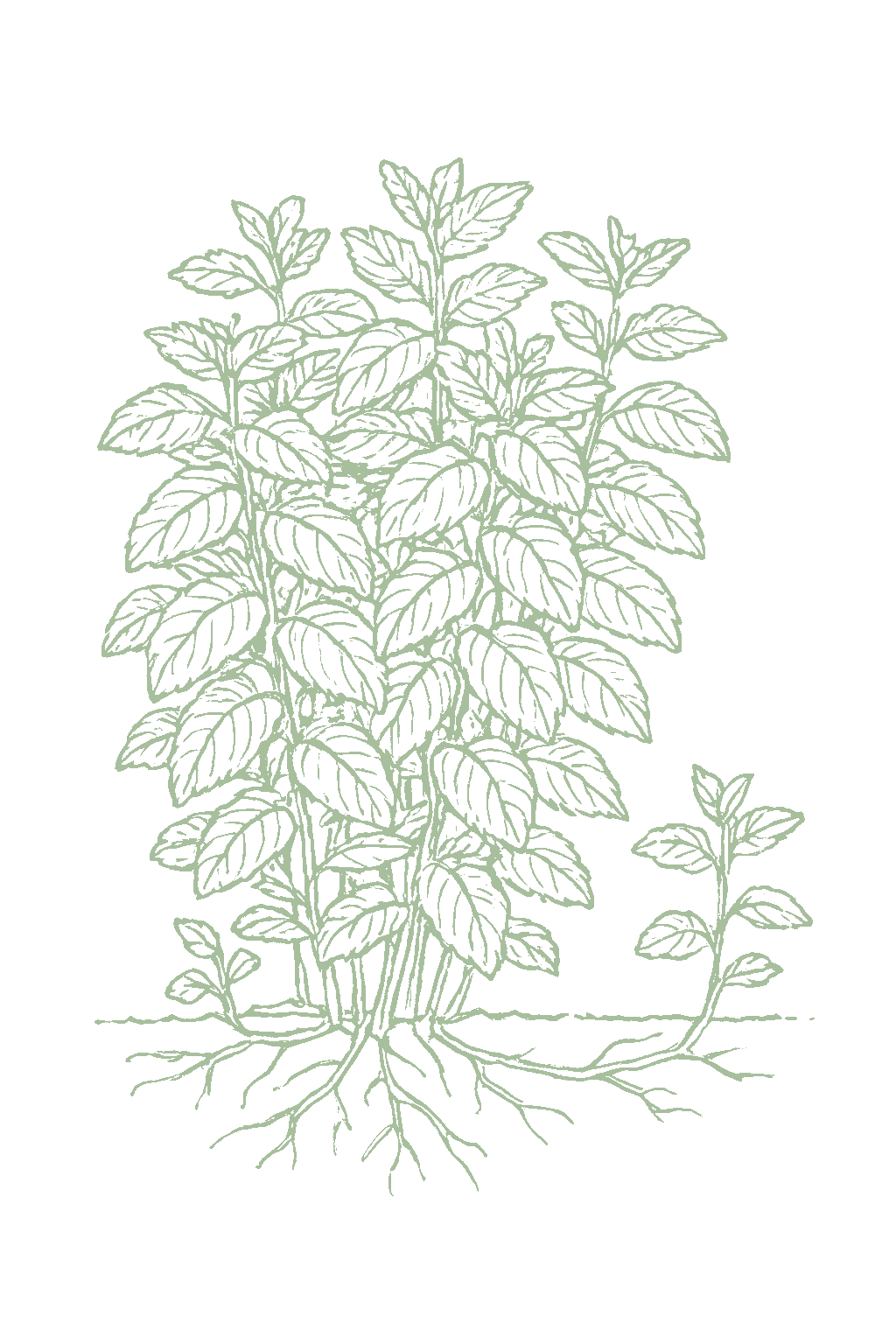
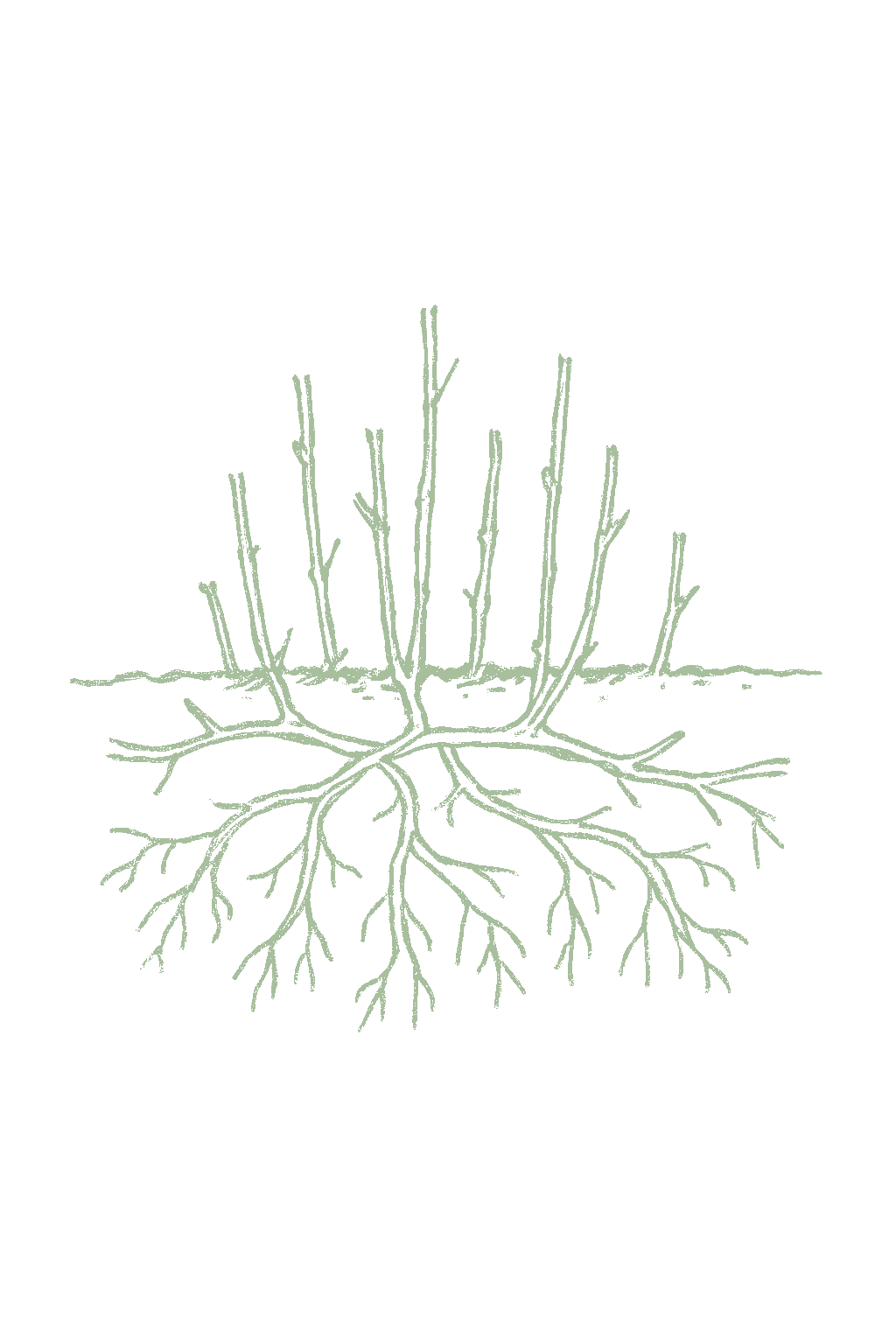
Mint is one of the easiest herbs to grow, and it comes back every year on its own. Unlike most herbs, it loves moist soil and even grows in part shade, so it is happy in a cool, damp spot. The one thing to know about mint is that it spreads like crazy, running underground and popping up everywhere, so almost everyone grows it in a pot or a buried, bottomless container to keep it from taking over the garden. Grow it from a small plant or a cutting, not from seed, keep it watered, and snip sprigs whenever you want; the more you cut it, the better it grows. Spearmint is the mild, sweet everyday mint and peppermint is the stronger, cooler one, and there are fun flavors like chocolate and apple mint too. Mint (Mentha) is a hardy herbaceous perennial grown for its aromatic leaves, and it breaks nearly every rule the Mediterranean kitchen herbs follow. Where rosemary and thyme want lean, dry, sun-baked ground, mint wants rich, moist to damp soil and happily takes part shade, thriving in low, cool spots that defeat other herbs. It is very cold hardy (Utah State rates it to about -20°F, roughly USDA zones 3 to 9 and beyond), planted once from a division, cutting, or transplant and returning every spring from its roots. Its defining trait is aggression: mint spreads fast by underground rhizomes and above-ground stolons, and every extension source says the same thing, contain it in a sunken bottomless pot or a lined bed or it will take over. Spearmint (Mentha spicata) is the mild, sweet all-purpose culinary type; peppermint (Mentha x piperita) is the stronger, cooler, menthol one; and named mints, being hybrids and selections, come untrue from seed, so they are grown from cuttings and divisions. Harvest is cut-and-come-again all season, and frequent shearing keeps the leaves tender and heads off flowering.
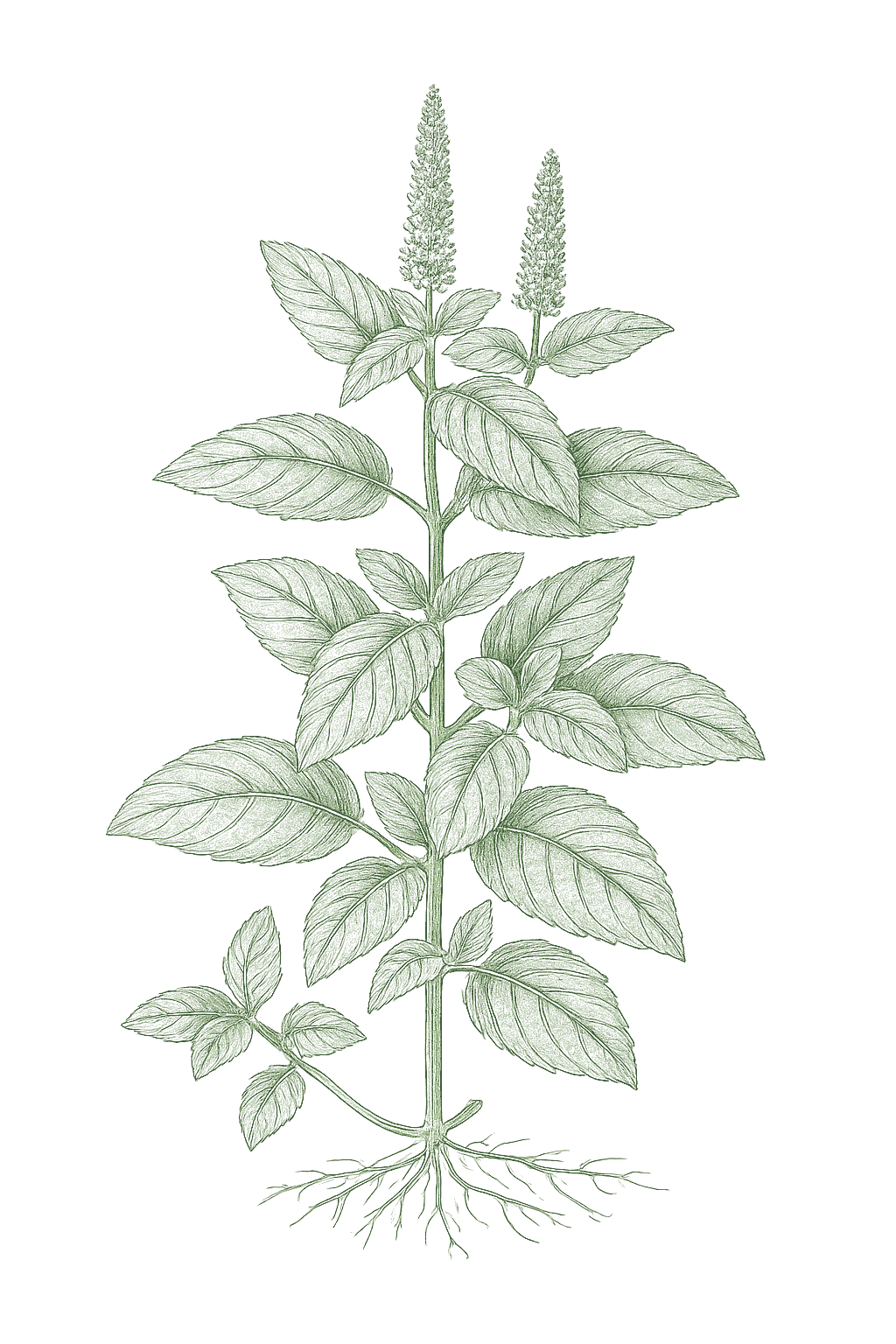
Off-season for mint in zone 8.
In Zone 8, mint can be planted March. Harvest runs April through November.
In Zone 8, mint can be planted March, skipping the summer heat. Harvest runs April through November.
In Zone 8, mint can be planted March through April. Harvest runs June through November.
In Zone 8, mint can be planted April through May. Harvest runs June through November.
In Zone 8, mint can be planted April through May. Harvest runs June through November.
In Zone 8, mint can be planted September through October, skipping the summer heat. Harvest runs October through May.
In Zone 8, mint can be planted September through October, skipping the summer heat. Harvest runs October through May.
In Zone 8, mint can be planted March, skipping the summer heat. Harvest runs April through November.
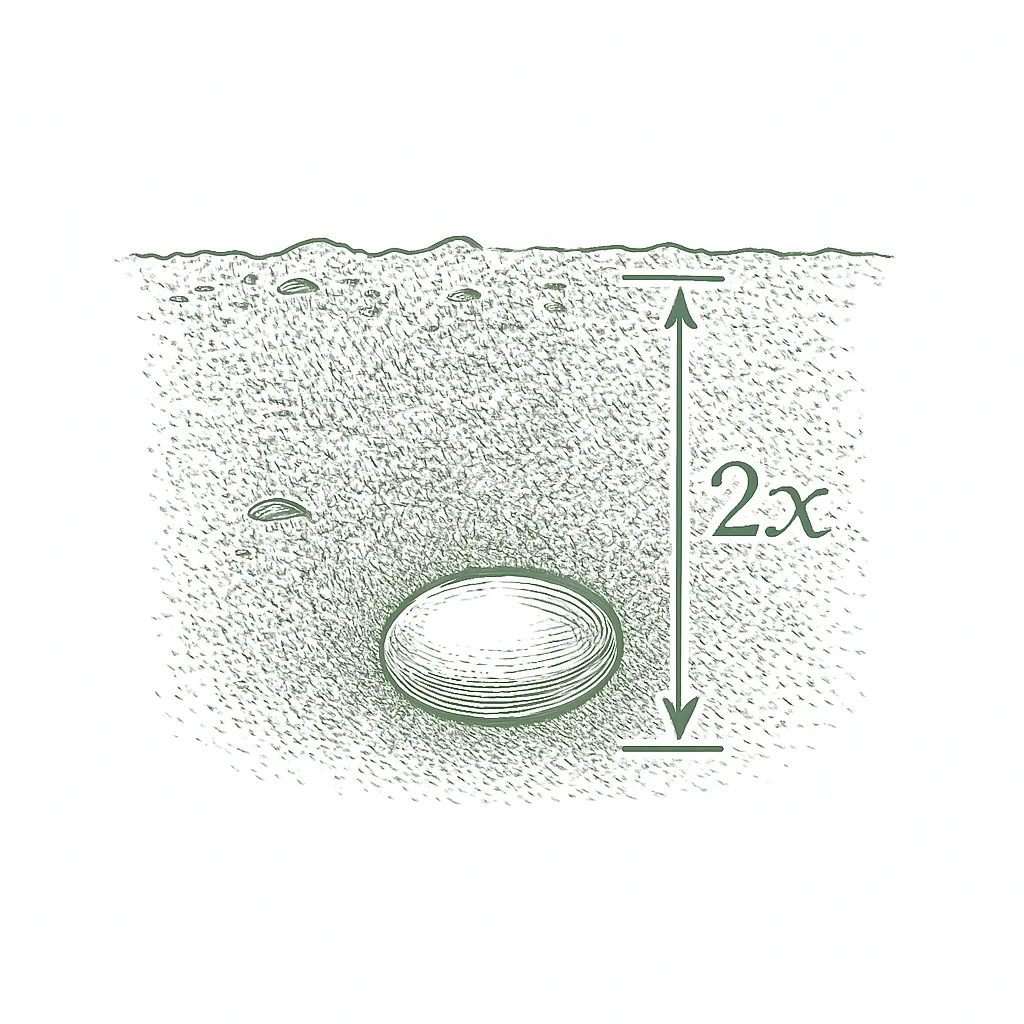
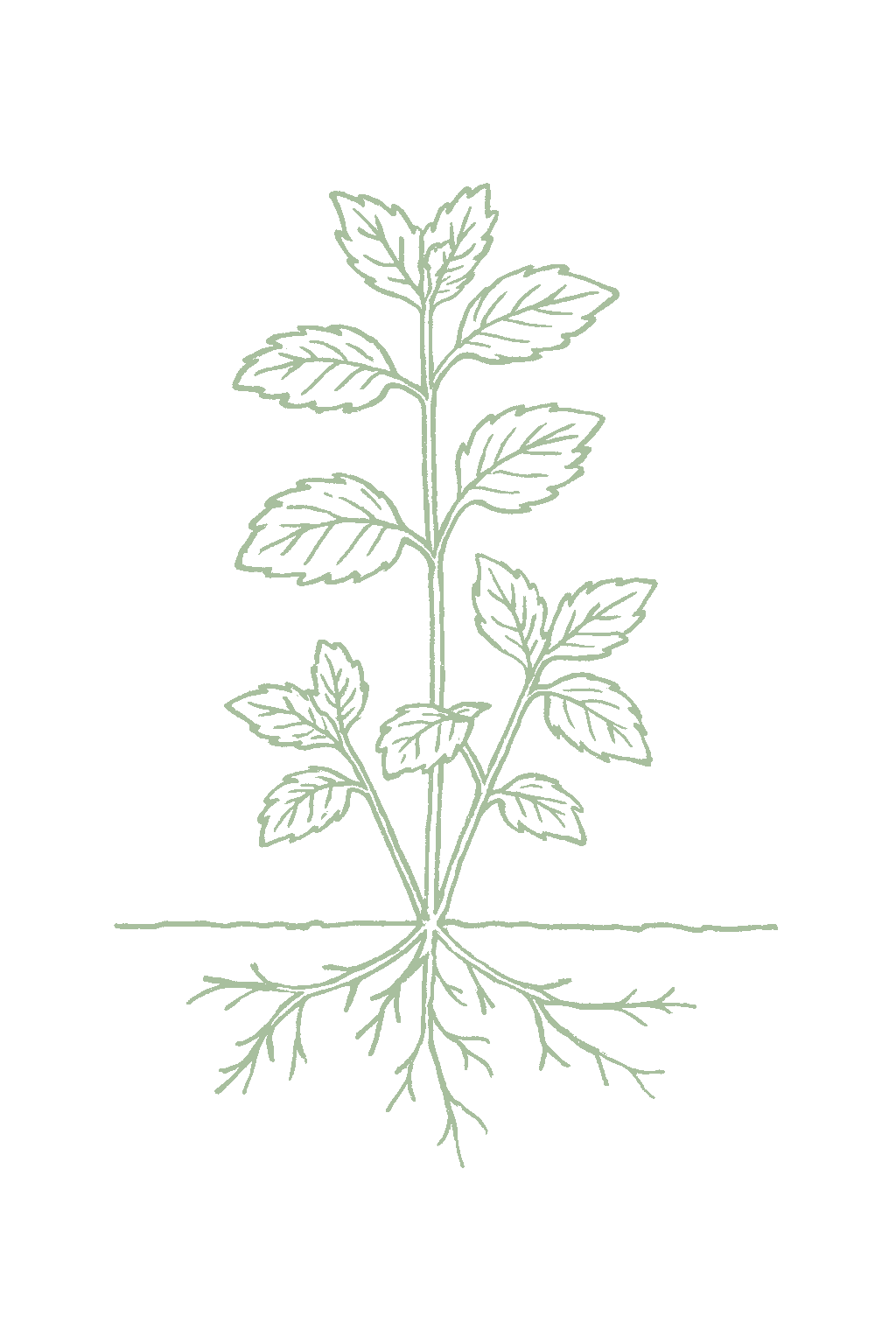
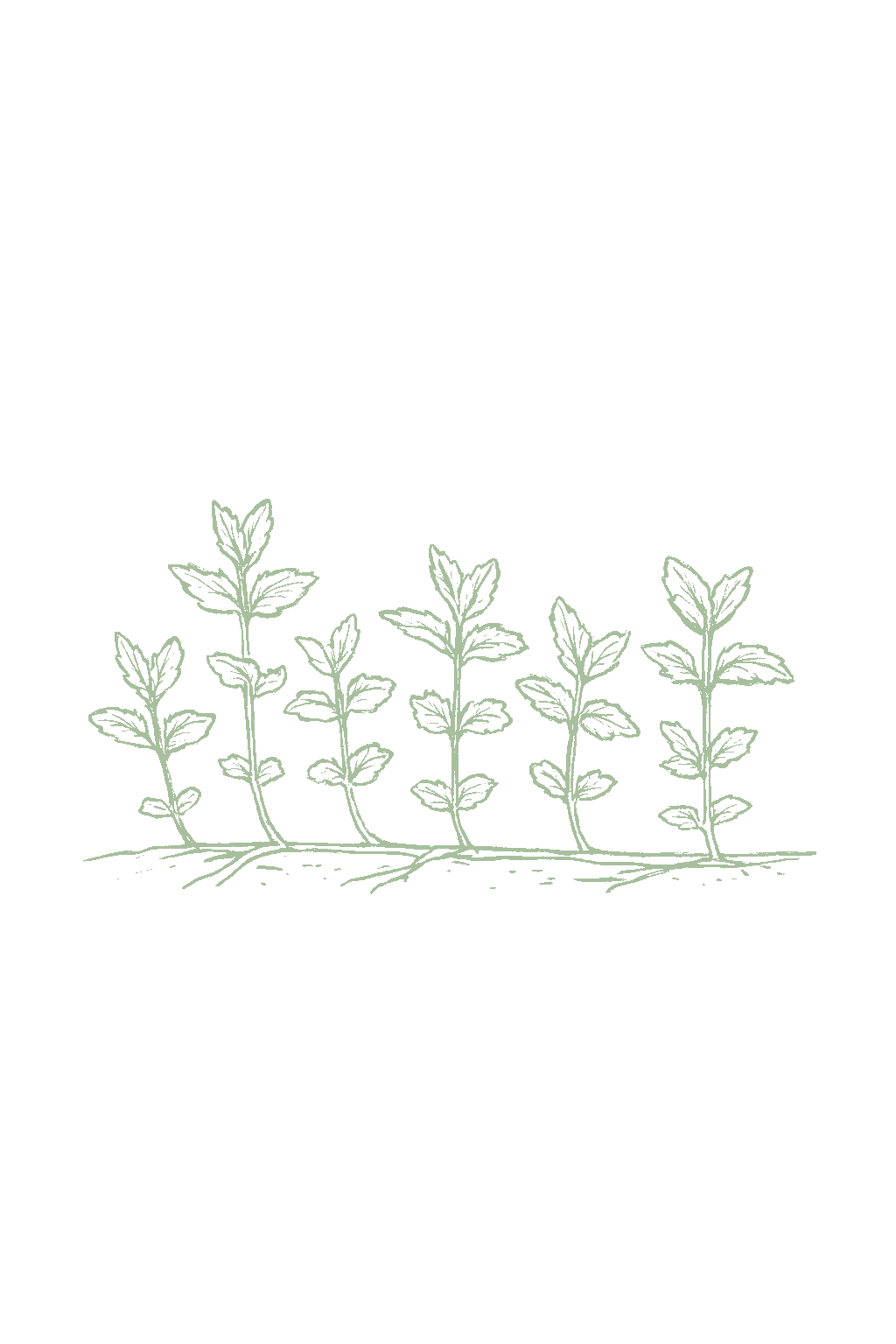
The easy way to start mint is from a small plant, a cutting, or a piece dug from a friend's patch, not from seed (seed-grown mint is a gamble and often tastes of nothing in particular). If you do want to try seed anyway, press the tiny seed onto the surface and do not cover it, since it needs light to sprout, and start it indoors about 6 to 8 weeks before your last frost. Just root a sprig in a glass of water or plant a division in spring. Because mint spreads fast, plant it in a pot or a buried, bottomless container so it cannot run through your whole garden.Start mint from a division, a rooted cutting, or a nursery transplant, not from seed: named mints such as peppermint are hybrids and, as Clemson notes, mint seed does not come true to type, so seedlings are variable. Divide and reset established clumps in early spring (Utah State, Minnesota), or root stem or stolon cuttings in water or moist mix at almost any time in the growing season (Wisconsin, Maryland). Set plants out around the last spring frost; mint is very hardy, so timing is forgiving. Whatever you plant, put it in a sunken bottomless pot or a lined bed, because mint spreads aggressively by runners. If you do start from seed, surface-sow it because the seed needs light to germinate, keep it around 60 to 70°F, and start indoors 6 to 8 weeks before setting out; expect the variable, off-type seedlings noted above.
Not sure what soil you have? Grab a small handful of damp soil from your garden bed and squeeze it. If it crumbles apart easily, it's sandy. If it holds together but breaks when you poke it, it's loam (what most vegetables want). If it stays in a hard, slippery ball, it's clay.
Mint likes rich, moist soil and, unlike most kitchen herbs, it loves damp ground. Give it soil with some compost worked in and keep it evenly moist; it will even grow in part shade and in a low, wet spot where other herbs sulk. What it does not like is dry, sandy ground that dries out fast. Because mint spreads so fast underground, most gardeners plant it in a pot or a buried barrier so it cannot take over the bed.
Mix 2-3 inches of compost into the top 6 inches of your bed before planting. Compost holds moisture (which sandy soil drains too fast) and adds the nutrients sandy soil tends to lack. Repeat each season. Compost breaks down over time.
Mix 2-3 inches of compost AND a few inches of coarse sand or perlite into the top 6 inches of your bed. The compost feeds the plants; the sand breaks up the clay so air and water can move through. Don't add sand without compost. It can compact like concrete.
If amending your soil sounds like too much work, or if your soil is heavy clay, full of rocks, or contaminated, build over it. A raised bed at least 12 inches deep filled with a 50/50 mix of compost and sandy loam gives you ideal growing soil with no battles. A 5-gallon container with quality potting mix does the same for one plant at a time. Both bypass your native soil entirely.
The numbers that matter, at a glance.
Mint grows best in slightly acidic to neutral soil, about 6.0 to 7.0, and it is not fussy. Most garden soil is fine; a simple soil test tells you where you stand.Aim for a soil pH of about 6.0 to 7.0, slightly acidic to neutral. Utah State describes mint as preferring slightly acidic soil, NC State lists it as tolerant across roughly 6.0 to 8.0, and the University of Minnesota's general herb guidance is a well-drained soil near 6.0 to 7.5, so mint is forgiving and rarely needs any pH adjustment beyond a soil-test baseline.
Mint does not need much feeding, and too much makes it flop and lose flavor. Mix a little compost or balanced fertilizer into the soil in spring, then leave it alone. If you grow it in a pot, feed lightly with a diluted liquid fertilizer every few weeks, since watering washes nutrients out.Mint is a light feeder and is easily overfed. Utah State suggests about one teaspoon of a balanced 16-16-16 fertilizer per plant in early spring as growth resumes; a compost-rich bed often needs no more than a light topdressing. Go easy, because rich soil and heavy nitrogen push soft, floppy stems and thin the essential oils that carry mint's flavor and aroma, a point Wisconsin Horticulture makes for mints grown in lean ground. In a container, where frequent watering leaches nutrients, a dilute liquid feed every few weeks through the growing season keeps the leaves green.
Use a balanced fertilizer such as 16-16-16, just a light feeding in spring. Do not overdo it; too much makes mint floppy and bland.A light, balanced feed is all mint wants: about a teaspoon of 16-16-16 per plant in early spring, or a compost topdressing. Avoid heavy nitrogen, which makes the stems floppy and waters down the flavor.
Mint has a real gift and a real hazard as a companion. Its strong scent is said to confuse pests like cabbage moths, aphids, and flea beetles, and when it flowers it draws in bees and helpful insects. The hazard is that mint spreads so aggressively it will smother its neighbors, so the golden rule is to grow it in a pot, even when it is near the plants it helps. Keep it away from chamomile and other quiet herbs it would overrun, and away from your other mints so the flavors stay distinct. Mint's companion value is mostly aromatic and pollinator-based: its volatile oils are traditionally credited with deterring cabbage moths, aphids, ants, and flea beetles, and a flowering patch is a strong nectar source for bees and predatory insects. The overriding practical fact, though, is its aggression, so any interplanting benefit is realized by sinking mint in a container next to the crop rather than letting it loose in the bed. The well-grounded cautions are structural: keep mint out of the open ground near less vigorous herbs (chamomile, and slower perennials) that it will overrun, and keep different mints separated to preserve their distinct flavors and to slow shared rust.
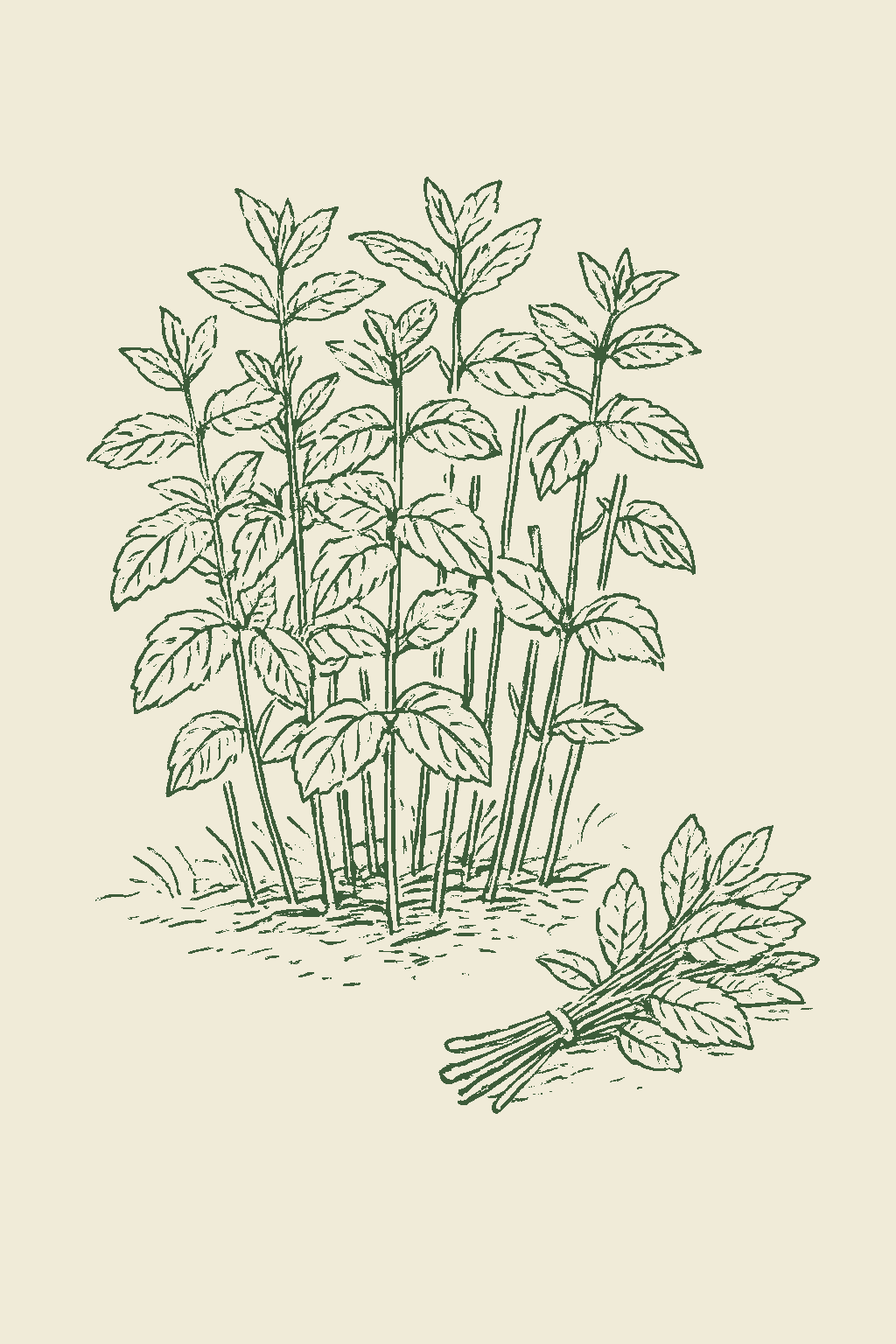
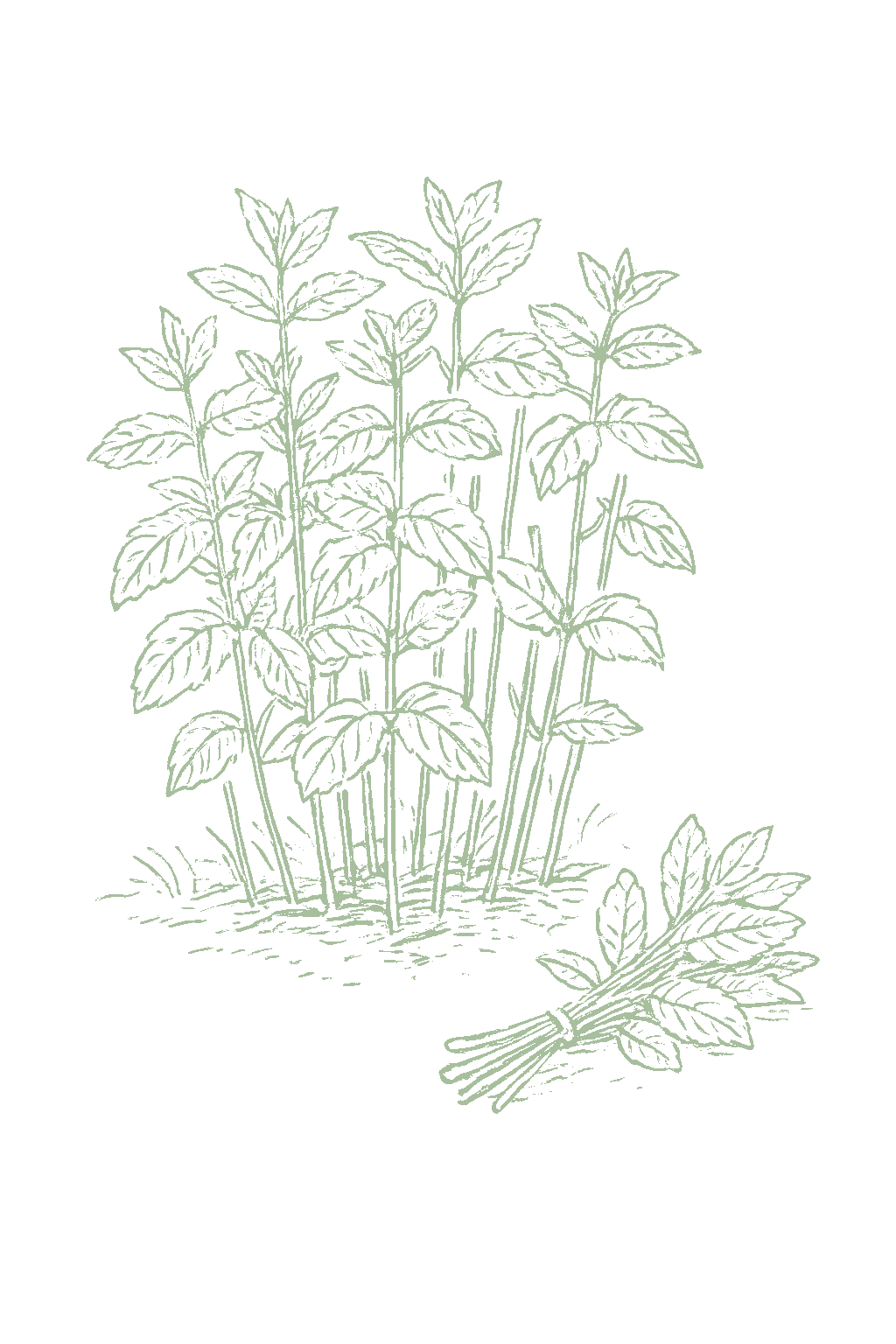
Mint is ready to pick once the plants are a few inches tall and leafy, which happens fast. Snip sprigs whenever you need them, or cut the whole plant back by a third and it grows again. Pick in the cool morning for the best flavor, and cut it before it flowers, since the leaves get tougher once it blooms.Mint is ready to harvest once the plants are several inches tall and full, usually within weeks of establishing. Utah State picks when stems reach 3 to 4 inches and cuts two to three times a season, taking the stems to within about an inch of the soil; for everyday use, take sprigs or cut stems back by up to a third and the plant flushes again in a couple of weeks. Harvest in the cool morning for the best oils, and cut before or during flowering, since the leaves coarsen once it blooms.
One mint plant quickly becomes a whole patch and gives you more than you can use, so one or two plants are plenty. It comes back bigger each year.A single mint plant becomes a spreading patch within a season and, cut repeatedly, yields far more than a household uses; one or two contained plants supply a kitchen. Yield builds year over year as the clump thickens, which is also why division and renewal matter.
Mint produces from spring through fall, and almost all year in mild climates. Keep cutting it and it keeps coming.Production runs from late spring through fall in cold zones and nearly year-round in frost-free ones, dipping only in the hottest arid summers and in winter dormancy. Regular shearing keeps the flushes coming and the leaves tender. Mint is very easy to grow the first year. The only real mistake is not containing it. Plant it in a pot in moist soil, keep it watered, cut it often, and it comes back every year.Mint is one of the easiest crops to succeed with in year one, so easy that the beginner mistake is not failing to grow it but failing to contain it. Plant a division or cutting in moist, part-shade ground inside a barrier, keep it watered, cut it often, and it establishes fast and returns every spring for years.
Pick mint by how it tastes, since they all grow the same. Spearmint is the mild, sweet everyday mint and the easiest; peppermint is stronger and cooler. There are fun flavored kinds too, like chocolate, apple, orange, and mojito mint. Grow any of them from a cutting or a division, not from seed, because seed-grown mint is unpredictable. And whatever you pick, give it a pot so it does not take over.Choose mint by flavor, since culture is nearly identical across the genus. Spearmint (Mentha spicata) is the mild, sweet all-purpose culinary mint and among the hardiest; peppermint (Mentha x piperita) is the stronger, cooler, menthol type and, as a hybrid, must be grown from cuttings or division rather than seed. Flavored selections such as chocolate, orange or bergamot, apple or woolly (and its variegated pineapple mint form), and mojito mint (Mentha x villosa) all grow the same way. Because named mints are hybrids or selections, Clemson notes mint seed does not come true to type, so propagate every one of these from cuttings, divisions, or transplants. Keep different mints apart if you want to preserve distinct flavors, and contain every one of them.
You plant mint once and it stays for years, so there is no yearly rotation. Just start it in clean ground that did not just grow tomatoes, potatoes, or strawberries, and if a patch gets diseased, start fresh plants in a new spot.Mint is a permanent perennial planting rather than a rotated annual, so rotation here is mostly about where you establish or renew a patch. Because verticillium wilt and mint rust persist in soil and rhizomes, site a new planting in clean ground with no recent history of Verticillium hosts (tomato, potato, eggplant, pepper, strawberry) or of a diseased mint stand, and plan to reset the patch in fresh soil every few years if disease or root pests build up. Utah State and commercial mint guidance both treat multi-year renewal as the core disease defense.
The plant app sends a timely reminder at every critical moment of your mint season. The wording adjusts to whichever you pick: beginner or seasoned. Here are three you'll see in Zone 8.
plant sends the right notification at exactly the right moment, for your zone, your weather, your crops. Founding members lock the rate forever.
We're building this guide with real growers. Got a question we missed? Ask here. We read every one and add the best answers right to this page.
Learned something the hard way? Pass it on. Real growers' tips make this guide better for the next person, and we credit you by name when yours goes live.
If you've grown this crop and you see a date, a temperature, a companion claim, or a recommendation that doesn't match your experience, tell us. Real growers' corrections make this guide better for the next person.
Every date, temperature, spacing, and recommendation on this page is sourced from university cooperative extension publications, peer-reviewed agricultural research, NOAA climate data, and direct extension calendars. Where claims are softer (traditional gardening wisdom not formally documented), we say so.
Spot a data point that doesn't match your experience? Submit a correction; accepted corrections earn full author credit on the page.
Zone-aware seasonal nudges, what's worth planting now, and the occasional recipe from the harvest. No spam, ever.