Today · in your zone
What's happening right now
Off-season for spring onion / scallion in zone 6.
Tap to switch. plant calibrates to where you are in the journey.
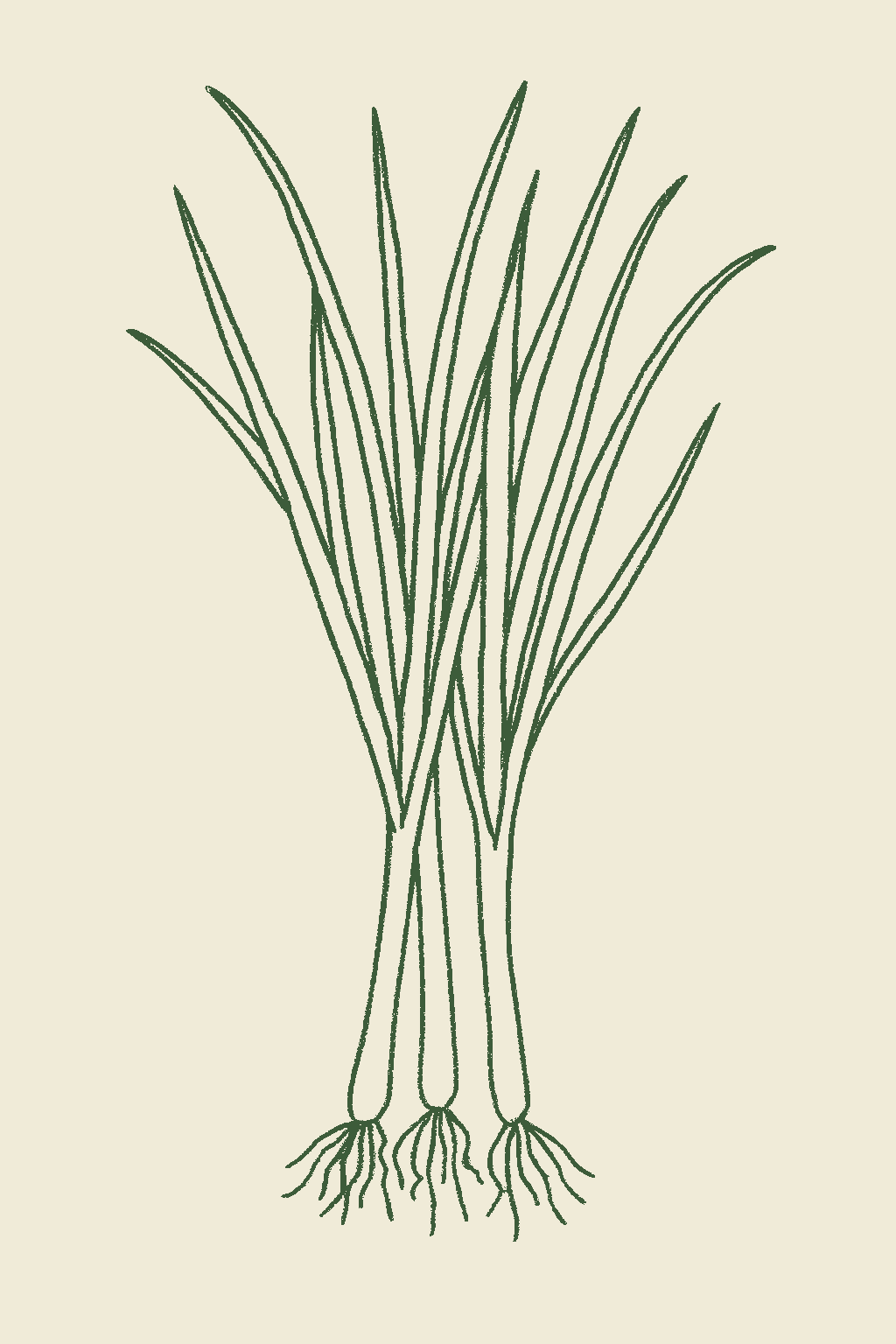
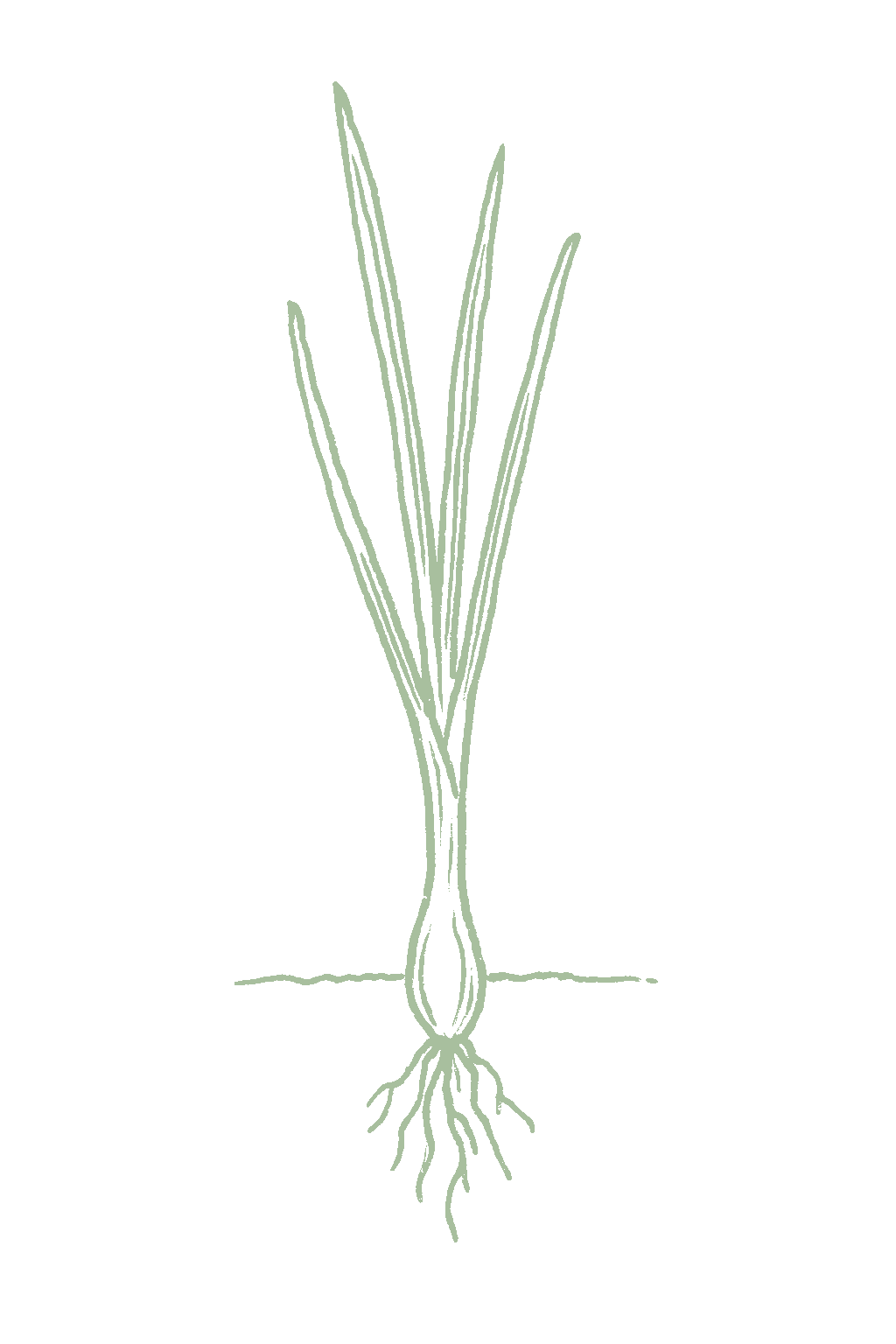
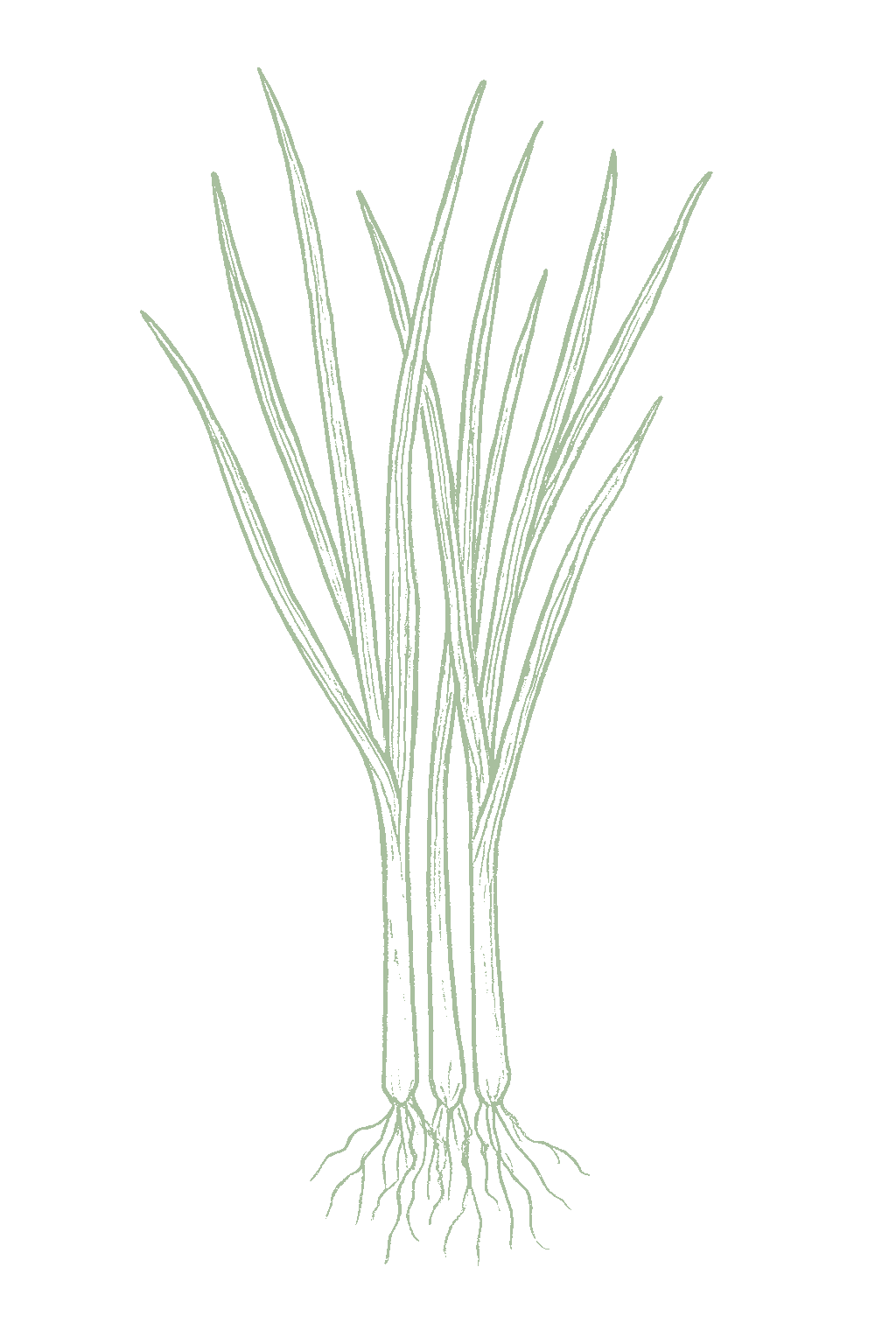
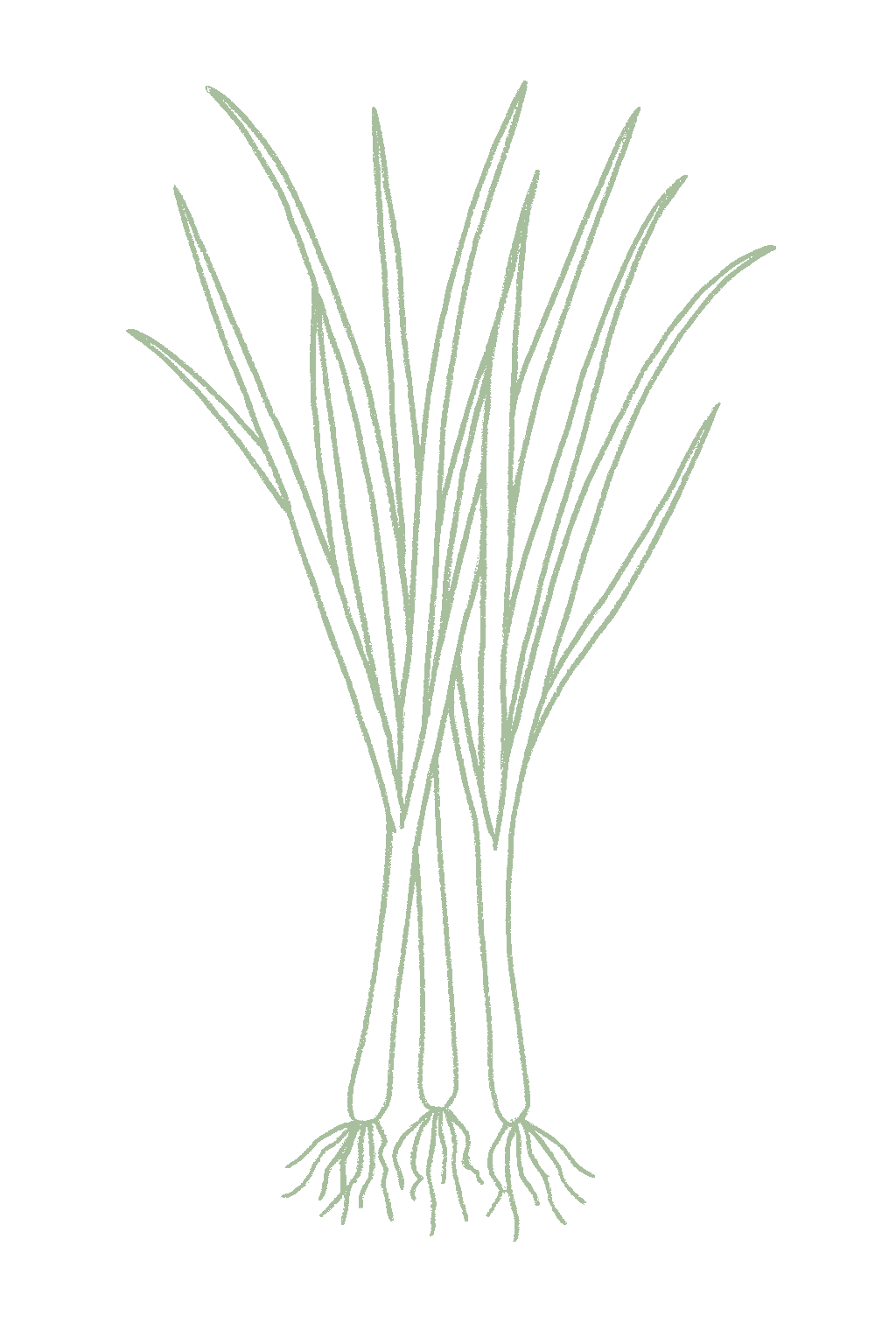
A spring onion, also called a scallion or green onion, is a young onion you eat whole: the long white base and the green tops. You harvest it before it makes a round bulb, so it grows fast and is easy. Some kinds (called bunching onions) never make a bulb at all, and you can also just sow regular onions close together and pull them young as scallions. Plant the seeds shallow, thin the seedlings to about an inch apart, keep the soil damp, and they are usually ready in about 50 to 70 days, when the green tops are 6 to 8 inches tall. They handle cold well, so plant a short row every couple of weeks through the cool season for a steady supply, and nearly year-round where winters are mild. Spring onion, or scallion, is a fast cool-season allium grown for its slender white shank and green tops rather than a mature bulb. It is harvested young, before bulbing, so the day-length trigger that governs bulb onions is irrelevant here: you pull the plant while it is still a straight stem. Two routes give the same kitchen result, true bunching types (Allium fistulosum) that never form a bulb, or regular bulb onions (Allium cepa) sown thickly and pulled at the green stage. Sow seed shallowly, thin to about an inch, keep the soil evenly moist, and harvest in roughly 50 to 70 days when the tops stand 6 to 8 inches. Because the crop is quick and very cold hardy, sow a short row every two to three weeks through the cool season for a steady supply, year-round in mild regions.
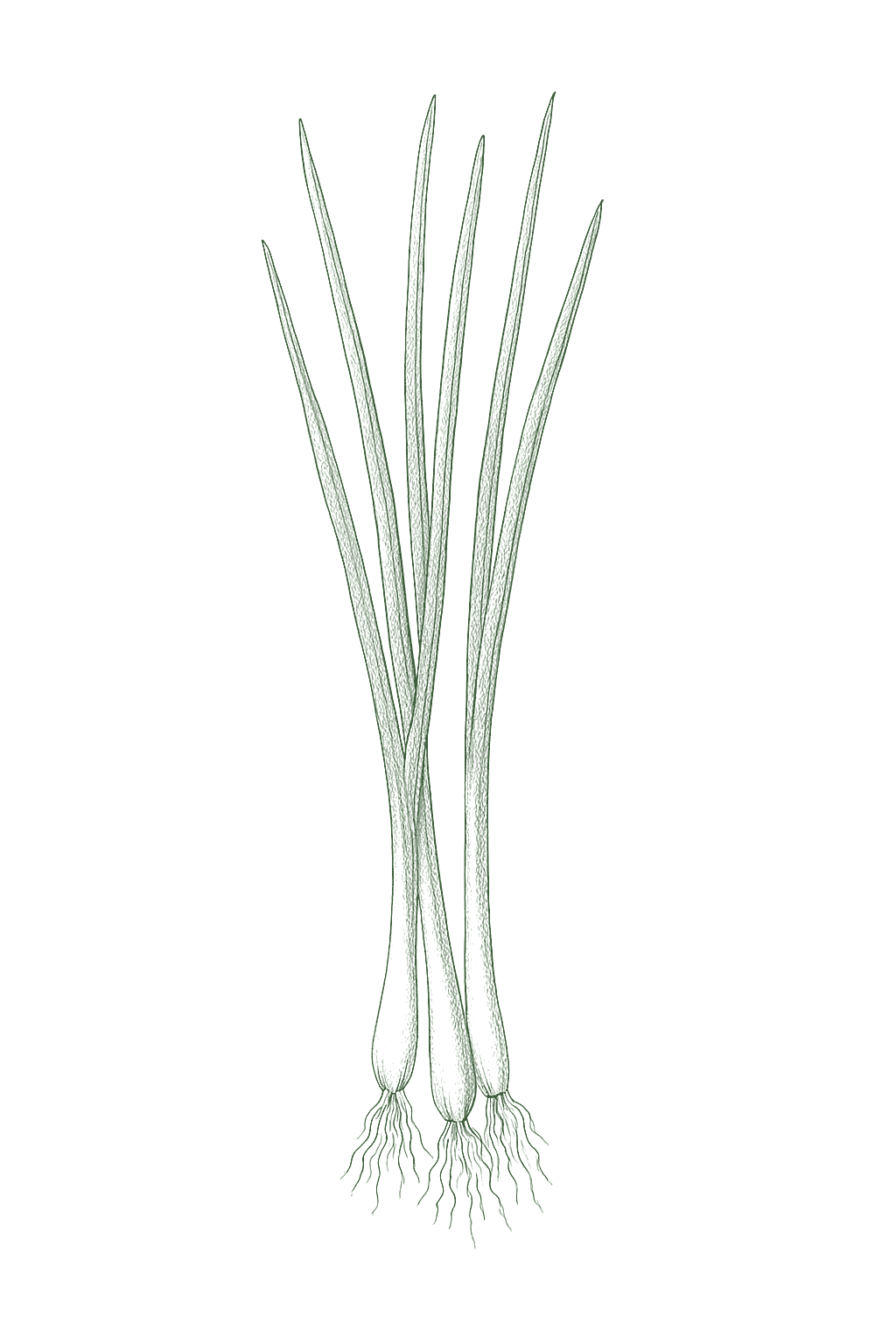
Off-season for spring onion / scallion in zone 6.
In Zone 6, spring onion / scallion can be planted March through September. Harvest runs May through November.
Instead of planting all your scallions at once, sow a short row every couple of weeks. That way they are ready a few at a time over many weeks. In places with cool summers, plant spring through fall. In hot places, grow them fall through spring and skip the summer heat. Where winters are mild, you can plant nearly all year.Scallions are a natural succession crop: sow a short row every two to three weeks through the cool season rather than one big planting, so they mature in sequence and none over-mature. In cool-summer regions that means spring through fall; in hot-summer regions it means fall through spring, skipping peak summer heat; in mild regions it runs nearly year-round. The number of sowings is set by the length of your cool window, not a fixed cap.
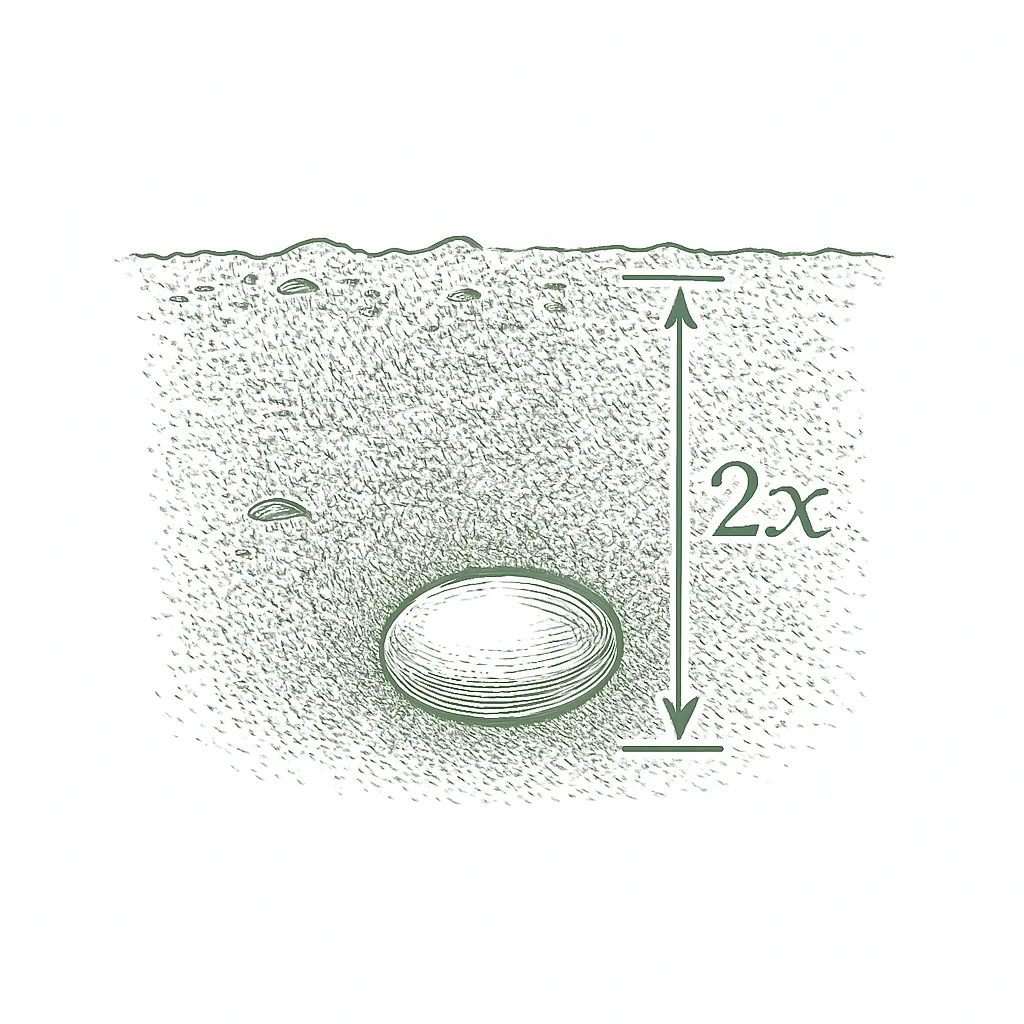
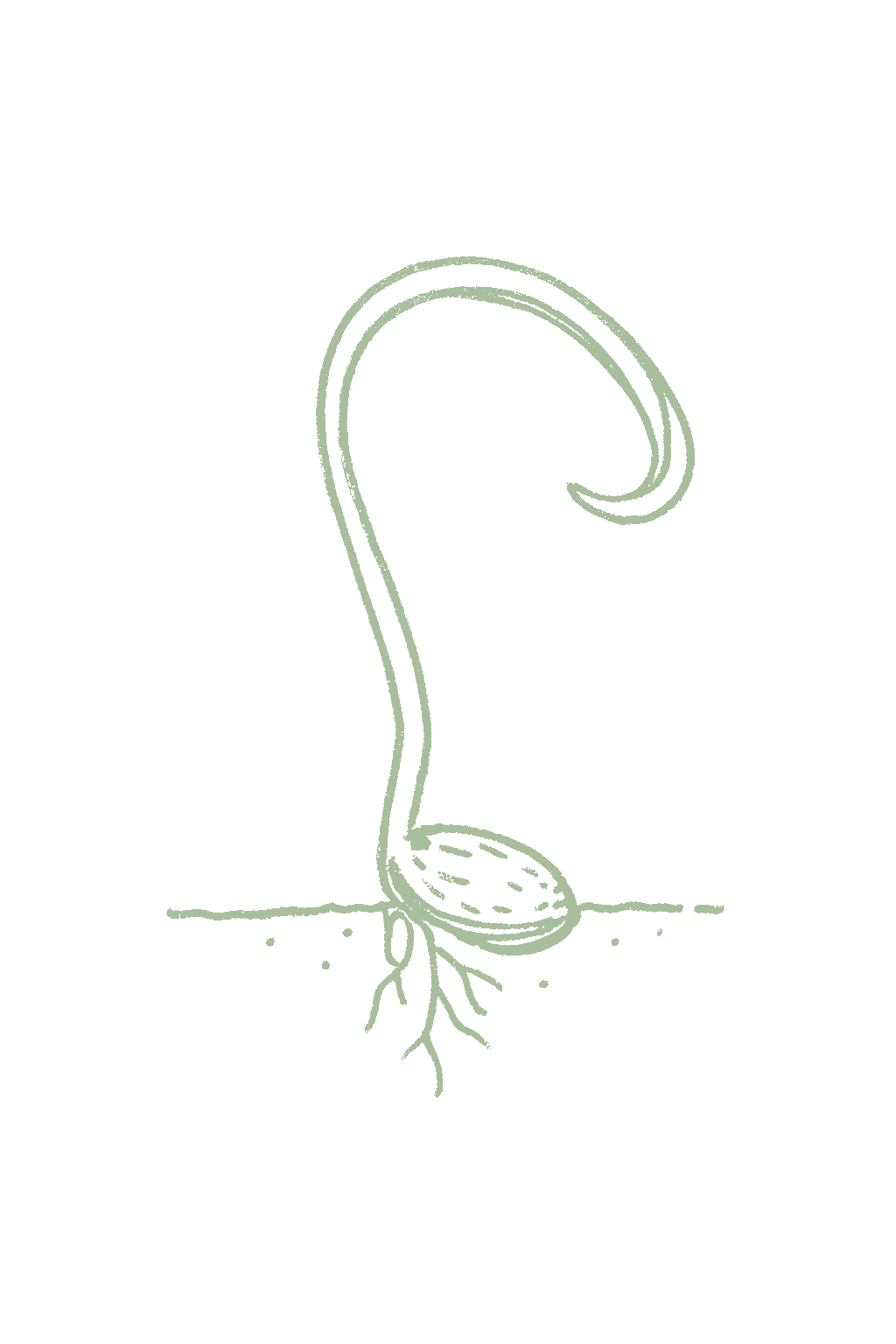
There are three easy ways. The simplest is to sow seed right in the garden, a quarter to a half inch deep, then thin the seedlings to about one per inch. Or start seeds indoors about four weeks before planting out for an earlier harvest, then set the little plants an inch apart. The tidiest way is to multisow: drop a small pinch of about six to ten seeds into each cell, let them grow as a little clump, and plant the whole clump out without splitting it, about four to six inches from the next one. Because you eat scallions in bunches anyway, there is nothing to thin, and you just pull the biggest few from each clump and let the rest keep growing. Bunching kinds can also be split from an existing clump.Three easy routes. Direct-sow seed in a two-inch-wide band, a quarter to a half inch deep, in rows 12 to 18 inches apart, then thin to about one plant per inch (UMN); this is the simplest method and suits succession sowing. Or start seed indoors about four weeks before set-out for an earlier first cutting, transplanting seedlings an inch apart. The tidiest indoor route is to multisow: sow a pinch of about six to ten seeds per cell, grow the cluster on undivided, and set the whole clump out without separating it, spacing clumps four to six inches apart; scallions are pulled as a bunch, so there is no thinning, and you take the biggest from each clump first and let the rest size up (RHS). Bunching types can also be multiplied by dividing established clumps.

Not sure what soil you have? Grab a small handful of damp soil from your garden bed and squeeze it. If it crumbles apart easily, it's sandy. If it holds together but breaks when you poke it, it's loam (what most vegetables want). If it stays in a hard, slippery ball, it's clay.
Scallions like loose, rich, well-drained soil. Mix in compost before you plant. They do not do well in heavy clay or in soil that crusts over, because their roots stay shallow and need air and steady moisture near the surface.
Mix 2-3 inches of compost into the top 6 inches of your bed before planting. Compost holds moisture (which sandy soil drains too fast) and adds the nutrients sandy soil tends to lack. Repeat each season. Compost breaks down over time.
Mix 2-3 inches of compost AND a few inches of coarse sand or perlite into the top 6 inches of your bed. The compost feeds the plants; the sand breaks up the clay so air and water can move through. Don't add sand without compost. It can compact like concrete.
If amending your soil sounds like too much work, or if your soil is heavy clay, full of rocks, or contaminated, build over it. A raised bed at least 12 inches deep filled with a 50/50 mix of compost and sandy loam gives you ideal growing soil with no battles. A 5-gallon container with quality potting mix does the same for one plant at a time. Both bypass your native soil entirely.
The numbers that matter, at a glance.
Scallions like soil close to neutral, about pH 6.0 to 7.0. Clemson lists an ideal of 6.2 to 6.5. They do not like sour (acidic) soil; a simple soil test takes the guesswork out of it.Scallions grow best near neutral, roughly pH 6.0 to 7.0, with Clemson giving an ideal band of 6.2 to 6.5. They tolerate up to about 7.5 and dislike acid soil; confirm with a soil test before adjusting.
Scallions do not need much feeding. Mix some compost or a balanced fertilizer into the soil before you plant, then give a light feeding once or twice while the tops are growing if the soil is poor. Do not overdo the nitrogen, or you get floppy, weak tops.Scallions are light-to-moderate feeders. Unlike bulb onions there is no bulb to size, so feeding aims only at steady, tender leaf growth. Mix a balanced fertilizer into the bed before sowing, around 9 pounds of 10-10-10 per 1,000 square feet per Clemson, and side-dress lightly once or twice during leaf growth if the soil is lean. Avoid heavy nitrogen, which makes floppy, disease-prone tops.
Mix a balanced fertilizer into the soil before planting; feed lightly later only if the plants look pale or slow.A balanced feed worked in before planting carries scallions through; side-dress lightly only if growth stalls.
Scallions are good neighbors for carrots, beets, lettuce, and cabbage-family plants, mostly because their strong smell is thought to keep some pests away, and they are small enough to slip between other crops. The main thing to avoid is planting them next to beans or peas, since onions can slow those down. These are helpful traditions, not sure things, so do not worry if your garden does a little differently. Scallions earn their companion reputation mostly through their allium scent, traditionally credited with deterring aphids and the carrot rust fly, so they pair well with carrots, beets, lettuce, and brassicas, and tuck neatly between slower crops. The one firm caution is the legume conflict: alliums are widely held to inhibit beans and peas, so keep scallions away from them. Most of these claims are traditional rather than trial-proven; treat them as low-risk suggestions, not guarantees.
Your scallions are ready when the green tops are about 6 to 8 inches tall and the white bottom is roughly as thick as a pencil. Do not wait for a round bulb to form, pull them while the base is still straight. Lift the whole plant, or with bunching types snip the tops about an inch above the soil and let them grow back. Smaller ones taste milder, bigger ones are a little stronger.Pull scallions once the green tops reach about 6 to 8 inches and the white shank is roughly pencil thick. There is no need to wait for a bulb: harvest at the straight-stem stage, before the base swells. Lift the whole plant, or cut bunching types about an inch above the crown and let them regrow. Younger is milder, so harvest on the small side for salads and a bit larger for cooking.
Each regular onion plant gives one scallion when pulled young, while bunching kinds grow back after you cut them, so you keep harvesting from the same clump.One scallion per plant for bulb-onion types pulled young; bunching types regrow after cutting for repeat harvests. A densely sown foot of row yields a generous handful.
If you sow a little at a time, you get scallions steadily for weeks instead of all at once, and bunching clumps keep producing.With succession sowing the harvest is continuous through the cool season rather than a single flush; bunching clumps deliver over many weeks. The two things that matter most for good scallions are thinning them to about an inch apart and keeping the soil evenly moist.Thinning to about an inch and keeping steady moisture are the biggest levers on tender, pencil-thick shanks in the first crop.
There are two kinds. Bunching onions like Evergreen Hardy White or Tokyo Long White never make a bulb, grow back after cutting, and many survive winter, so they are great for a patch you keep cutting. Regular onions like White Lisbon, sown close together and pulled young, give a fast scallion but you pull the whole plant once. Either works for the kitchen.Choose between two habits. True bunching types (Allium fistulosum) such as Evergreen Hardy White, Tokyo Long White, Beltsville Bunching, and Parade never form a bulb and many are perennial and very cold hardy, ideal for cut-and-come-again clumps. Regular bulb onions sown thickly and pulled young, such as White Lisbon, give a quick straight scallion but are pulled once, not divided. Clemson names Beltsville Bunching and Evergreen Bunching among types bred specifically for green-onion use.
Scallions do well planted after leafy greens or beans and peas. Just do not plant beans or peas right next to scallions, since onions can slow those down.Scallions follow well after a leafy or legume crop and pair poorly before beans and peas, which alliums tend to inhibit.
The plant app sends a timely reminder at every critical moment of your spring onion / scallion season. The wording adjusts to whichever you pick: beginner or seasoned. Here are three you'll see in Zone 6.
plant sends the right notification at exactly the right moment, for your zone, your weather, your crops. Founding members lock the rate forever.
We're building this guide with real growers. Got a question we missed? Ask here. We read every one and add the best answers right to this page.
Learned something the hard way? Pass it on. Real growers' tips make this guide better for the next person, and we credit you by name when yours goes live.
If you've grown this crop and you see a date, a temperature, a companion claim, or a recommendation that doesn't match your experience, tell us. Real growers' corrections make this guide better for the next person.
Every date, temperature, spacing, and recommendation on this page is sourced from university cooperative extension publications, peer-reviewed agricultural research, NOAA climate data, and direct extension calendars. Where claims are softer (traditional gardening wisdom not formally documented), we say so.
Spot a data point that doesn't match your experience? Submit a correction; accepted corrections earn full author credit on the page.
Zone-aware seasonal nudges, what's worth planting now, and the occasional recipe from the harvest. No spam, ever.