Today · in your zone
What's happening right now
Off-season for zucchini / courgette in zone 9.
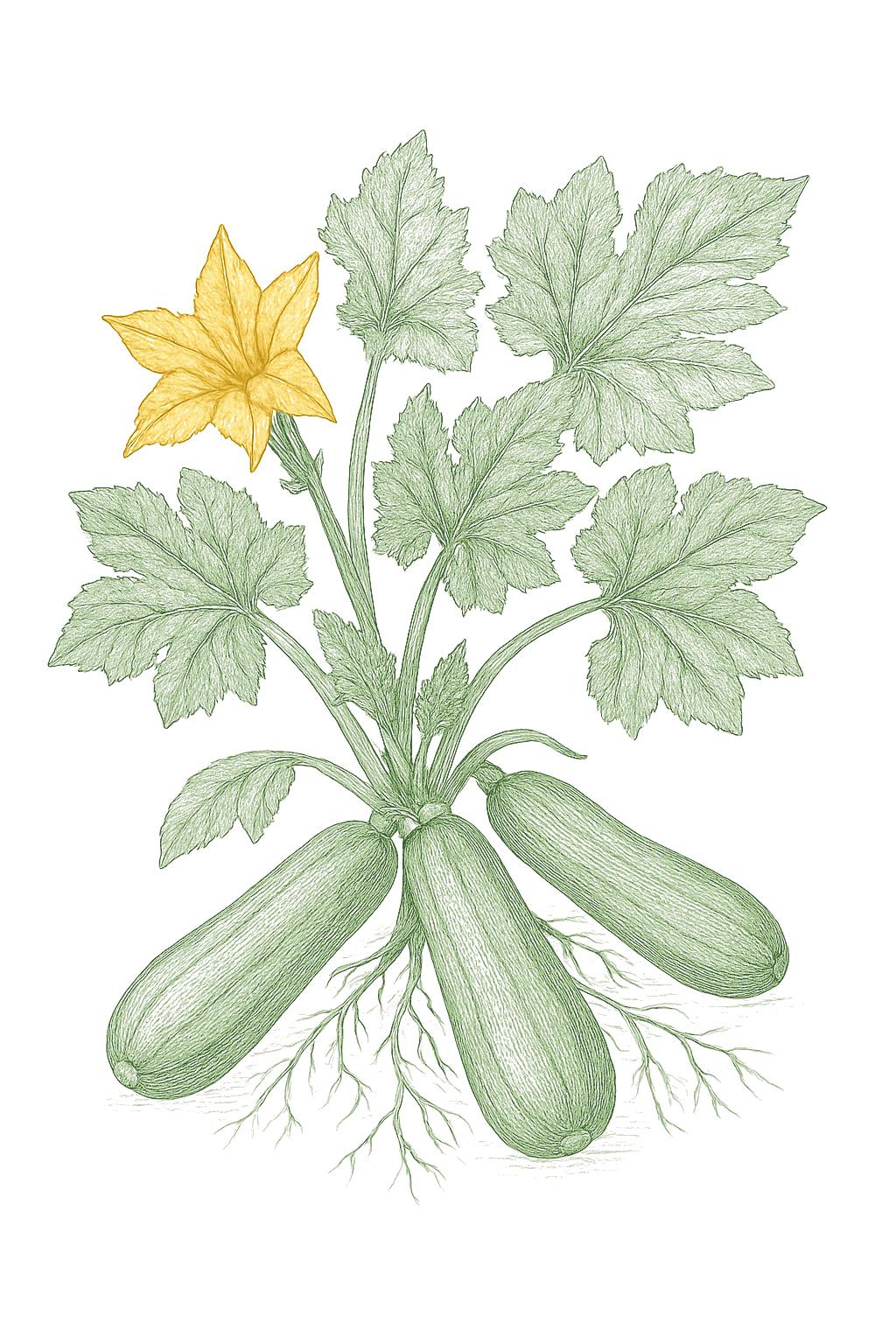
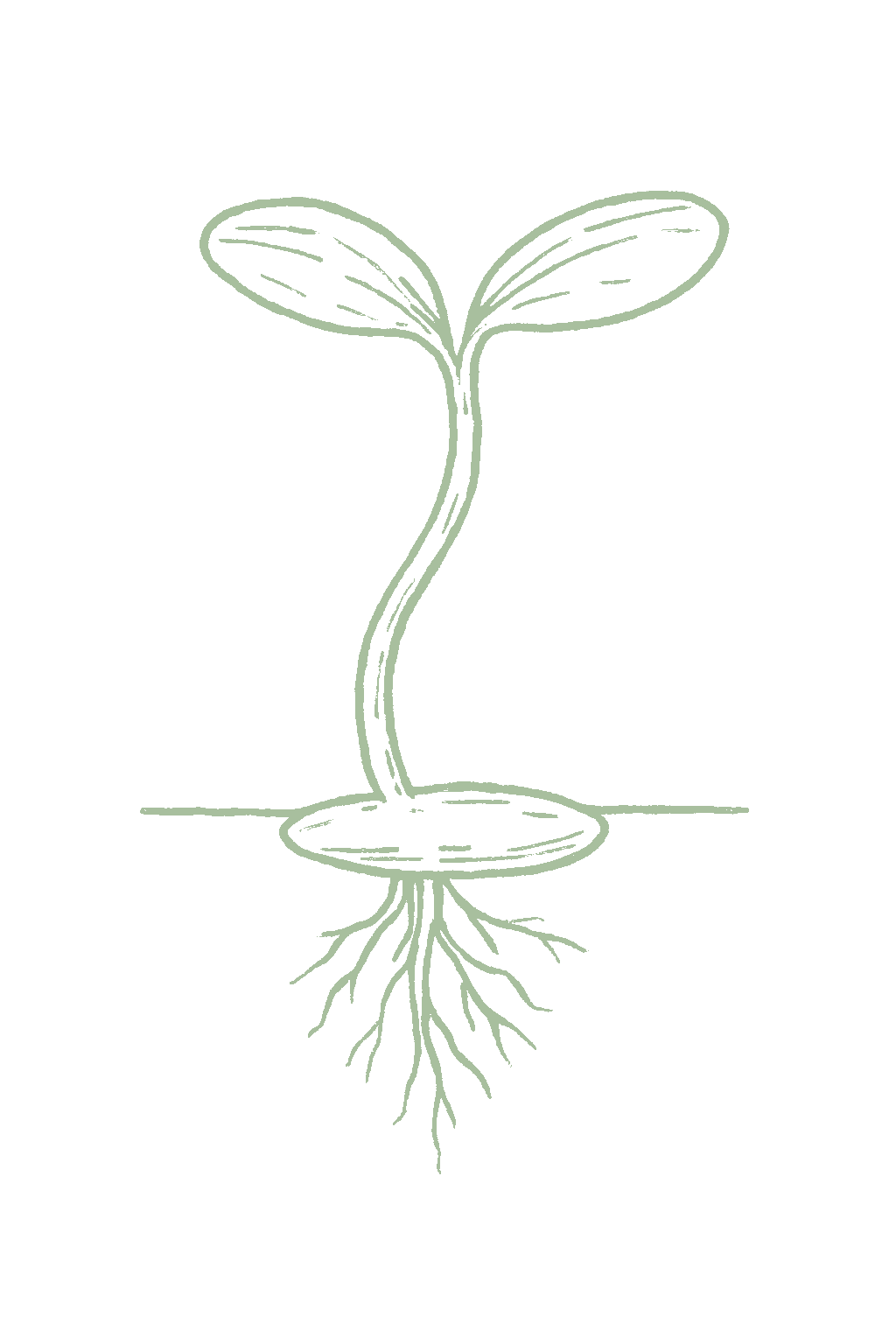
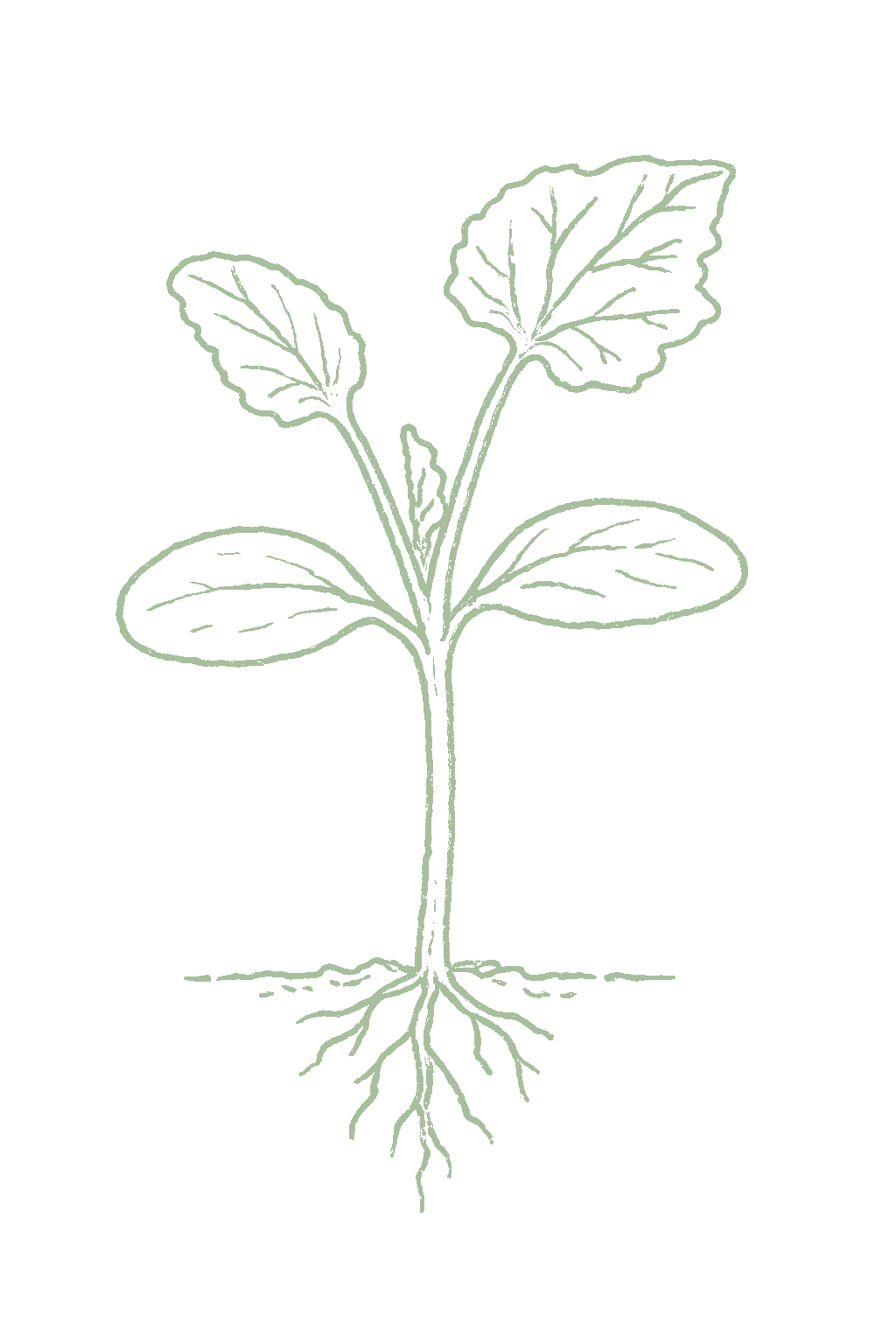
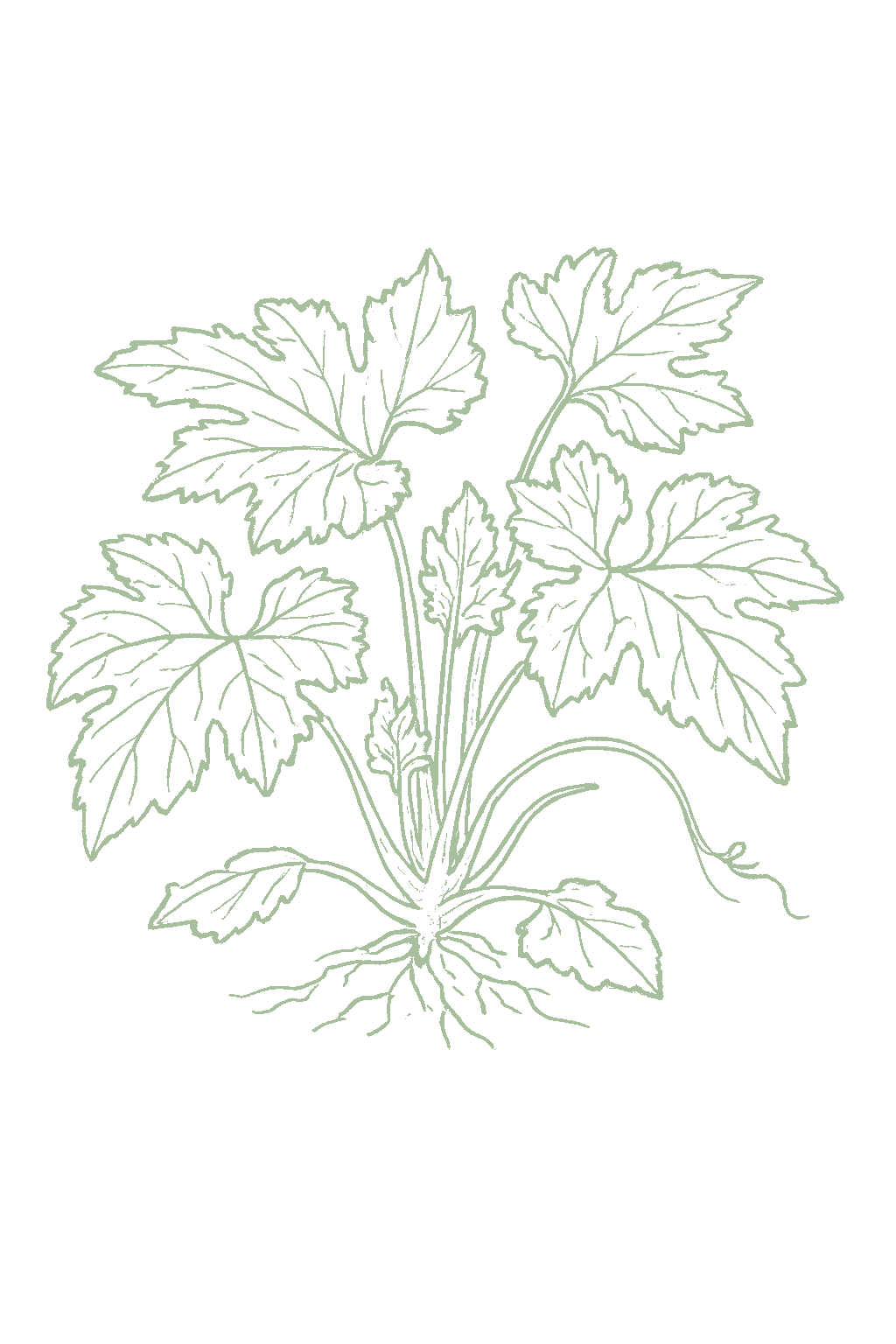
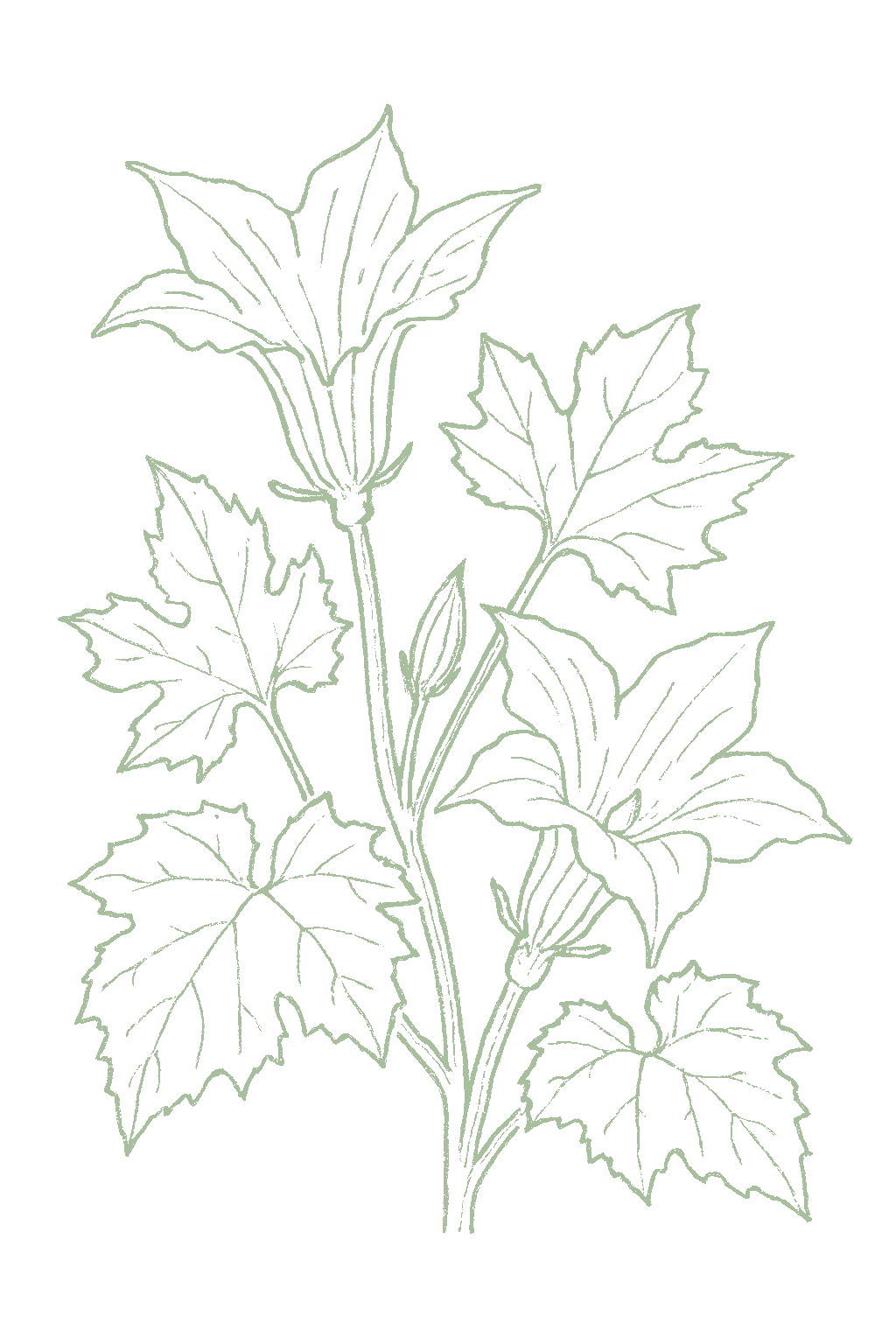
Zucchini is one of the easiest and most productive vegetables you can grow. It is a bushy summer squash that grows fast from seed and gives you tender squash all summer. One or two plants are usually plenty for a household. Each plant makes both male and female flowers, so you only need one plant to get fruit, and bees do the rest. The main things to know: pick the squash while it is still small and glossy, check the plants every day or two at peak, and keep an eye out for pests later in the season. Zucchini is a warm-season summer squash grown for its tender, immature fruit, harvested young before the skin hardens and the seeds mature. Plants are bushy rather than vining, fast from seed, and famously productive: a single plant in good soil can outpace a household at peak. It is monoecious, carrying separate male and female flowers on the same plant, so one plant sets fruit on its own with insect pollination. The two beats that shape a season are pests and pace. Squash vine borer and powdery mildew commonly take down a first planting by midsummer, which is why a second sowing pays off, and fruit sizes up so fast that picking every day or two at peak is the difference between tender squash and baseball-bat marrows.
Off-season for zucchini / courgette in zone 9.
Zone 9 averages a last frost around March 1. Within Zone 9, the colder half (9a, winters down to 20°F) runs about a week later. The warmer half (9b, winters down to 25°F) runs about a week earlier. The plant app picks your subzone from your ZIP.
| Subzone | Last spring | First fall | Growing days | Winter min | Fruits reliably |
|---|---|---|---|---|---|
| 9a | Mar 8 | Nov 24 | ~261 | 20-25°F | Yes · two seasons |
| 9b | Feb 28 | Nov 30 | ~275 | 25-30°F | Yes · two seasons |
Averages from 8 weather stations per subzone, drawn from NOAA 1991-2020 Climate Normals. Your actual frost date can vary by up to two weeks based on elevation, proximity to water, and local topography.
In Zone 9, zucchini / courgette can be planted March through July. Start indoors Feb 15 - Mar 15. Harvest runs May through November.
You rarely need more than one or two zucchini plants at a time, and a single planting can feed you for weeks. For a steadier supply, sow a few seeds now and a few more about three weeks later. A second planting in summer is a smart backup, since pests and disease often wear out the first plants by late summer.Zucchini is famous for overwhelming a garden, so resist sowing the whole crop at once. A first sowing after your last frost, then a second about three weeks later, spreads the harvest and keeps vigorous plants coming as the originals tire. The real payoff is late season: squash vine borer and powdery mildew often take down the first planting by midsummer, so a replacement sown in early to midsummer, counting back from your first fall frost so it has time to mature, frequently outproduces the spring crop on cleaner, less stressed plants.
In Zone 9, zucchini / courgette can be planted February through June, then again August through September, skipping the summer heat. Harvest runs April through November.
You rarely need more than one or two zucchini plants at a time, and a single planting can feed you for weeks. For a steadier supply, sow a few seeds now and a few more about three weeks later. A second planting in summer is a smart backup, since pests and disease often wear out the first plants by late summer.Zucchini is famous for overwhelming a garden, so resist sowing the whole crop at once. A first sowing after your last frost, then a second about three weeks later, spreads the harvest and keeps vigorous plants coming as the originals tire. The real payoff is late season: squash vine borer and powdery mildew often take down the first planting by midsummer, so a replacement sown in early to midsummer, counting back from your first fall frost so it has time to mature, frequently outproduces the spring crop on cleaner, less stressed plants.
In Zone 9, zucchini / courgette can be planted February through June, then again September, skipping the summer heat. Harvest runs April through December.
You rarely need more than one or two zucchini plants at a time, and a single planting can feed you for weeks. For a steadier supply, sow a few seeds now and a few more about three weeks later. A second planting in summer is a smart backup, since pests and disease often wear out the first plants by late summer.Zucchini is famous for overwhelming a garden, so resist sowing the whole crop at once. A first sowing after your last frost, then a second about three weeks later, spreads the harvest and keeps vigorous plants coming as the originals tire. The real payoff is late season: squash vine borer and powdery mildew often take down the first planting by midsummer, so a replacement sown in early to midsummer, counting back from your first fall frost so it has time to mature, frequently outproduces the spring crop on cleaner, less stressed plants.
In Zone 9, zucchini / courgette can be planted May through July. Start indoors Mar 1 - Apr 1. Harvest runs June through November.
You rarely need more than one or two zucchini plants at a time, and a single planting can feed you for weeks. For a steadier supply, sow a few seeds now and a few more about three weeks later. A second planting in summer is a smart backup, since pests and disease often wear out the first plants by late summer.Zucchini is famous for overwhelming a garden, so resist sowing the whole crop at once. A first sowing after your last frost, then a second about three weeks later, spreads the harvest and keeps vigorous plants coming as the originals tire. The real payoff is late season: squash vine borer and powdery mildew often take down the first planting by midsummer, so a replacement sown in early to midsummer, counting back from your first fall frost so it has time to mature, frequently outproduces the spring crop on cleaner, less stressed plants.
In Zone 9, zucchini / courgette can be planted April through July. Start indoors Mar 1 - Apr 1. Harvest runs June through November.
You rarely need more than one or two zucchini plants at a time, and a single planting can feed you for weeks. For a steadier supply, sow a few seeds now and a few more about three weeks later. A second planting in summer is a smart backup, since pests and disease often wear out the first plants by late summer.Zucchini is famous for overwhelming a garden, so resist sowing the whole crop at once. A first sowing after your last frost, then a second about three weeks later, spreads the harvest and keeps vigorous plants coming as the originals tire. The real payoff is late season: squash vine borer and powdery mildew often take down the first planting by midsummer, so a replacement sown in early to midsummer, counting back from your first fall frost so it has time to mature, frequently outproduces the spring crop on cleaner, less stressed plants.
In Zone 9, zucchini / courgette can be planted May. Start indoors Apr 3 - Apr 17. Harvest runs July through October.
You rarely need more than one or two zucchini plants at a time, and a single planting can feed you for weeks. For a steadier supply, sow a few seeds now and a few more about three weeks later. A second planting in summer is a smart backup, since pests and disease often wear out the first plants by late summer.Zucchini is famous for overwhelming a garden, so resist sowing the whole crop at once. A first sowing after your last frost, then a second about three weeks later, spreads the harvest and keeps vigorous plants coming as the originals tire. The real payoff is late season: squash vine borer and powdery mildew often take down the first planting by midsummer, so a replacement sown in early to midsummer, counting back from your first fall frost so it has time to mature, frequently outproduces the spring crop on cleaner, less stressed plants.
In Zone 9, zucchini / courgette can be planted March through April, then again August, skipping the summer heat. Harvest runs May through June.
You rarely need more than one or two zucchini plants at a time, and a single planting can feed you for weeks. For a steadier supply, sow a few seeds now and a few more about three weeks later. A second planting in summer is a smart backup, since pests and disease often wear out the first plants by late summer.Zucchini is famous for overwhelming a garden, so resist sowing the whole crop at once. A first sowing after your last frost, then a second about three weeks later, spreads the harvest and keeps vigorous plants coming as the originals tire. The real payoff is late season: squash vine borer and powdery mildew often take down the first planting by midsummer, so a replacement sown in early to midsummer, counting back from your first fall frost so it has time to mature, frequently outproduces the spring crop on cleaner, less stressed plants.
In Zone 9, zucchini / courgette can be planted February through June, then again August through September, skipping the summer heat. Start indoors Jan 24 - Mar 25. Harvest runs March through November.
You rarely need more than one or two zucchini plants at a time, and a single planting can feed you for weeks. For a steadier supply, sow a few seeds now and a few more about three weeks later. A second planting in summer is a smart backup, since pests and disease often wear out the first plants by late summer.Zucchini is famous for overwhelming a garden, so resist sowing the whole crop at once. A first sowing after your last frost, then a second about three weeks later, spreads the harvest and keeps vigorous plants coming as the originals tire. The real payoff is late season: squash vine borer and powdery mildew often take down the first planting by midsummer, so a replacement sown in early to midsummer, counting back from your first fall frost so it has time to mature, frequently outproduces the spring crop on cleaner, less stressed plants.
In Zone 9, zucchini / courgette can be planted March through June, then again August through September, skipping the summer heat. Start indoors Feb 15 - Mar 8. Harvest runs May through November.
You rarely need more than one or two zucchini plants at a time, and a single planting can feed you for weeks. For a steadier supply, sow a few seeds now and a few more about three weeks later. A second planting in summer is a smart backup, since pests and disease often wear out the first plants by late summer.Zucchini is famous for overwhelming a garden, so resist sowing the whole crop at once. A first sowing after your last frost, then a second about three weeks later, spreads the harvest and keeps vigorous plants coming as the originals tire. The real payoff is late season: squash vine borer and powdery mildew often take down the first planting by midsummer, so a replacement sown in early to midsummer, counting back from your first fall frost so it has time to mature, frequently outproduces the spring crop on cleaner, less stressed plants.
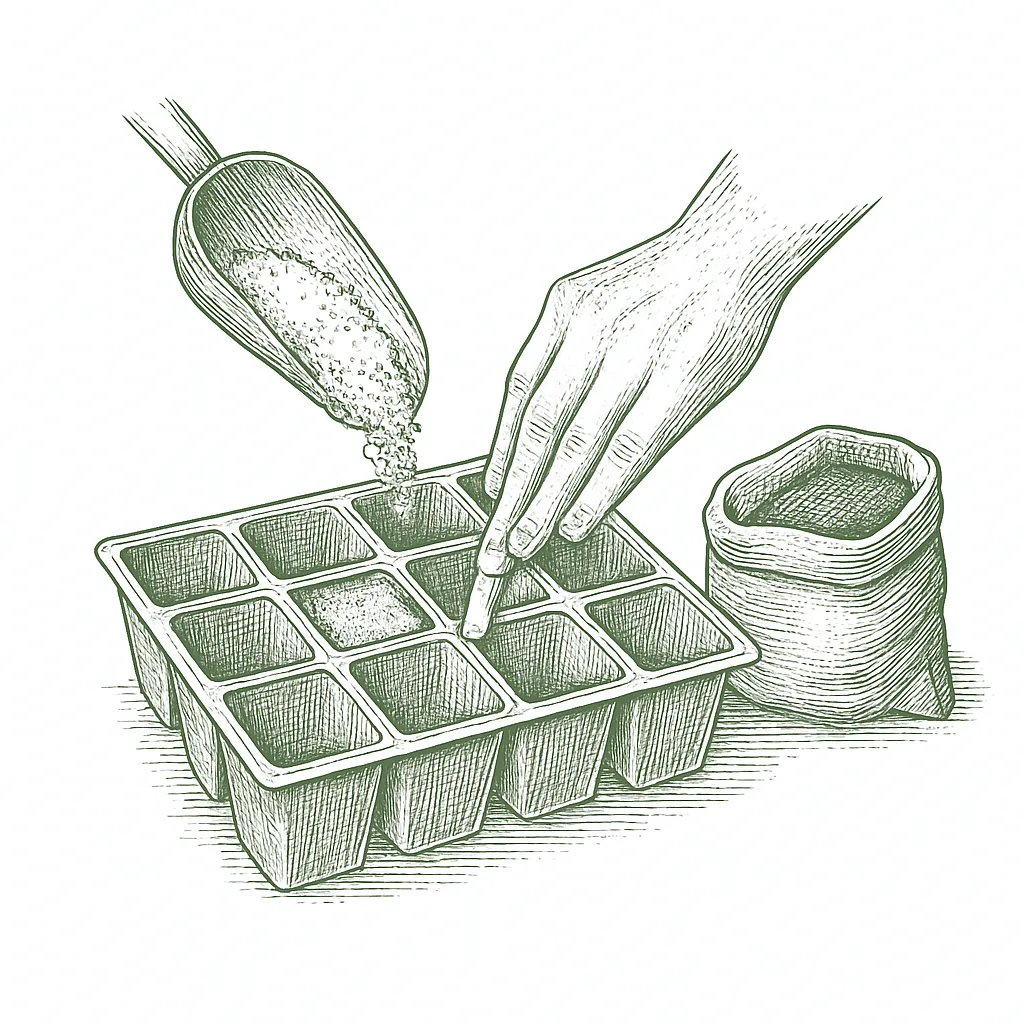
The easiest way to grow zucchini is to sow seeds right where they will grow, once the soil is warm (about 70°F). Squash grows fast and does not transplant happily, so direct sowing usually works best. Start seeds indoors only if your season is short, and move them outside while they are still small.Because squash resents root disturbance, direct sowing once the soil warms past 60°F, ideally 70°F, is the simplest and most reliable method, and direct-sown plants quickly catch up to transplants. Start seeds indoors only to gain two to three weeks in a short season, using larger cells (3 inch or bigger) and setting plants out before the roots circle the pot.






Not sure what soil you have? Grab a small handful of damp soil from your garden bed and squeeze it. If it crumbles apart easily, it's sandy. If it holds together but breaks when you poke it, it's loam (what most vegetables want). If it stays in a hard, slippery ball, it's clay.
Plant zucchini in rich, well-drained soil. Mix a few inches of compost into the bed before you plant, and use raised beds or low mounds if your soil is heavy or stays wet. Good drainage plus plenty of compost gives you healthy, productive plants.
Mix 2-3 inches of compost into the top 6 inches of your bed before planting. Compost holds moisture (which sandy soil drains too fast) and adds the nutrients sandy soil tends to lack. Repeat each season. Compost breaks down over time.
Mix 2-3 inches of compost AND a few inches of coarse sand or perlite into the top 6 inches of your bed. The compost feeds the plants; the sand breaks up the clay so air and water can move through. Don't add sand without compost. It can compact like concrete.
If amending your soil sounds like too much work, or if your soil is heavy clay, full of rocks, or contaminated, build over it. A raised bed at least 12 inches deep filled with a 50/50 mix of compost and sandy loam gives you ideal growing soil with no battles. A 5-gallon container with quality potting mix does the same for one plant at a time. Both bypass your native soil entirely.
The numbers that matter, at a glance.
You can grow zucchini in a container, but it needs a big pot, at least 10 gallons and 12 inches deep, and a compact variety works best. Put it in full sun, keep it well watered (pots dry out fast), and feed it regularly. Water the soil, not the leaves, to help avoid mildew.Zucchini is growable in containers but demands a big one: a 10 gallon or larger pot at least 12 inches deep, and ideally a compact or bush variety such as Raven, Astia, Bush Baby, Patio Star, or Eight Ball rather than a sprawling heirloom. The main container challenges are water and feeding, since pots dry and deplete fast, plus the same powdery mildew and pollination issues as in the ground. Give it full sun, water at the base daily in heat, and feed regularly.
RavenCompact dark-green hybrid that suits containers and small beds.
Astia
Bush Baby
Patio Star
Eight Ball
Ask what your balcony or roof can carry
A balcony or roof can only hold so much weight. Before you set heavy pots there, ask a building architect what it can safely carry.Illinois Extension's guidance is to consult a building architect about weight limits before placing heavy pots on a balcony or rooftop garden. It gives no weight figure.
Never grow food in a container with anything toxic in it
Many kinds of containers can be used. Whatever you choose, keep anything toxic out of it, especially if you are growing food.Colorado State accepts nearly any container material but warns against using a container that holds toxic materials, especially for edible plants. Illinois adds that a vegetable container should be free of chemicals toxic to plants or people, and urges caution with treated lumber when growing food. If you cannot account for what a repurposed container once held, that alone is a reason to keep food out of it.
Secure hanging containers well
Fasten hanging baskets and window or rail boxes securely. Think about what is below them too, since they can drip on people or things underneath.Illinois Extension asks growers to secure hanging containers well and to think through the safety issues of hanging them. Placement matters too, since a hanging container can drip onto people or belongings below.
Zucchini likes soil close to neutral, around pH 6.0 to 6.5, and most garden soil is already in range. If you have never tested your soil, an inexpensive test kit tells you whether you need to adjust it.Zucchini does best in slightly acidic to neutral soil, around pH 6.0 to 6.5. It tolerates a wider band, roughly 5.8 to 7.5, and still produces in mildly alkaline soil, though uptake of iron and manganese tightens as pH climbs. A soil test is the only reliable guide before adding lime or sulfur.
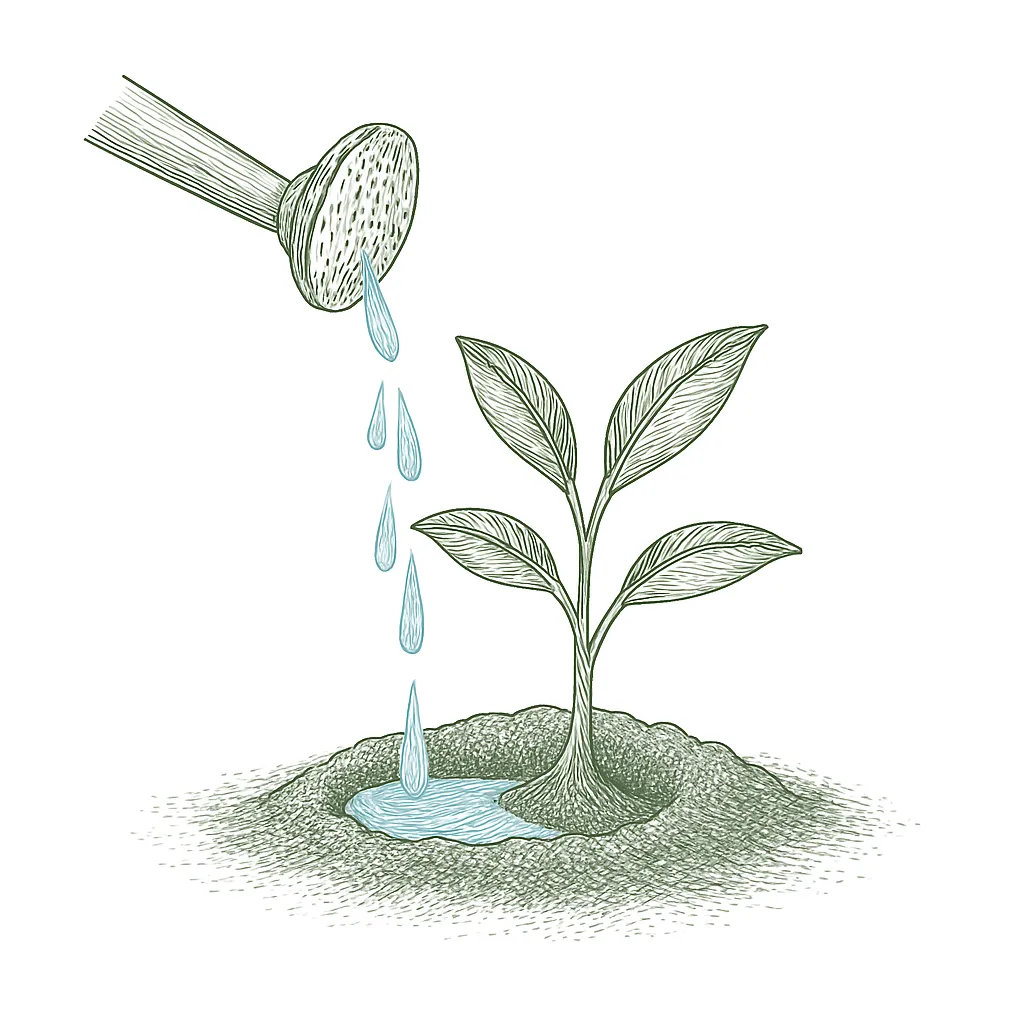
Zucchini needs a moderate amount of feeding, not a lot. The biggest mistake is too much nitrogen, which gives you big leafy plants but fewer squash. Good compost in the soil plus one feeding when flowers appear is usually enough. Keep the plant evenly watered too, since feeding only helps a well-watered plant.Zucchini is a moderate feeder, hungrier than a light crop like beans but well short of a heavy feeder. The main pitfall is too much nitrogen, which drives lush leaves and shy fruiting, sometimes with poor set. A bed enriched with compost plus one balanced side-dressing as the plant comes into flower is usually all it needs. Pair feeding with steady, even moisture, since the nutrients only help if the plant is not also drought-stressed.
Use a balanced fertilizer with equal numbers, like 10-10-10. Avoid high-nitrogen lawn fertilizer.A balanced ratio such as 10-10-10 suits zucchini. Avoid high-nitrogen lawn-type fertilizers, which push foliage at the expense of fruit.
Good companions for squash do one of three things: draw pests away, bring in bees, or feed the soil. Plant a few nasturtiums or marigolds nearby to lure squash bugs off your plants, add flowers like borage to attract the bees that pollinate your squash, and let beans share the bed to enrich the soil. Just give your squash plenty of room, since the plants get big. Squash benefits most from companions that pull pests away, feed beneficial insects, or fix nitrogen, rather than from plants packed in tight. Give sprawling vines their room and use companions as a border or light interplanting. The strongest evidence is for nasturtium, with marigold close behind, reducing squash bug and cucumber beetle pressure, while the Three Sisters trio (corn, beans, squash) earns its place through nitrogen, support, and pest confusion. Pollinator flowers like borage and sweet alyssum matter because squash is insect-pollinated, so anything that keeps bees working improves fruit set. Several herb and flower pairings here are traditional rather than trial-proven, and are labeled accordingly.
Pick zucchini while it is still small, about 6 to 8 inches long, with shiny skin. Round kinds are best picked at about the size of a tennis ball. Zucchini grows surprisingly fast, so check your plants every day or two, it can go from small to oversized in just a couple of days. Cut the stem with a knife instead of pulling. If you leave squash on the plant too long it gets big, tough, and seedy, and the plant slows down. Picking often keeps more squash coming.Pick zucchini young, at 6 to 8 inches long for a standard variety, while the skin is glossy and a thumbnail still dents it easily. Round and patty types are best harvested small as well, roughly tennis-ball to softball size. Fruit sizes up fast in warm weather, often gaining an inch or more a day at peak, so check plants every one to two days. Cut the stem with a knife or shears rather than twisting, leaving a short stub of stem on the fruit. Left too long, squash turns into a dull, seedy marrow with tough skin, and overripe fruit left on the plant signals it to slow new production, so frequent picking keeps a plant cropping.
One zucchini plant produces a lot, usually several pounds over the season. One or two plants are plenty for most families.A healthy plant yields heavily, commonly 6 to 10 pounds of fruit over a season, often more in a long, warm climate. Two plants are plenty for most households, and a single plant at peak can produce more than one family can eat.
At its peak, a zucchini plant makes squash incredibly fast. Pick every day or two, picking often actually keeps more squash coming.At peak in warm weather a plant can set new fruit daily, and squash sizes up so fast that picking every 1 to 2 days is essential. Frequent harvest at this stage actually keeps the plant producing; leaving mature fruit on the vine signals it to slow down. Zucchini is one of the easiest crops for beginners, and the usual surprise is how much you get. Start with just one or two plants.Zucchini is forgiving and productive even for a first-time grower; the usual first-year surprise is not too little but too much. Plant only one or two, and be ready to pick constantly once it gets going.
Zucchini is forgiving, so pick a variety by the space you have. Bush types like Raven stay compact and do well in pots, while classics like Black Beauty are reliable in a garden bed. A yellow type such as Goldrush is easy to spot at picking size.For a first garden almost any zucchini succeeds, so choose by space and color. Compact bush habits like Raven or Dunja fit small beds and containers and keep airflow open to slow powdery mildew, while sprawling heirlooms like Costata Romanesco and Cocozelle reward more room with exceptional flavor. Mixing a green type with a yellow one such as Goldrush makes fruit easier to spot before it oversizes. Black Beauty remains the reliable green standard.
The ladder troubleshoots from the gentlest solution to the strongest. Start with the gentlest option and only move on when and if it doesn't work.
Take out plants that are too far gone to save and get rid of them rather than leaving them lying in the bed, and clear the spent vines once the season ends. Removing that material is the step that breaks the borer's cycle.Destroy collapsed plants promptly instead of letting them sit, and pull spent vines after harvest. Residue removal is what is named here for breaking the cycle from one season into the next.
Lay row cover, a light fabric spread over the plants, on young plants and leave it in place until they flower. It keeps the egg-laying moth from reaching the stems while the plants are small.Cover through establishment excludes the adult clearwing moth during her egg-laying period, which runs from early to midsummer. It comes off at flowering, so scouting has to take over from that point.
Wrap the lower stem with foil. The eggs go on at the stem base, so covering that stretch puts a barrier over the spot where the grub would tunnel in.A foil wrap shields the egg-laying site itself, which is the same place the entry hole and the ring of frass show up later. It is a per-plant step, so it fits a small planting better than a large one.
If you catch it early, cut a slit in the stem, lift out the grub inside, and cover the spot with damp soil so the vine can root again. Pull the plants that are too far gone.At the first frass, cut lengthwise, remove the larva, and mound moist soil over the wound so it can re-root. Pull and destroy plants past saving; that removal is what carries into next year.
No spray for this one. Prevention is the control.
The ladder troubleshoots from the gentlest solution to the strongest. Start with the gentlest option and only move on when and if it doesn't work.
Plant into a different bed from the one that grew squash-family crops last season.Rotating cucurbits off last year's ground is listed together with debris removal as the pair that lowers what carries over from the previous season.
Clear old plant debris out of the bed. The adults pass the winter tucked into it, so taking it away removes their shelter.The overwintering adults sit in garden debris through the cold months, then come out to lay on cucurbits once early summer arrives, so clearing that residue takes away the shelter their season starts from.
Put row cover, a light fabric laid over the bed, on the plants and keep it there until they flower.Cover holds the emerging adults off through establishment and comes off at flowering, so egg scouting on leaf undersides is what carries the program from there.
Look at leaf undersides from early summer and crush the shiny bronze egg clusters you find. Knock the adults and the small gray-brown young into a bucket of soapy water. A board left flat near the plants overnight gives them a place to gather, so lift it at dawn and clear out whatever is underneath.Crushing egg masses on the undersides plus dropping adults and nymphs into soapy water is the core of it, and an overnight board concentrates them for a dawn sweep. Scouting from early summer is what keeps this ahead of the build-up.
If you do reach for a spray, insecticidal soap is the one that works on the young nymphs, the small gray-brown bugs. It does much less once they have grown, so when you use it matters more than how much you use.Soap is a young-nymph material here; a program started after the nymphs are large has missed the stage it acts on.
The bottom rungs are products with label rules: timing, pollinators, and days to wait before harvest. Before you spray →
The ladder troubleshoots from the gentlest solution to the strongest. Start with the gentlest option and only move on when and if it doesn't work.
Give the planting a bed where squash-family crops did not grow the year before.Cucurbit rotation is named with debris clearing as the standing prevention. Adults spend the winter close by and start moving in as soon as they emerge, so rotation lowers the pressure rather than removing it.
Clear plant debris out of the patch as part of the same routine.Debris removal sits beside rotation in the prevention line, and it backs up seedling protection rather than standing in for it.
Cover young plants with row cover, a light fabric laid over the bed, until the flowers open, then take it off so bees can reach them. Getting the young plants through is the part that matters most.Row cover over seedlings is where the payoff sits, because the damage on young plants and the wilt the beetles carry are what actually cost you. Lift it at flowering for pollination and keep scouting past that point.
Pick beetles off by hand first thing in the morning while it is cool and they are slow, or run a hand vacuum over them.Hand-collecting or vacuuming adults in the cool of the morning works while they are sluggish, and it is worth most on seedlings. Chasing every beetle all season is not the goal.
Yellow sticky traps, cards coated with glue, help you keep track of how many beetles are around.Traps are named here for monitoring rather than control, so read them as a gauge of adult activity while seedling protection is still the priority.
Kaolin clay, a fine white clay applied as a coating over the plant, puts beetles off feeding. It deters them rather than killing them.Kaolin works on feeding behavior, so it takes the chewing down rather than the population; it belongs alongside exclusion and scouting, not in place of them.
No spray for this one. Prevention is the control.
The ladder troubleshoots from the gentlest solution to the strongest. Start with the gentlest option and only move on when and if it doesn't work.
Look for a variety labeled as mildew-resistant when you are buying seed. This is a decision made before planting, not something you can add once the season is under way.Variety resistance is the pre-season lever, and it heads the prevention line here alongside spacing and base watering.
Give plants enough room for air to move between them, and put the patch in full sun. Crowded plantings with poor air flow are where this runs fastest.Spacing and a full-sun site are set at planting and are weighted above spraying. This fungus can infect without leaf wetness, so what spacing buys is a less humid canopy rather than faster leaf drying.
Water the soil at the base of the plants instead of over the top of the leaves. That keeps the air around the foliage from staying humid.Base irrigation is specified to hold humidity around the foliage down. Since infection here does not depend on wet leaves, humidity is the input you are managing.
Pull off the worst-affected leaves as you find them.Stripping the heaviest-infected leaves trims what is on hand to spread from; it does not restore tissue the fungus has already colonized.
Treat the first white spots with a fungicide that is labeled for it, such as sulfur, and hold off on sulfur in high heat. Repeat as the label directs. Spraying slows the spread, but it does not bring back leaf tissue that is already infected.Sulfur at first symptom, repeated on label intervals, slows progress rather than curing colonized tissue, and it is one to skip in high heat. Catching the first spots is what makes the application worth making.
The bottom rungs are products with label rules: timing, pollinators, and days to wait before harvest. Before you spray →
The ladder troubleshoots from the gentlest solution to the strongest. Start with the gentlest option and only move on when and if it doesn't work.
Look for a squash-family variety with resistance to this if one is offered for what you want to grow. It is a help where you can find it, not a replacement for keeping beetles off.Resistant cucurbit types are named as a help where available, which places them behind vector management rather than ahead of it.
There is no bringing an infected plant back, so pull the wilting ones and get rid of them quickly instead of leaving them where beetles keep feeding. To check first: cut through a wilted stem, hold the two cut faces together for a moment, then ease them apart, and infected sap pulls out into sticky white threads.Prompt removal and destruction of wilting plants is the one in-season action available, and its purpose is limiting beetle-carried spread to the healthy plants around them. Confirm with the stem-sap strand test before pulling.
Cucumber beetles are what bring this in, so keeping them off young plants is the real prevention. Cover seedlings with row cover, a light fabric laid over the bed, until they flower, and keep watching for a sudden wilt and collapse on any plant.The bacterium overwinters in the beetles rather than in the soil, so excluding the vector at the seedling stage is control of the disease itself. The cover comes off at flowering, which is where scouting and prompt removal take over.
No spray for this one. Prevention is the control.
Try not to grow zucchini or its relatives in the same spot more than once every 3 years. Moving it around the garden each year helps avoid a buildup of pests and disease. Clean up old plants at the end of the season too.Rotate cucurbits on a 2 to 3 year cycle, returning zucchini to a given bed no sooner than the third year. The point is to break the buildup of squash bug, vine borer, and soilborne disease. Clearing spent vines at season's end, rather than tilling them in, removes overwintering sites and makes rotation more effective.
The plant app sends a timely reminder at every critical moment of your zucchini / courgette season. The wording adjusts to whichever you pick: beginner or seasoned. Here are three you'll see in Zone 9.
plant sends the right notification at exactly the right moment, for your zone, your weather, your crops. Founding members lock the rate forever.
We're building this guide with real growers. Got a question we missed? Ask here. We read every one and add the best answers right to this page.
Learned something the hard way? Pass it on. Real growers' tips make this guide better for the next person, and we credit you by name when yours goes live.
If you've grown this crop and you see a date, a temperature, a companion claim, or a recommendation that doesn't match your experience, tell us. Real growers' corrections make this guide better for the next person.
Every date, temperature, spacing, and recommendation on this page is sourced from university cooperative extension publications, peer-reviewed agricultural research, NOAA climate data, and direct extension calendars. Where claims are softer (traditional gardening wisdom not formally documented), we say so.
Spot a data point that doesn't match your experience? Submit a correction; accepted corrections earn full author credit on the page.
Zone-aware seasonal nudges, what's worth planting now, and the occasional recipe from the harvest. No spam, ever.