Persimmons and Pomegranates: How to Tell When They're Ready
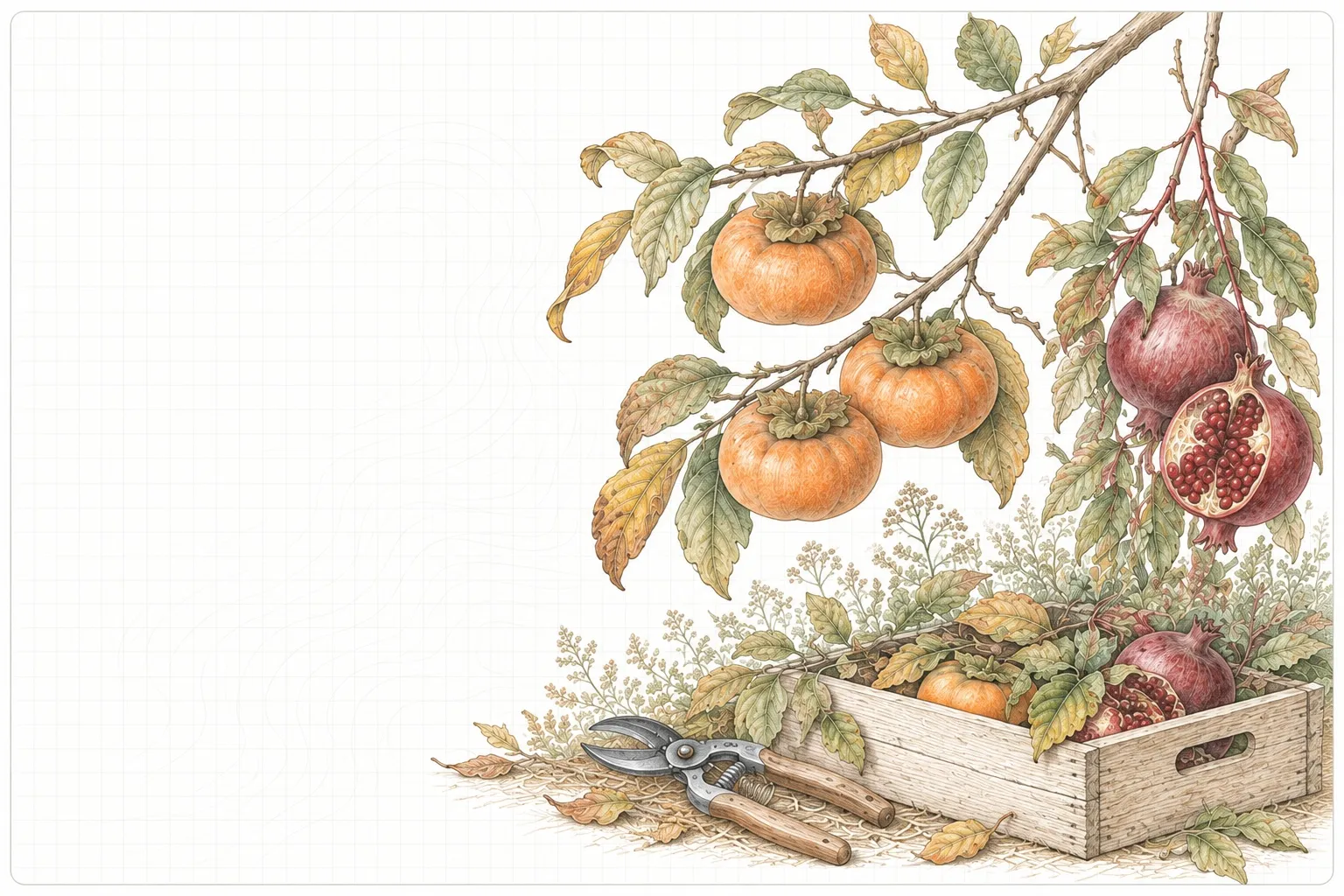
By November, two fruits are hanging in a lot of backyards in milder climates: persimmons glowing orange on trees that have started to drop their leaves, and the last pomegranates of the year. Both are easy to grow and easy to get wrong at harvest, for opposite reasons. Persimmons can keep ripening after you pick them. Pomegranates need to be ready before they leave the tree.
If you’ve been watching yours and wondering whether it’s time, here’s what to look for.
Persimmons: eat firm or wait until soft?
If you’ve ever bitten into a persimmon and had your mouth suddenly feel dry and puckery, it probably needed more time.
Some persimmons are sweet while they’re still firm, with a crunch more like an apple. Others need to become completely soft before eating. That’s the main difference to remember. One can go straight onto your cutting board. The other needs a little patience.1
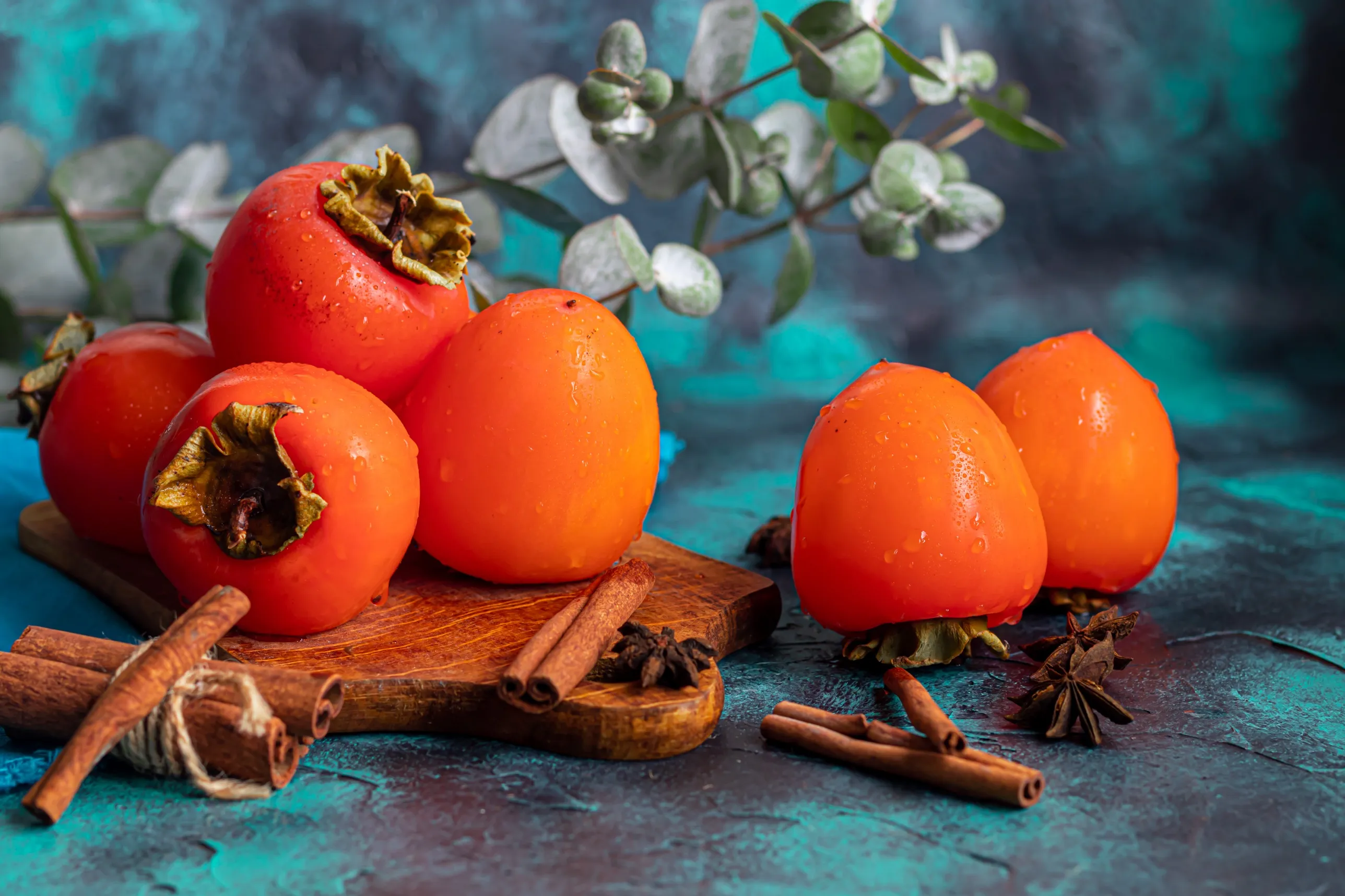
Not sure which kind you have? Start with the shape. A squat, flattened persimmon shaped like a tomato is often the kind you can eat firm. A longer, heart-shaped fruit with a pointed bottom is often the kind that needs to become completely soft. The common varieties Fuyu and Hachiya follow those patterns, respectively.1
Shape is a clue rather than a guarantee, since other varieties can look similar. If you’re still unsure, let a fully colored fruit soften completely before trying it. You don’t need to know its exact name to enjoy the harvest.
When to pick your persimmons
For common orange persimmons, look for fruit that has developed its full orange color. The kinds that need to soften can be picked while they’re still firm and brought inside to finish on the counter.2
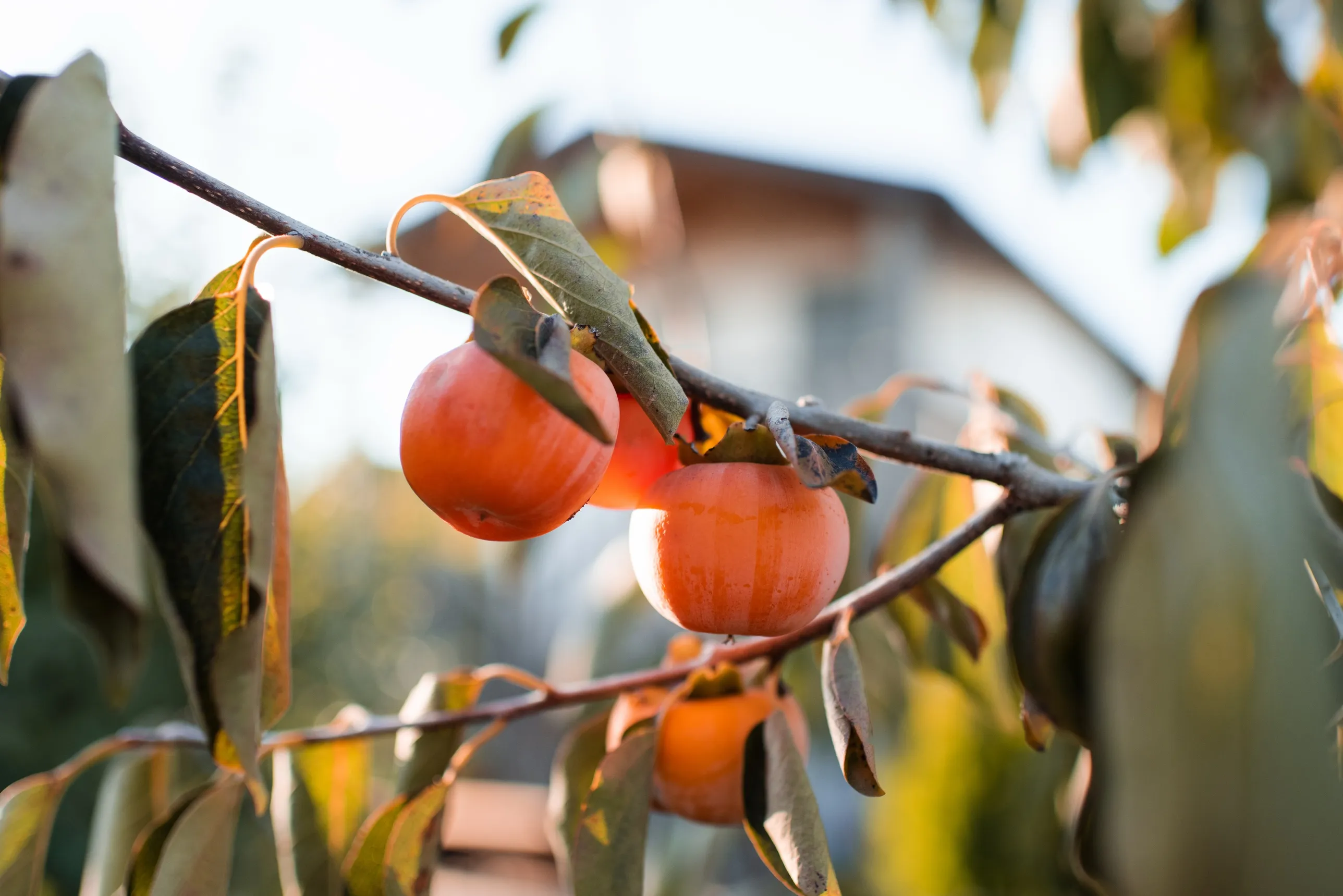
Use clippers to cut the stem close to the leafy cap, and set the fruit down gently. Persimmons bruise easily, especially as they soften.1
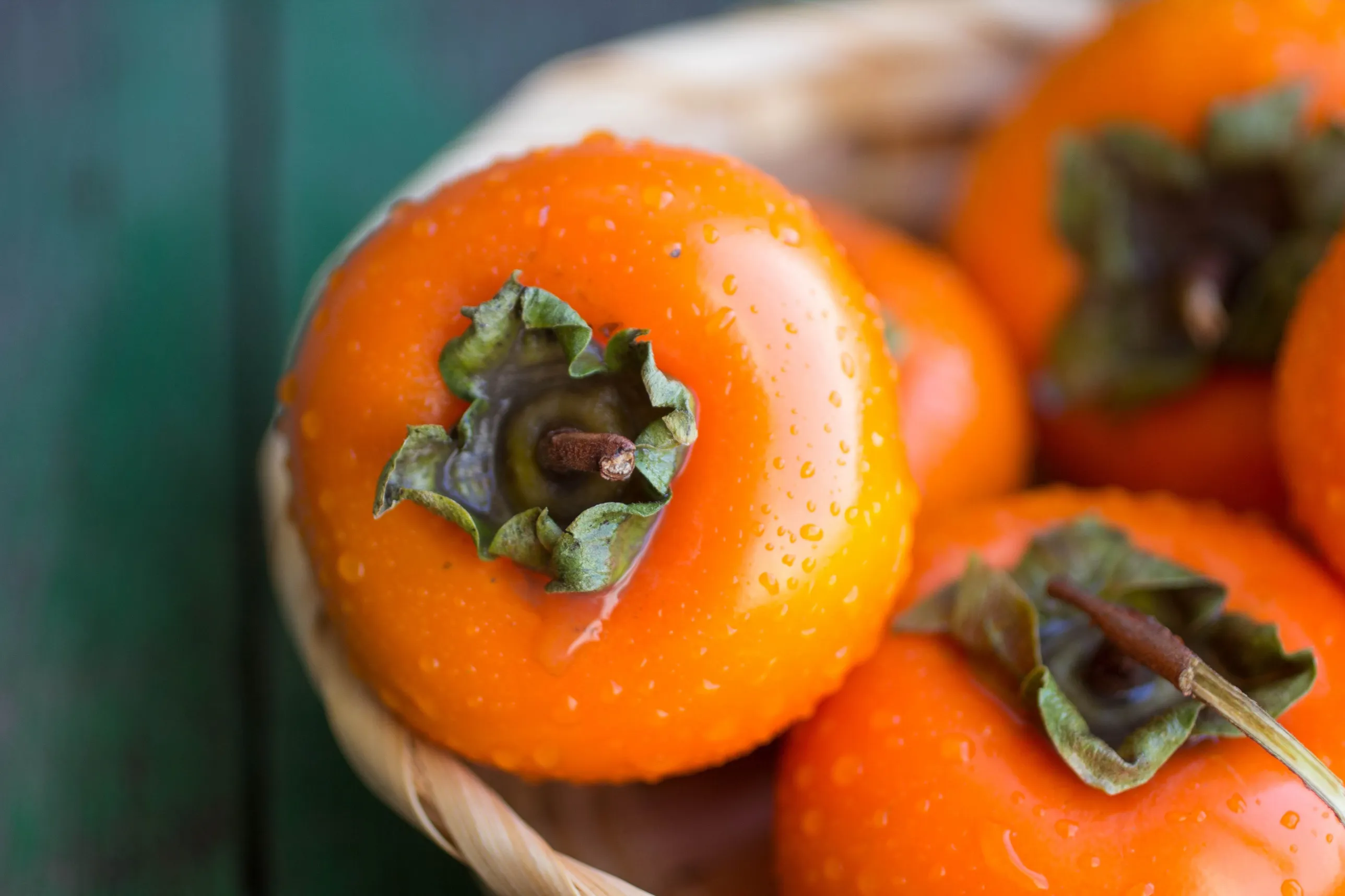
You don’t need to wait for frost, either. A cold night isn’t what makes them sweet. Color tells you when to consider picking; the kind you have tells you when to take a bite.2
When are they ready to eat?
If yours is a kind that can be eaten firm, you can slice a ripe one and enjoy it with a little crunch.
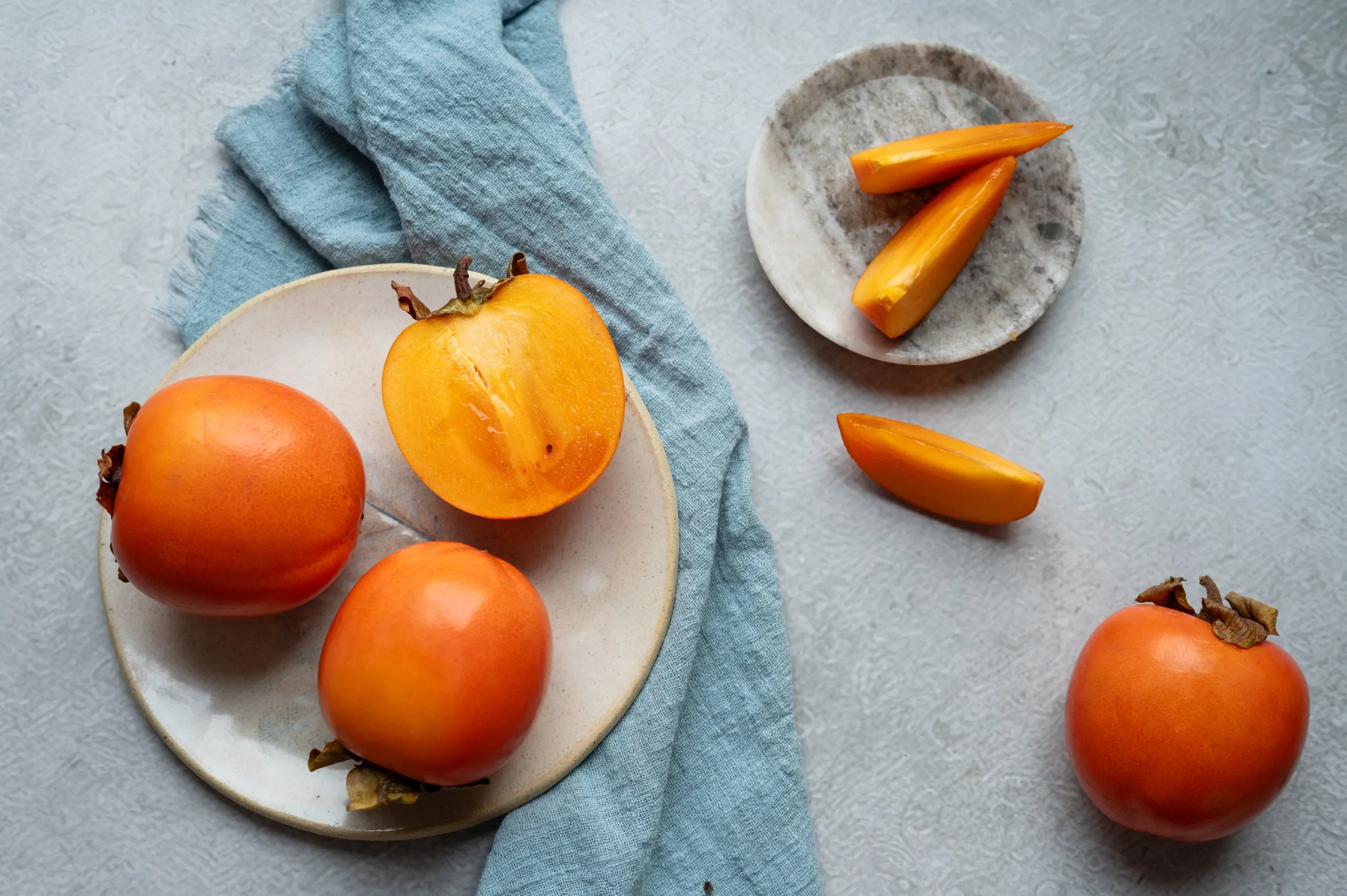
For the kind that needs to soften, a little give under your thumb isn’t enough. Wait until it feels soft all the way through, with flesh you could scoop with a spoon. That’s when patience pays off.1, 2
Check the fruit on your counter regularly so you catch it when it’s ready.
Pomegranates: let the fruit guide you
November is a good reminder to check what’s still on your tree. In California, for example, many pomegranates are ready in early to mid-fall, but the timing depends on what you’re growing and the conditions in your yard.3
The calendar gives you a starting point. Your fruit tells you when it’s ready.
Look for the color typical of your tree’s fruit, but don’t assume every ripe pomegranate needs to be deep red. Some stay pink or much lighter, and color can vary from season to season. Experienced growers also tap the rind and listen for a metallic sound, though that takes practice.3, 4
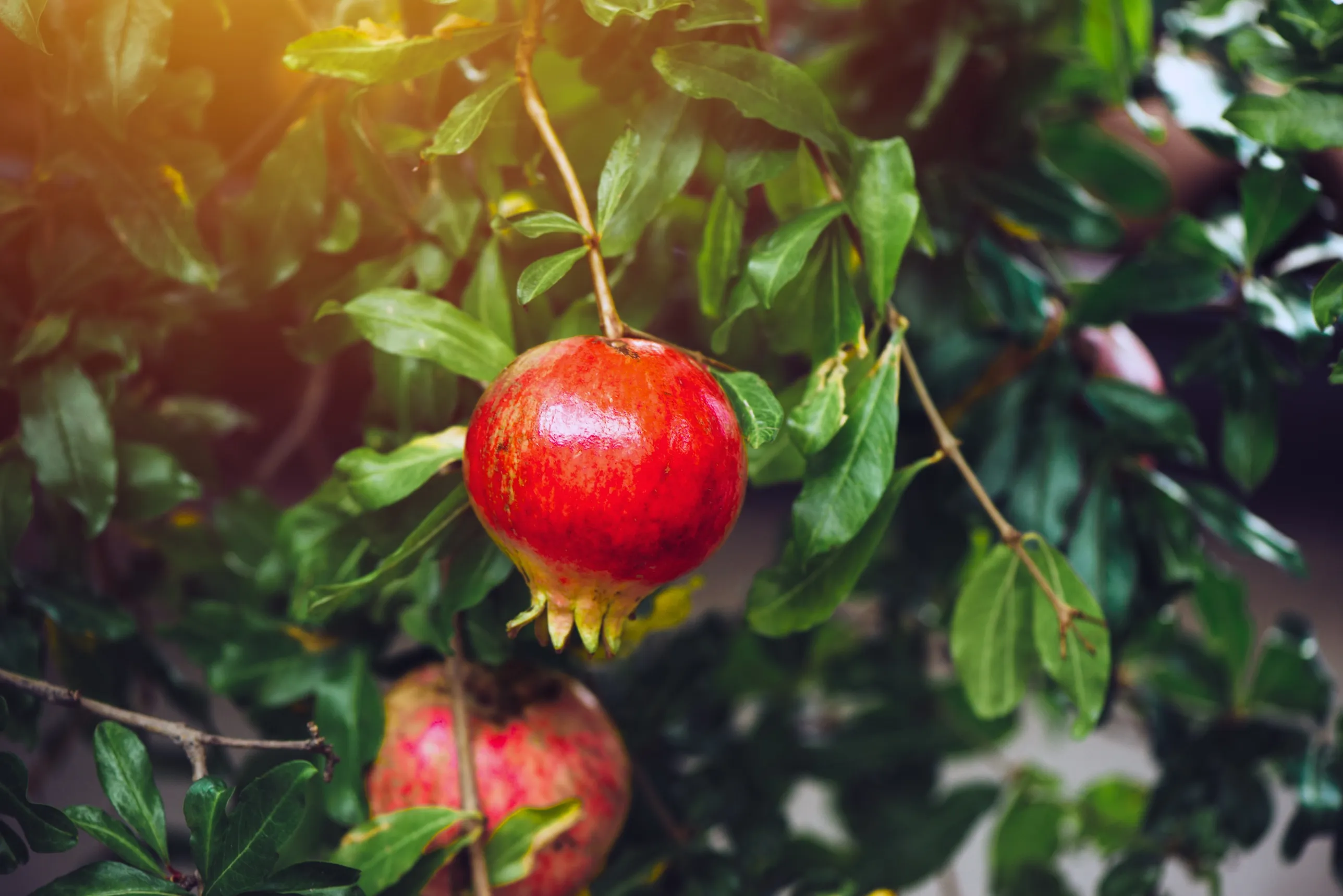
If the tree is new to you, or you’re unsure whether it’s ready, pick one and taste the juicy seeds inside. Are they sweet enough to enjoy, with a balance of sweetness and tartness you like? That’s a more useful check than picking the whole tree and hoping the fruit will sweeten on the counter.
Unlike persimmons, pomegranates don’t keep ripening after you pick them.5
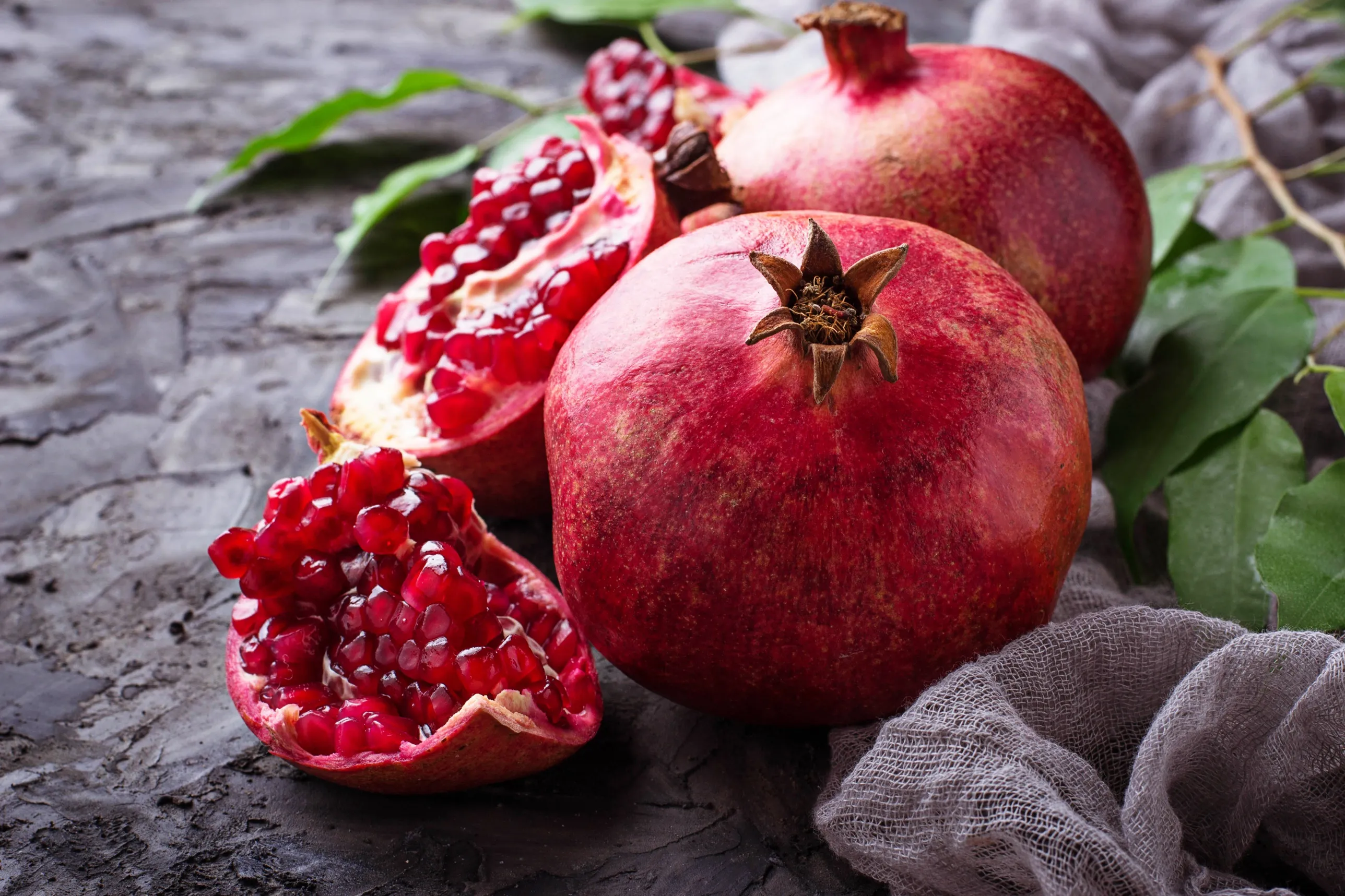
Pick ripe fruit before it splits
A split pomegranate is a familiar fall disappointment. A sudden soaking after a dry stretch can contribute to cracking. Keeping the soil reasonably evenly moist helps, while too much watering in fall can make the problem worse.4
Once the fruit is ripe, it’s worth bringing it in before approaching rain.
Use shears rather than pulling. Clip the stem close to the fruit so it won’t poke holes in the others in your basket, and set each one down gently. That tough-looking rind can still split with a hard bump.4
Keeping your harvest
Leave persimmons that need to soften on the counter until they’re ready to eat. Fully colored fruit can finish ripening there.2
Whole pomegranates without cracks or damage keep well in the refrigerator. They can last up to two months, depending on their condition and storage temperature. Once you’ve taken the juicy seeds out, refrigerate them and use them within five to seven days.6
Keep split pomegranates out of your storage batch, and throw away any that are moldy or rotten.4
A little attention goes a long way
With persimmons, the trick is knowing whether yours can be eaten firm or needs time to soften. With pomegranates, it’s picking them when they taste good, before rain or splitting costs you the harvest.
A quick walk through the yard, clippers in hand, might be all you need to bring something good inside.
To see when persimmons and pomegranates are ready where you live, open our persimmon guide and pomegranate guide.
Get to know what’s growing in your yard
We’re building plant to help you feel more confident in your garden, from choosing what to grow to knowing when it’s ready to pick.
Explore plant and follow along as we grow.
Sources
[1] UC Master Gardener Program of Sonoma County, Persimmons. ucanr.edu
[2] Texas A&M AgriLife Extension, Persimmons. aggie-horticulture.tamu.edu
[3] UC Cooperative Extension Central Sierra, Pomegranate Production. ucanr.edu
[4] University of Georgia Extension, Pomegranate Production. fieldreport.caes.uga.edu
[5] UC Davis Postharvest Research and Extension Center, Pomegranate. postharvest.ucdavis.edu
[6] UC Master Food Preservers of Sonoma County, Pomegranates. ucanr.edu
All sources accessed October 31, 2026.