How to Protect Your Garden from Frost
The first night near freezing always seems to sneak up on me. One day I’m still picking tomatoes, and the next I’m looking at the forecast wondering what needs to come inside.
If that’s where you are, start with the tomatoes and basil. Leave the kale and carrots alone if you’re only expecting a light frost. And if you’ve got a young lemon or lime tree, give yourself a little time to cover it before dark.
When should you start watching for frost?
Look up your usual first frost on our frost dates page. That gives you a rough idea of when to start checking the overnight forecast. Some years frost shows up early. Other years you get a few more weeks out of the summer garden.
Pay attention to where things are planted, too. Cold air settles in low spots, so a tree at the bottom of a slope may get colder than one closer to the house. In places with mild winters, frost can come and go all season. Sacramento, for example, often gets light winter frosts and sees a hard freeze every few years.1
What can stay in the garden?
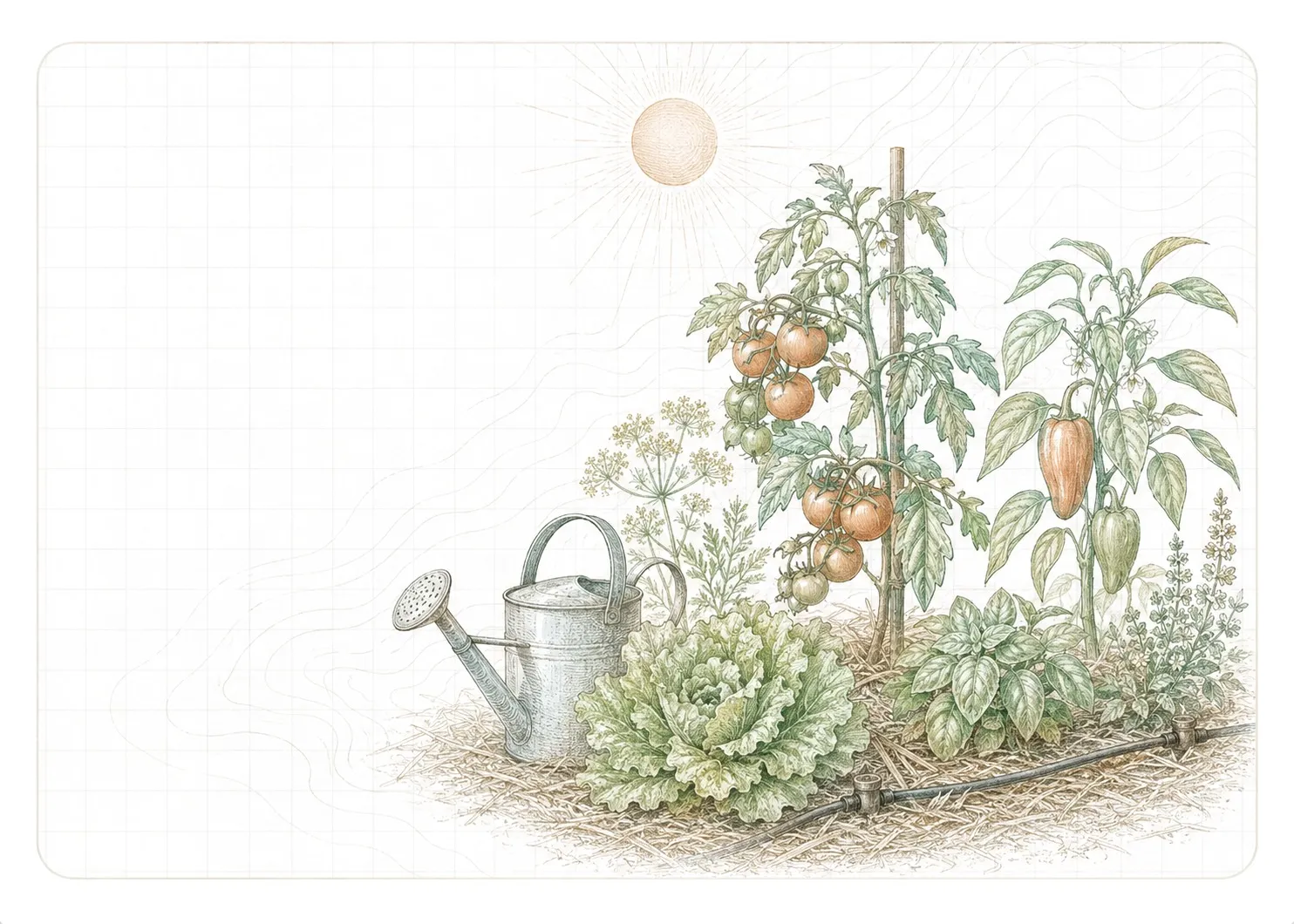
Tomatoes, peppers, beans, cucumbers and squash can all die in a frost. Basil is sensitive to the cold, too, so pick what you can use while it still looks good.2, 3
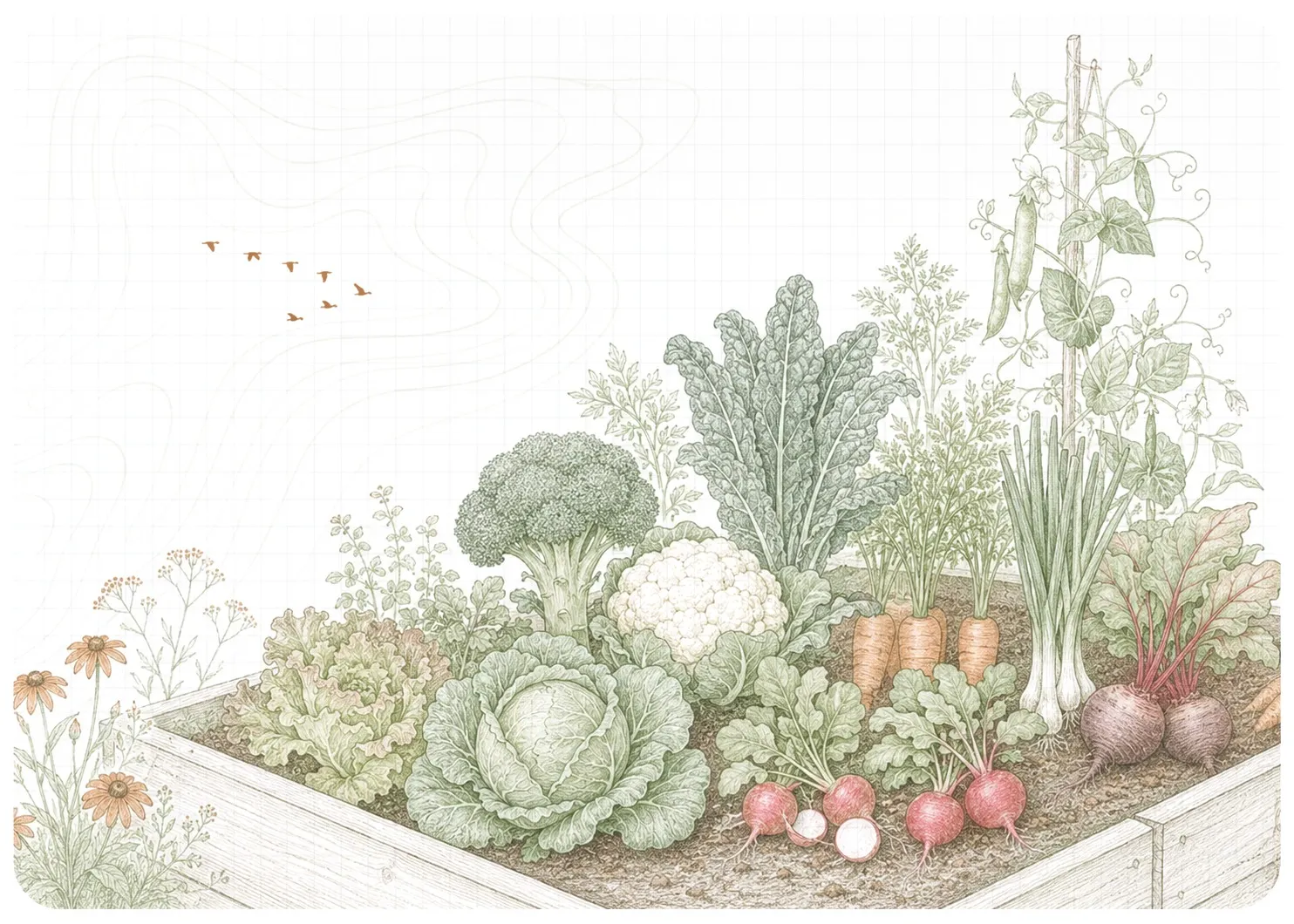
A light frost is usually easier on vegetables that like cool weather. Broccoli, Brussels sprouts, cabbage, cauliflower, beets, chard, collards, garlic, kale and lettuce can all handle some time below 32°F.2
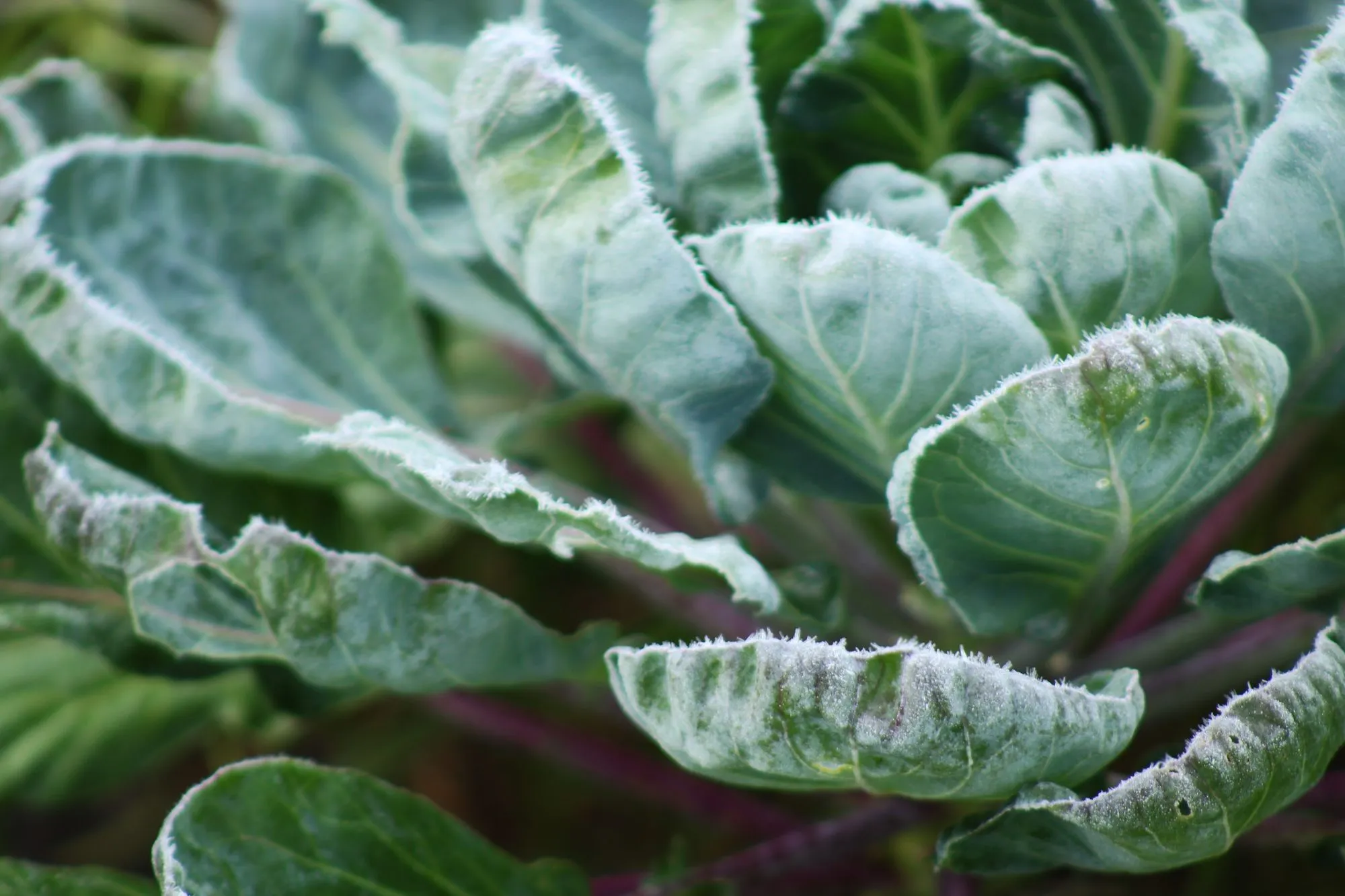
Kale can actually taste sweeter after cold weather. Carrots can handle a light frost, too, and the roots can take more cold than the leafy tops. A hard freeze is tougher on them.4, 5
If you grow fall carrots where the ground freezes, you can cover the bed with straw or shredded leaves before it freezes. That can keep the soil workable enough to dig carrots through the winter.5
Pick your tomatoes and basil before dark
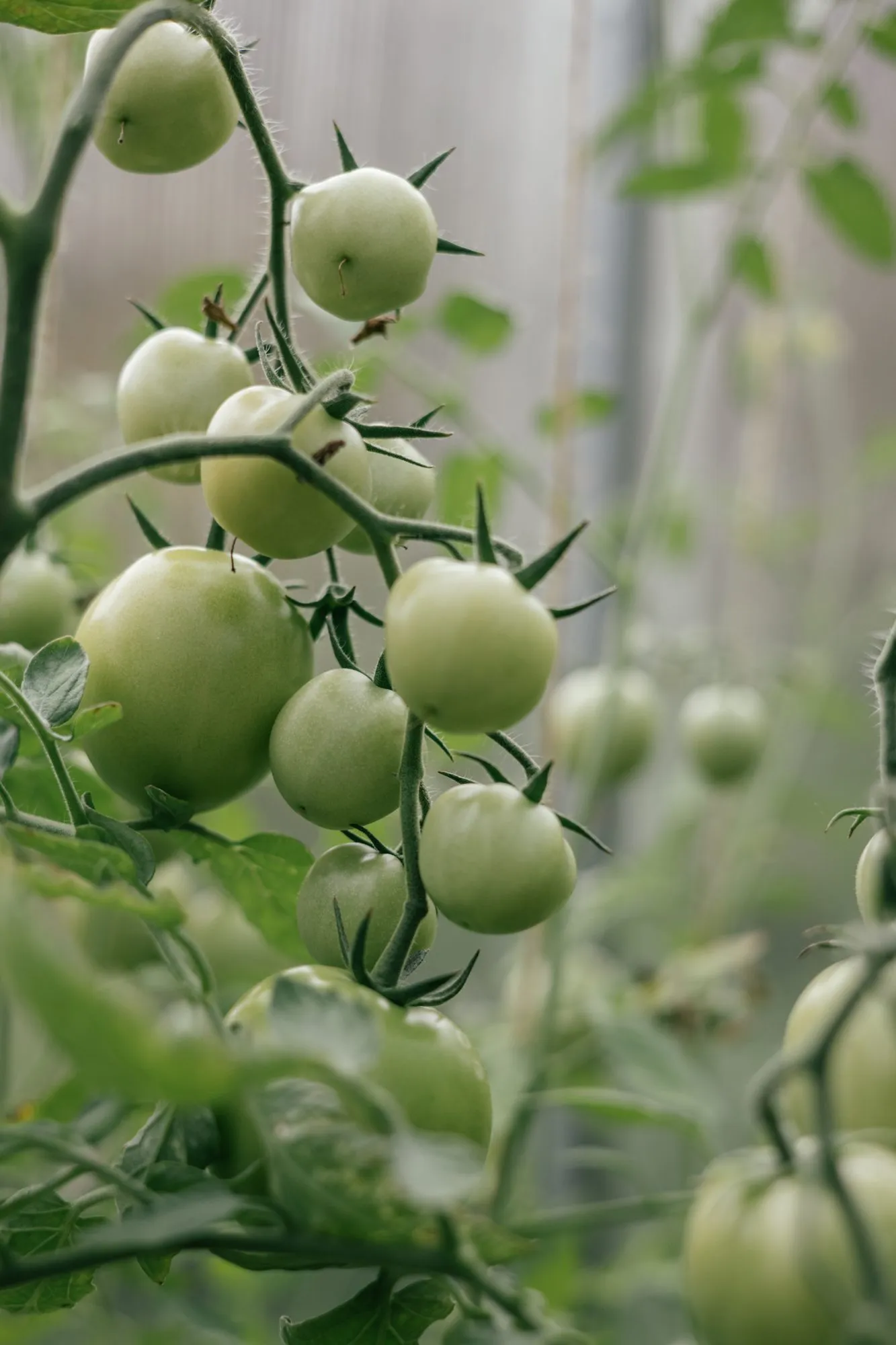
If frost is in the forecast, pick the tomatoes that are still on the vine. Full-size green tomatoes can often finish ripening indoors, especially if they’re starting to turn pale or show a little pink. Smaller tomatoes that still have a lot of growing to do are less likely to develop good flavor.6
Cut the basil you can use before the cold hits. If you want to keep a plant going, you can dig it up, put it in a pot and bring it inside.3
When do lemons and limes need a cover?
Lemons and limes are more sensitive to cold than oranges, and young trees need the most attention. A lemon can handle a short dip to about 29°F, but not much longer. The colder it gets and the longer it stays cold, the more damage you can expect.7, 8
Limes can run into trouble sooner. UC guidance puts limes at around 30°F, and Key lime leaves can be damaged between 30°F and 32°F. Below 29°F, the wood can be damaged or die. If the forecast is getting close to freezing and you have a young lime, get the cover ready that afternoon.9, 10
How to cover your citrus before a frost
If your tree is in a pot, move it indoors or tuck it against a south-facing wall. If a hard freeze is coming, pick any ripe fruit you can use right away.1, 10
For a tree planted in the ground, here’s what you can do before dark.
- Pull back the mulch and water the soil. Clear away weeds or other ground cover under the tree and water deeply enough to moisten the soil 6 to 8 inches down. Bare, moist soil holds warmth from the day and releases it overnight.1, 7, 8
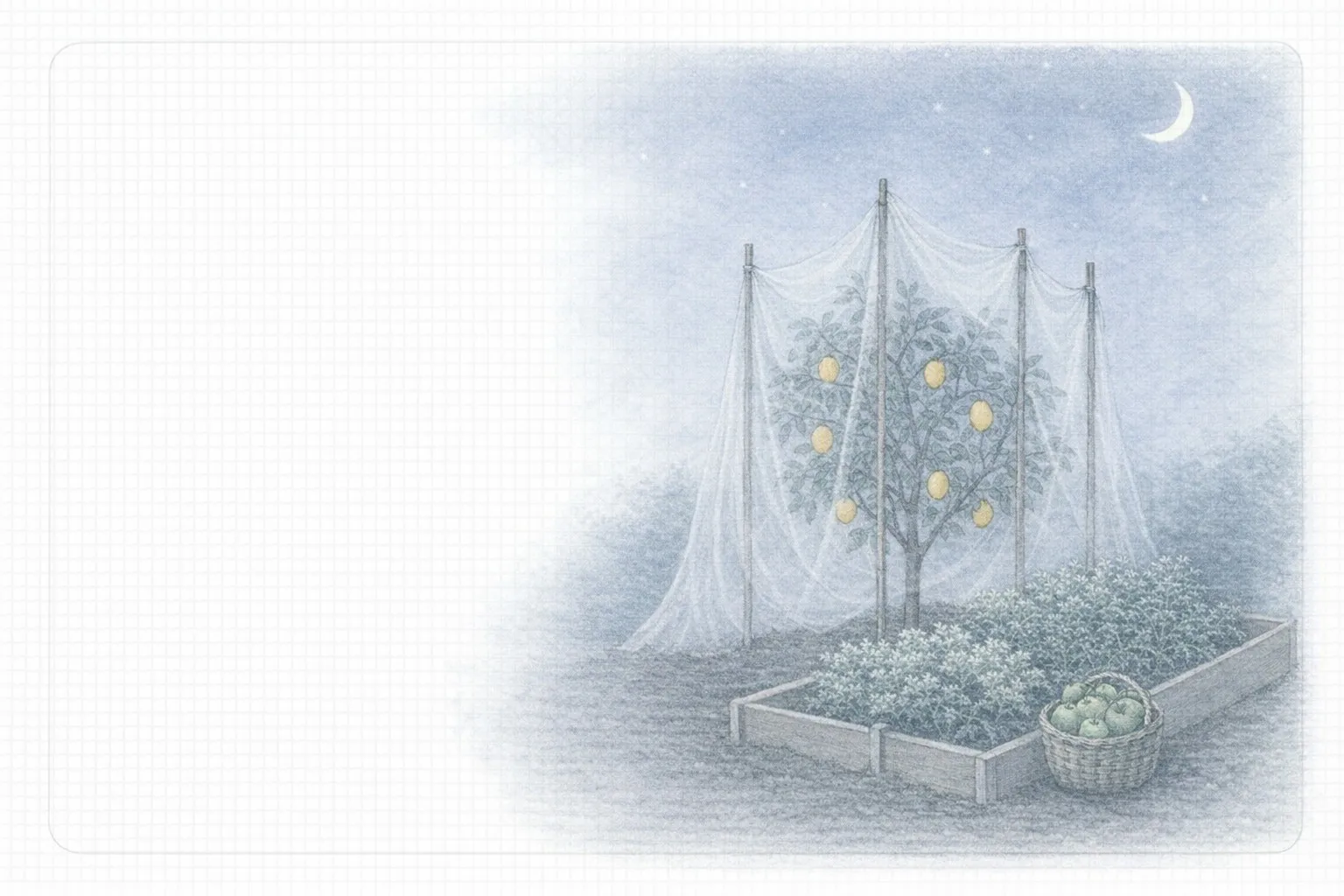
- Cover the whole tree. Use frost cloth, a sheet or a blanket. Set up stakes or a frame to keep the cover off the leaves. Plastic can damage any leaves it touches.1, 10
- Give young trees extra protection. Wrap the trunk with insulating material from the ground up to the main branches.8
Take the cover off the next morning once the temperature rises.10
If the leaves look burned the next morning
Give the tree some time before you reach for the pruners. Damaged leaves can hang on until spring. Pruning as winter approaches can also push the tree to put out new growth that the next cold night could damage.7
If you’ve only got a few minutes before dinner, bring in the tomatoes, cut the basil and cover the young citrus. The kale can wait.
You can look up your usual first frost on our frost dates page. If you’re growing citrus, we’ve got more in our lemon guide and lime guide. And if you’re still figuring out what to grow through the cooler months, take a look at our kale guide and carrot guide.
Grow with the seasons
We’re building plant to help you figure out what to grow and what to do next, from the first seeds you sow to the last tomatoes you bring inside.
Explore plant and follow along as we grow.
Sources
[1] UC Master Gardeners of Sacramento County, Growing Citrus in Sacramento (GN 127)
[2] Texas A&M AgriLife Extension, Fall Vegetable Gardening Guide for Texas
[3] University of Minnesota Extension, Growing basil
[4] Clemson Cooperative Extension Home & Garden Information Center, Arugula, Kale, Mesclun, Mustard and Swiss Chard
[5] University of Maryland Extension, Growing Carrots in the Home Garden
[6] University of Minnesota Extension, Growing tomatoes in home gardens
[7] UC Cooperative Extension Kern County, Growing Backyard Citrus in Kern County (KC9382)
[8] UC Agriculture and Natural Resources, Frost Protection for Citrus and Other Subtropicals (Publication 8100)
[9] UF/IFAS Extension, Key Lime Growing in the Florida Home Landscape
[10] UC Cooperative Extension Placer and Nevada Counties, Growing Citrus in the Sierra Nevada Foothills
All sources accessed November 3, 2026.