Pick your zone and the dates re-calibrate.
The Guide Crops Vol. 003

Kale

in Zone 12, this week

Kale is a leafy cabbage-family plant you grow for its leaves, picking a few at a time over a long season instead of harvesting it all at once. It loves cool weather and is one of the toughest vegetables you can grow: it survives hard frost, and the cold actually makes the leaves taste sweeter. In mild areas it keeps going all winter, and in cold areas it can survive winter with a little cover, so one planting can feed you for months. Kale is a hardy, non-heading cole crop grown for its nutritious leaves, which are harvested continuously rather than as a single head. A cool-season brassica, it produces the best quality in the cool weather of spring and fall and is one of the most cold-hardy vegetables in the garden: mature plants shrug off hard frost, and a touch of cold actually sweetens the leaves as the plant converts starch to sugar. In mild-winter regions it grows right through winter, and in colder zones it overwinters with simple protection, making it one of the longest-cropping plants a gardener can grow.
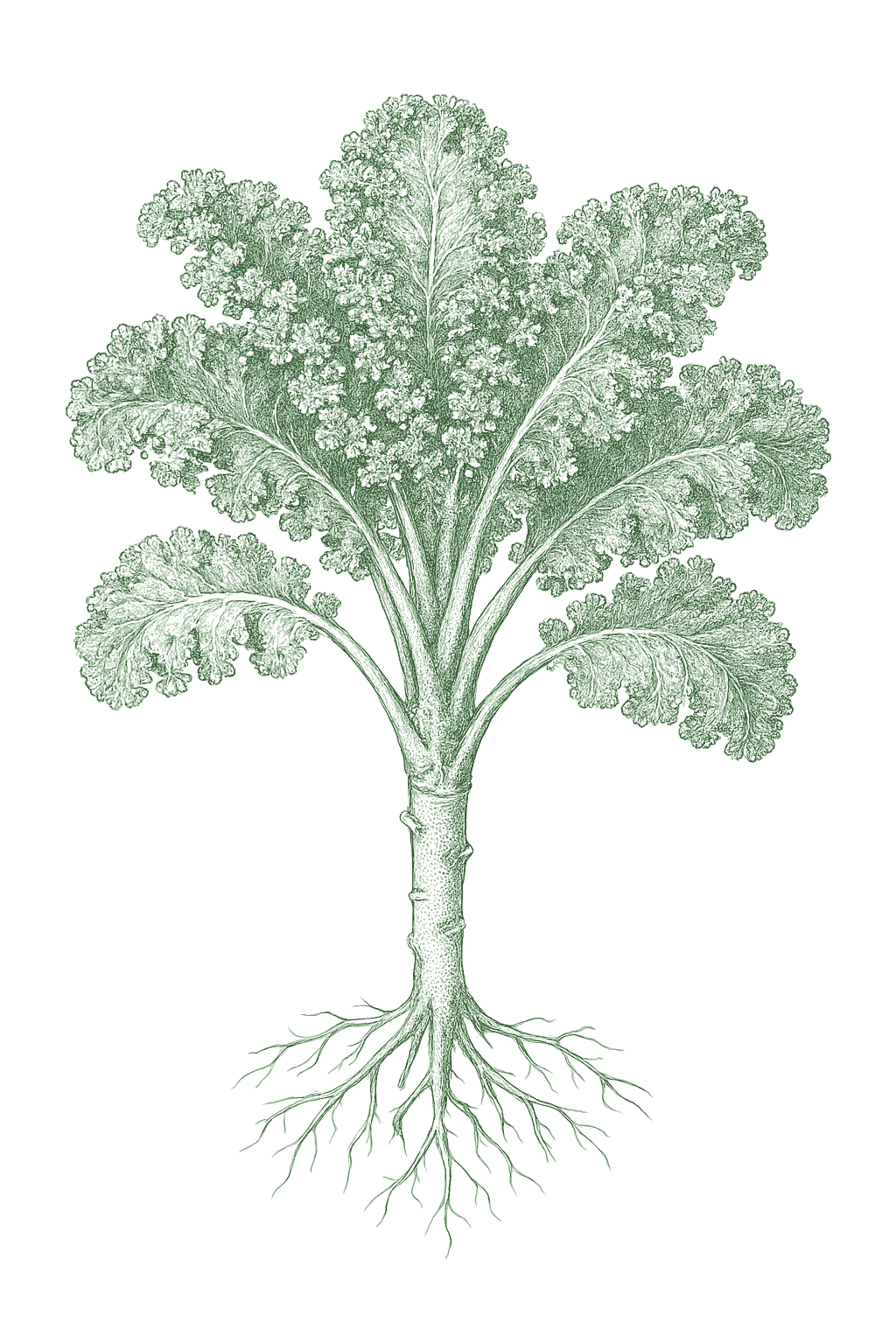
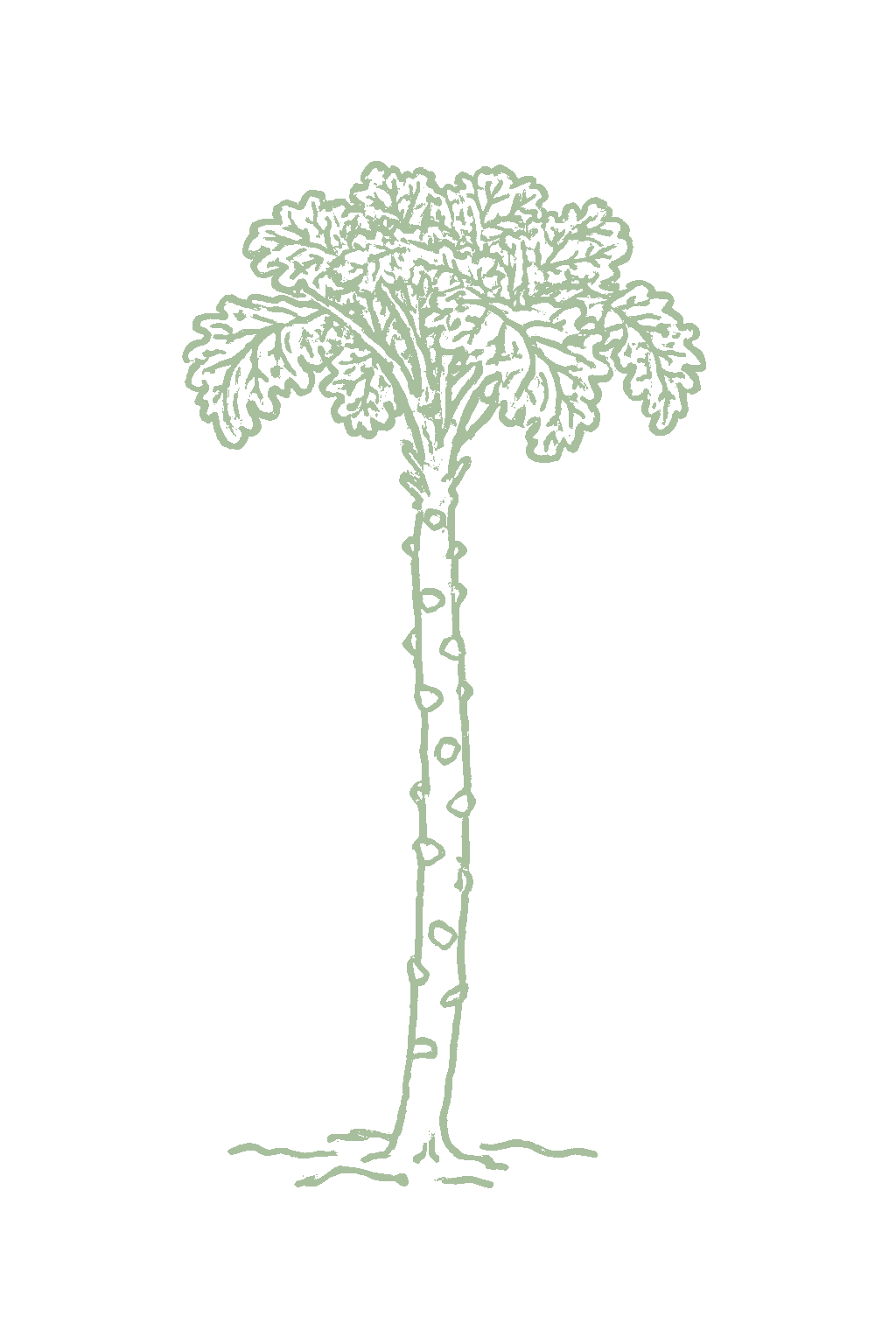
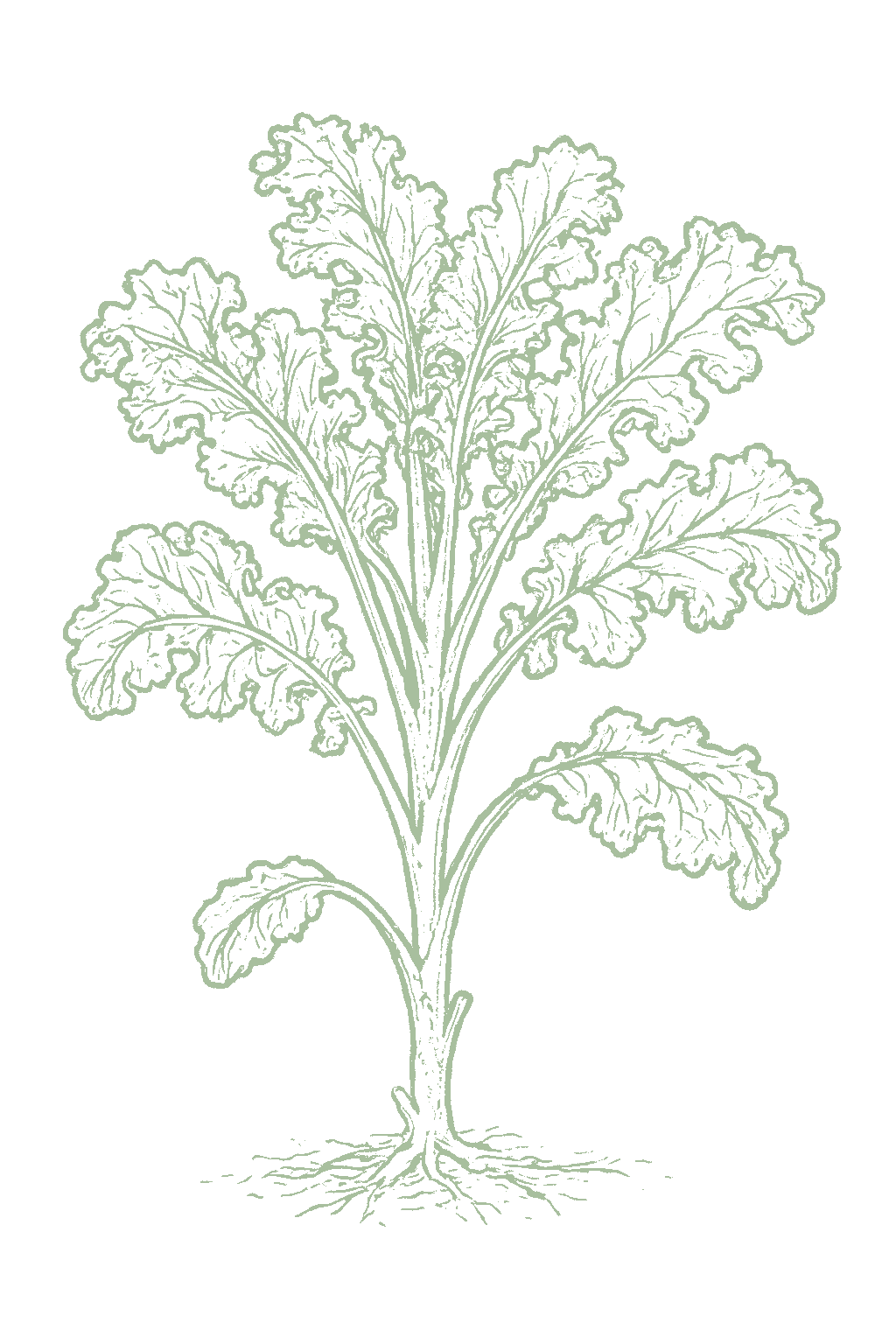
Kale mature plant
Fig. 01 · Kale, mature Zone 12
Mature in
50-65d
from transplant
Sunlight
Full sun
6-8 hrs daily
Water
Regular
1.5 inches / week
Spacing
12-18"
between plants
Soil pH
6-7
slightly acidic
Today · in your zone

What's happening right now

July 24 · Zone 12 · Stage 01 · Germination

Off-season for kale in zone 12.

The season at a glance

Planting calendar

In Zone 12, kale can be planted September through November, skipping the summer heat. Harvest runs December through April.

Jan
Feb
Mar
Apr
May
Jun
Jul
Aug
Sep
Oct
Nov
Dec
plant
too late
too late
too late
too late
too hot
too hot
too hot
too hot
plant
plant
plant
too late
harvest
harvest
harvest
harvest
harvest
harvest
indoors
plant out
harvest
Above-ground cropBest planted on a none moon
Seasoned
Stagger your sowings

Succession planting

Plant kale in small batches a couple of weeks apart, in spring and again in late summer for fall, rather than all at once. Each plant keeps giving leaves for a long time, so you do not need many. In hot-summer areas, skip the summer and plant for fall and winter.Kale crops over a long window, so rather than one big planting, sow small batches every 2 to 3 weeks through the cool stretches of spring and again from late summer for a fall and overwintering crop. Because each plant is cut over many weeks, you need fewer sowings than for a fast crop, but staggering them keeps a supply of tender young leaves coming. In hot regions skip the summer heat and plant for fall and winter instead.

Every 3 weeks · sow a short new rowUp to 12 sowings a seasonToo hot to sow midsummer
Jan
Feb
Mar
Apr
May
Jun
Jul
Aug
Sep
Oct
Nov
Dec
sow
harvest
keep sowing
too hot
continuous harvest
The season, mapped

Seed to garden

You can sow kale seeds right in the garden or start them indoors. For spring, start seeds about a month before planting out, and set plants in the garden a few weeks before your last frost, or just sow seeds once the soil can be worked. For a fall crop, sow in mid to late summer so it is ready before winter. If you grow your own transplants, let them get used to the outdoors over a week before planting.Kale can be direct sown or transplanted. For a spring crop, start seeds indoors about 4 to 5 weeks before set-out and transplant around 4 to 5 weeks before the last frost, or direct sow as soon as the soil is workable; kale tolerates frost. For a fall and overwintering crop, sow in midsummer (often direct in the garden) so plants size up before cold, then harvest through fall and, in milder zones, winter. Harden transplants off over 7 to 10 days.
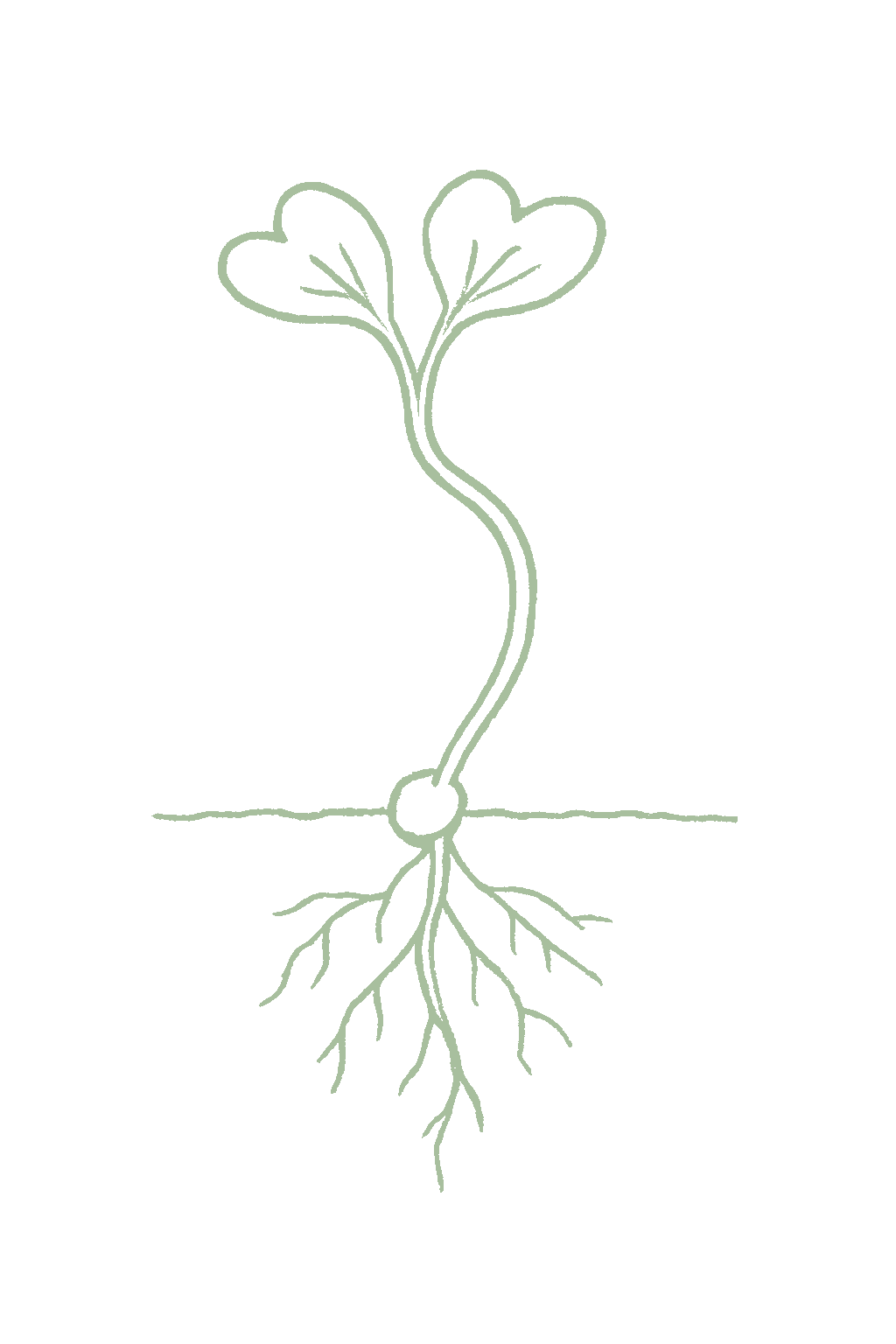
Start method
Both
Soil temp
45-85°F
From seed to fruit

The growing journey

Stage 01 · Germination
01
Germination
Days 5-14 · current stage
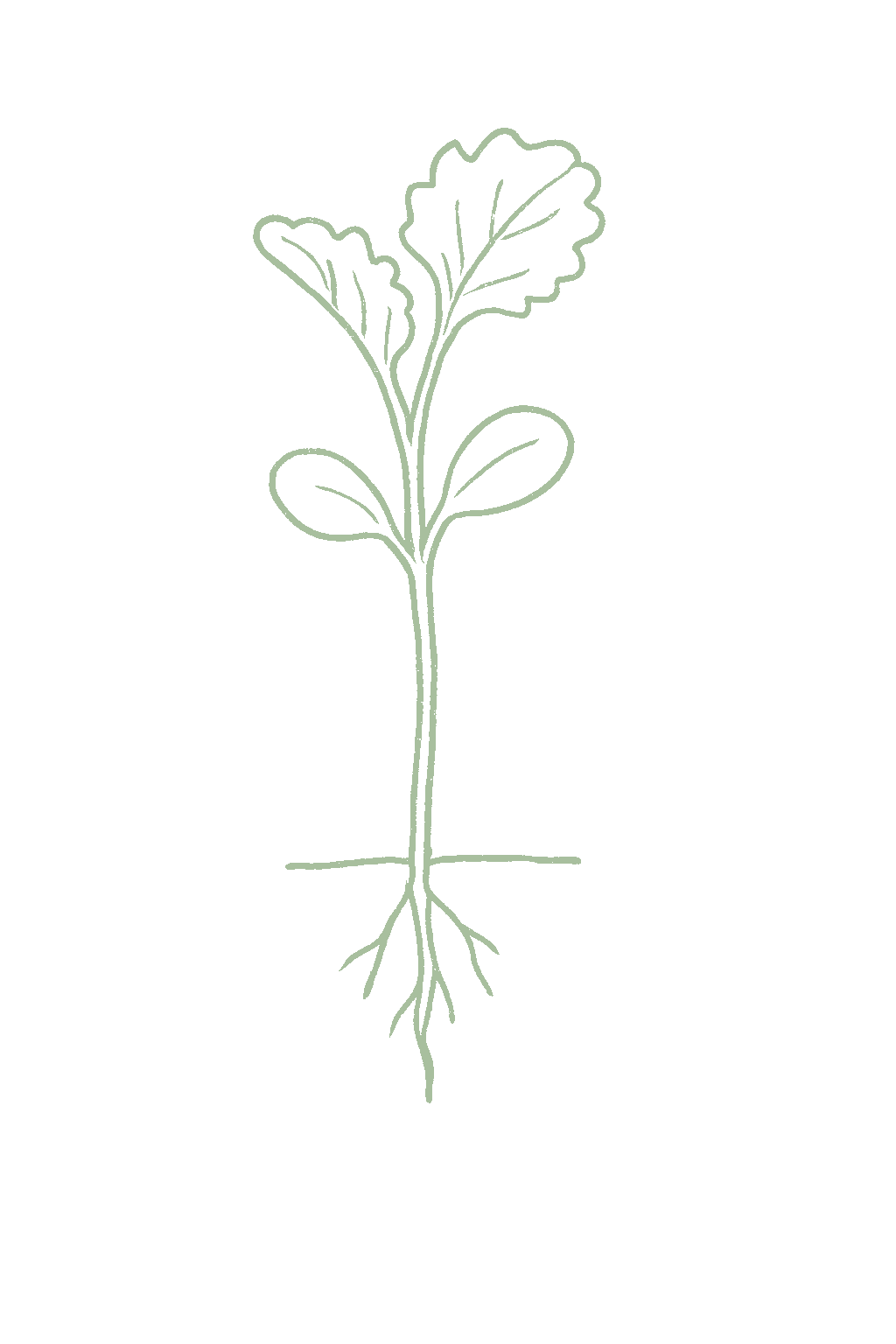
In about 5 to 10 days, your seeds sprout and push up their first two little leaves (the seed leaves).Seeds sprout in about 5 to 10 days at soil temperatures of roughly 45 to 85°F, pushing up two seed leaves (cotyledons).
Keep the soil damp. Once the first real kale leaves appear after the seed leaves, thin crowded seedlings.Keep the seedbed or starting mix evenly moist; thin or pot up once the first true leaves appear.
FROM PLANT · Plant the seeds about a quarter to half an inch deep in damp soil, and keep it evenly moist while they sprout in 5 to 10 days.Sow about 0.25 to 0.5 inch deep into a moist seedbed or starting mix; kale germinates reliably across 45 to 85°F in about 5 to 10 days.
FROM PLANT · Start seeds indoors about a month before planting out, or just sow them in the garden once the soil can be worked.For a spring crop start indoors about 4 to 5 weeks before set-out, or direct sow as soon as the soil is workable; kale tolerates cool soil.
02
Seedling
Days 10-30
The seedlings grow their real, slightly frilly leaves and a stronger stem. They are ready to move outside at about 4 to 5 weeks old.Young plants develop true leaves and a sturdy stem; kale transplants are ready at about 4 to 5 weeks. Flea beetles are the main seedling threat.
If you grew transplants, harden them off over about a week before planting out. Watch for flea beetle shot-holes on the young leaves.Harden off over 7 to 10 days before setting out; protect seedlings from flea beetles with row cover.
FROM PLANT · Space plants about 12 to 18 inches apart for big plants, or about 4 inches apart if you only want baby leaves.Transplant or thin to about 12 to 18 inches apart for full plants, or 4 inches for baby-leaf harvest; harden transplants off over 7 to 10 days.
FROM PLANT · Cover young plants with a light row cover to stop flea beetles from peppering the leaves with holes.Protect seedlings from flea beetles with row cover; a vigorous, well-watered seedling outgrows light feeding damage.
03
Established
Days 28-50
The plant grows into an upright rosette of big leaves. This is when it builds the frame that you will harvest from for months.The plant builds an upright rosette of large leaves over several weeks, laying down the productive frame.
Feed with nitrogen and keep it evenly watered so the leaves stay tender. Check for aphids in the leaf crinkles and caterpillars on the undersides.Side-dress with nitrogen, keep moisture even for tender leaves, and scout for aphids and cabbageworms while the frame fills out.
FROM PLANT · Feed with nitrogen and water steadily, about 1 to 1.5 inches a week, so the leaves stay tender and mild.Side-dress nitrogen as the rosette builds and keep moisture even at roughly 1 to 1.5 inches per week; drought stress toughens and embitters the leaves.
FROM PLANT · Check inside the curled leaves for aphids and under the leaves for green caterpillars, and deal with them early.Scout the leaf crinkles and growing tips for cabbage aphids and the undersides for caterpillars; catching them early keeps the harvested leaves clean.
04
Harvest
Days 50-65
Once the outer leaves are about hand-sized, start picking. Take the lowest, outside leaves and leave the center to keep growing, so the plant gives leaves for months.Outer leaves reach usable size at about 50 to 65 days (baby leaf around 25 to 30 days); harvest cut-and-come-again, taking the lowest leaves and leaving the growing point.
Pick the outer leaves regularly, never stripping more than about a third at once. Feed lightly after a big harvest. The leaves taste sweeter after frost.Crop the outer leaves regularly to keep new growth coming, side-dress lightly after heavy picking, and expect the best flavor after a frost.
FROM PLANT · Pick the outside leaves when they are big enough, and leave the center growing, so the same plant keeps making leaves for a long time.Crop the outer leaves once they reach usable size, taking no more than about a third of the plant so the central growing point keeps producing for months.
FROM PLANT · Kale tastes sweeter after frost, and you can keep picking even after the leaves have frozen in cool weather.Leaves are sweetest after a frost or two; in cool weather you can keep harvesting straight from the garden even after the foliage has frozen.
05
Overwintering
Days 90-240
As cold sets in, kale keeps going. In mild areas you harvest right through winter; in cold areas the plant may rest under snow or cover and may regrow, then send up a flower stalk (bolt) in spring.Kale is among the hardiest garden vegetables: mature plants tolerate hard frost and into the low-to-mid 20s°F, sweetening as starch converts to sugar. In mild zones it crops through winter; in cold zones it overwinters under cover and resumes, then bolts as spring warms and days lengthen.
In mild zones, keep picking through winter. In cold zones, protect plants with a row cover or low tunnel. When spring warmth makes the plant bolt, harvest what is left, since the leaves turn bitter once it flowers.Harvest through winter in mild zones; use row cover or low tunnels in cold zones. Once the plant bolts in spring, harvest remaining leaves promptly, as flavor turns bitter, and pull it to make room.
FROM PLANT · In mild areas keep picking all winter. In cold areas, cover the plants to keep harvesting longer, and grow hardy kinds like Winterbor or Siberian.In mild zones keep cropping through winter; in cold zones a low tunnel or row cover extends the harvest, and the hardiest curly and Siberian types take the most cold.
FROM PLANT · In spring, kale that lived through winter will send up a flower stalk and turn bitter, so pick the last good leaves before that happens.Watch for spring bolting as warmth and long days return: harvest remaining leaves before the flower stalk elongates, since the leaves turn bitter once the plant flowers.
Beginner
Know your soil

Your soil

Identify yours

Not sure what soil you have? Grab a small handful of damp soil from your garden bed and squeeze it. If it crumbles apart easily, it's sandy. If it holds together but breaks when you poke it, it's loam (what most vegetables want). If it stays in a hard, slippery ball, it's clay.

What this crop wants

Kale likes rich, loose soil that holds moisture but still drains well. Mix in plenty of compost before planting. It is not fussy and grows in most garden soils, but it does best when the soil is fertile and never bone dry or waterlogged.

If your soil doesn't match

You have sandy soil

Mix 2-3 inches of compost into the top 6 inches of your bed before planting. Compost holds moisture (which sandy soil drains too fast) and adds the nutrients sandy soil tends to lack. Repeat each season. Compost breaks down over time.

You have clay soil

Mix 2-3 inches of compost AND a few inches of coarse sand or perlite into the top 6 inches of your bed. The compost feeds the plants; the sand breaks up the clay so air and water can move through. Don't add sand without compost. It can compact like concrete.

Containers and raised beds

If amending your soil sounds like too much work, or if your soil is heavy clay, full of rocks, or contaminated, build over it. A raised bed at least 12 inches deep filled with a 50/50 mix of compost and sandy loam gives you ideal growing soil with no battles. A 5-gallon container with quality potting mix does the same for one plant at a time. Both bypass your native soil entirely.

Learn more about your soil
The specs

Care guide

The numbers that matter, at a glance.

Sunlight
Full sun · 6-8 hrs/day
Water
Regular
Spacing
12-18 inches
Soil
loam, sandy loam
Days to maturity
50-65 days from transplant
Soil pH
6 to 7
Container OK?
Yes · 3+ gal pot
Germination temp
45-85°F
Soil chemistry

Soil pH for kale

Preferred
6 to 7
Tolerated
5.5 to 7.5

Kale grows best in soil that is slightly acidic to neutral, around 6.0 to 7.0. A simple soil test tells you where you stand. If you have had clubroot, keeping the soil closer to neutral helps.Aim for a soil pH of about 6.0 to 7.0; kale still does fine across a wider 5.5 to 7.5 band. Holding the soil toward neutral, roughly 6.8 to 7.2, also helps suppress clubroot, a key brassica soil disease, so a grower with clubroot history should lean to the high end.

Verified · 2 sources View
Steady hand on the hose

Watering

When & how much
Frequency
Water regularly so the soil stays evenly moist, roughly 1 to 1.5 inches a week.Give about 1 to 1.5 inches weekly, kept even through the season.
Amount
Aim for roughly 1 to 1.5 inches of water a week.About 1 to 1.5 inches per week, a little more in hot, dry spells.
Method
Water at the base of the plant rather than over the leaves.Water at the soil line with drip or a soaker hose where possible.
Signs of trouble
Too much water
Lower leaves yellow and the plant looks soggy and limp.Yellowing lower leaves and limp, soft growth; kale dislikes waterlogged soil and can rot at the crown.
Too little water
Wilting leaves that turn tough and bitter.Wilting, slowed growth, and tough, bitter leaves; drought stress hurts leaf quality and invites pests.
Feeding rhythm

Feeding

Frequency
every 4 to 6 weeks
Type
Nitrogen-rich fertilizer
When to start
starter at transplanting, then side-dress after cutting leaves

Kale needs regular feeding to keep making tender leaves. Give it a feed when you plant it, again about 4 weeks later, and a light feed after each big harvest so it grows fresh leaves. Do not overdo it, since too much fertilizer makes soft growth that bugs love.Kale is a leafy crop that needs steady nitrogen for tender, dark green leaves. Use a starter fertilizer at transplanting, then side-dress with nitrogen about 4 weeks later, and feed again with a light dose of nitrogen after each heavy cutting of leaves to push new growth. Its nutrient demand is moderate rather than extreme, so avoid overdoing nitrogen, which softens growth and draws aphids.

N · P · K = 21-0-0

Use a nitrogen-rich feed such as blood meal or a balanced vegetable fertilizer.High N for leafy growth; e.g. 21-0-0 side-dress or blood meal. Starter feed at transplant, then a light nitrogen feed after each cutting.

Try Blood meal, 21-0-0, or a balanced vegetable fertilizer
Who grows well together

Companion planting

Kale does well next to aromatic herbs, onions, and quick cool-season crops like lettuce and beets. The main thing is to keep it away from other cabbage-family plants, which share its pests and diseases. Most kale companion pairings are traditional rather than research-tested. The ones worth acting on are practical: aromatic herbs and alliums as scent-based deterrents against cabbage pests, and lettuce, spinach, or beets as cool-season interplants that use space and light while kale is small. The well-grounded caution is to separate kale from other brassicas, which share clubroot and the whole cabbage-family pest complex, a rotation and disease principle more than a tested adjacency effect.

Other
Onions
Onions are a traditional neighbor for kale; their strong smell is said to help confuse and deter cabbage pests.Onions are one of the better-supported brassica companions. Their pungent allium scent helps mask the kale from cabbage-family pests, loopers, cabbageworms, and root maggots, that hunt partly by smell, and extension trial work including onion in a mix with cole crops showed reduced caterpillar damage. Alliums are shallow-rooted and undemanding, so they tuck around kale without competing for much. Research-backed
Dill
Dill is a classic friend for cabbage-family plants. Its strong smell is said to put off pests, and its flowers bring in helpful insects.Dill works for kale mainly through beneficial insects. Its umbel flowers attract parasitoid wasps and predators like hoverflies and ladybugs that prey on the aphids and cabbage caterpillars kale draws, and extension work pairing aromatic umbels with brassicas has shown reduced caterpillar damage. Let some dill flower for the benefit, and site it nearby rather than crowding the kale. Research-backed
Lettuce
Lettuce grows fast and low, so you can tuck it between young kale plants to use the space while the kale fills in.Lettuce and kale interplant well on structure and timing rather than chemistry. Lettuce is shallow-rooted and quick, kale taller and slower, so the lettuce uses the open ground and light between young kale plants and is harvested before the kale spreads. Expect an efficient use of the bed, not pest protection. Traditional
Vegetable
Beets
A cool-season root that shares kale's window and works the lower soil while kale feeds higher up. A traditional, space-efficient pairing rather than a tested effect. Traditional
interplant nearby
Trap crop
Nasturtiums
Often planted as a trap crop for cabbage aphids near brassicas. Trap cropping is a documented principle but works best for moderately mobile pests and is not a tested kale-nasturtium pairing, so treat it as a plausible aid rather than a proven control. Well-grounded
interplant nearby
Herb
Aromatic herbs (thyme, mint, sage)
Strongly scented herbs are a long-standing brassica companion, thought to mask the crop from cabbage moths and aphids that locate hosts by smell. Folk practice with partial mechanistic support rather than a measured kale-specific benefit. Traditional
interplant nearby
Keep apart from
Other brassicas Keep kale away from other cabbage-family plants like broccoli, cabbage, collards, and cauliflower. They share the same pests and diseases, so planting them together makes problems worse.Planting kale cheek-by-jowl with its brassica relatives, broccoli, cabbage, cauliflower, collards, Brussels sprouts, concentrates the whole family's shared pests (cabbage worms, loopers, flea beetles, harlequin bugs, root maggots) and shared diseases in one spot, and repeated same-family planting lets soil-borne clubroot build up. Spread brassicas out and rotate where they grow each year. Well-grounded
Strawberries A traditional caution that brassicas and strawberries inhibit each other. There is no documented mechanism or T1 support; it persists as folklore. Traditional
Provenance tagged inline · see methodology for the labeling system Key
Harvest signals

When to pick

Begin picking when the outer leaves are big enough to use, about the length of your hand: small baby leaves in about a month, full leaves in roughly 2 months. Take the lowest, outside leaves first and leave the small center leaves to keep growing, so the same plant feeds you for months. Do not strip the whole plant at once. Keep picking right through fall, and know that the leaves taste sweetest after frost, so you can harvest even when it is cold out.Start picking once the outer leaves reach a usable size, about hand-length: baby leaves in roughly 25 to 30 days, full-size leaves in about 50 to 65 days. Harvest with the cut-and-come-again method, snapping or cutting the lowest, outermost leaves and leaving the central growing point and young inner leaves to keep producing. Avoid stripping more than about a third of the plant at once. Picking continues for months and runs right through fall frosts; the leaves are sweetest after a frost or two, so in cool weather you can harvest straight from the garden even after the leaves have frozen.

Verified · 2 sources View
Yield

What to expect

Each kale plant gives you a steady supply of leaves over months, not one big harvest. How much you get depends on the variety and how long your season is, but a row of plants keeps producing for a long time.A single kale plant yields a steady run of outer leaves over a long season rather than one harvest, roughly 0.5 to 1 pound or more per plant depending on variety, season length, and how often you crop it. Extension yields run about 5 to 10 pounds per 10 feet of row.

Kale produces the most once the plant is full-sized, and it keeps going strongest in cool fall weather and, in mild areas, through winter. It slows down in summer heat and stops once it flowers in spring or a hard winter freeze finishes it.Production climbs as the plant sizes up and then holds for weeks to months as you crop the outer leaves, peaking in the cool weeks of fall and, in mild zones, through winter. Output slows in summer heat (where the crop is even grown then) and ends when the plant bolts in spring or a deep freeze kills it. Here is the trick: pick the outer leaves often, but always leave the small center leaves to keep growing. Regular picking keeps a plant making leaves for months. Do not take the middle of the plant, and do not let old leaves just yellow and rot.The key to total yield is cropping the outer leaves regularly while leaving the central growing point: frequent, moderate picking keeps a plant productive for months, whereas stripping a plant bare or letting old leaves yellow checks it. New growers often pick too timidly or harvest the center, which stalls the plant.

What changes yield
Harvest method: regular cut-and-come-again cropping of outer leaves (leaving the growing point) sustains months of production; taking the center or stripping the plant ends it.Temperature: cool weather through fall and mild winters gives the highest-quality, sweetest leaves; summer heat toughens and embitters them and can cause bolting.Variety: hardy curly and Siberian types crop longest into cold and overwinter best; tender flat types are faster but less cold-durable.Nitrogen and even moisture: steady nitrogen and consistent water keep new leaves tender; stress makes them tough, bitter, and aphid-prone.
Verified · 2 sources View
Pick your variety

Recommended varieties

Winterbor and Dwarf Siberian are easy, very hardy choices, great for a fall or winter crop. Red Russian is tender and fast, nice for salads. Lacinato (Dinosaur kale) is popular for cooking but is the least cold-hardy, so cover it when it gets really cold.Match the variety to the slot and the climate. For fall and overwintering, lean on the hardiest types: Winterbor, Improved Dwarf Siberian, and Red Russian shrug off hard frost, while Lacinato is the least cold-hardy and wants protection. Curly types (Winterbor, Vates, Redbor) hold texture and color in cold; flat types (Lacinato, Red Russian) are more tender for fresh eating. Where clubroot or other brassica diseases are a concern, look for resistant cultivars.

Lacinato (Dinosaur / Tuscan)
Flat, strap-like dark blue-green leaves with a heavily savoyed texture; a popular gourmet type. The least cold-hardy of the common kales, so give it row cover at the cold end of the season.
Winterbor
A very cold-hardy curly blue-green hybrid; a top pick for fall and overwintering because it holds up through hard freezes.
Red Russian
Tender, flat, oak-leaf-shaped leaves with purple veins; fast and very cold-hardy, good for baby leaf and salads. A favorite of swede midge, so watch for it in the North.
Dwarf Blue Curled Scotch (Vates)
A compact, hardy curly heirloom that holds well in cold and is a dependable, space-saving garden standard.
Redbor
A striking deep-purple curly hybrid, ornamental as well as edible, and cold-hardy with color that deepens in the cold.
Improved Dwarf Siberian
Broad, mildly frilled blue-green leaves on a hardy, vigorous, heat- and cold-tolerant plant; one of the most forgiving kales for beginners.
Off the vine

Storing your harvest

Room temp
Do not leave kale out on the counter. It wilts and yellows fast in the warmth, so get it into the fridge soon after picking.Kale wilts and toughens at room temperature and its leaves yellow within a day or two, so do not leave it out. Refrigerate as soon as possible after cutting; if it must sit out briefly, stand the stems in water like cut flowers.
Fridge
Store kale unwashed in a loose bag in the fridge's crisper drawer, where it stays good for about a week, sometimes up to 2 weeks if very cold. Wait to wash it until you are ready to cook.Refrigerate unwashed in a loose or perforated bag in the crisper; kale holds its quality for roughly 1 week, and up to about 2 weeks held near 32°F at high humidity. Washing before storage traps moisture and speeds spoilage.
Freezer
Kale freezes well if you blanch it first. Strip the leaves off the stems, boil them for 2 to 3 minutes, cool them right away in ice water, drain, and freeze.Kale freezes well once blanched: strip the leaves from the stems, blanch about 2 to 3 minutes in boiling water, cool quickly in ice water, drain, and freeze. Blanching halts the enzymes that otherwise cause off-flavors and loss of color in storage.
Verified · 2 sources View
When something goes wrong

Common problems

01 of 04
What happened Your kale shot up a tall stalk with buds or yellow flowers and the leaves turned bitter. Kale bolts (runs to flower) when heat and long days, or a spring after overwintering, tell it to make seed, and once it bolts the leaves go bitter and tough. People often blame the plant, but it is just its life cycle or the heat. Next time, plan the main crop for cool weather (fall is ideal), and treat an overwintered plant as a spring bonus you harvest before it flowers.The plant elongated a flowering stalk and the leaves turned bitter and tough. Bolting is driven by heat and lengthening days, or by vernalized overwintered plants flowering in spring; once it bolts, leaf quality is lost. Growers often plant too late into spring heat. Next time time the main crop for the cool side of the season, favor fall and overwintering crops, and crop overwintered plants out before the stalk elongates. Next season Grow kale to mature in cool weather, lean on fall and winter crops, and harvest overwintered plants before they bolt in spring.Time the crop for cool weather, favor fall and overwintering plantings, and harvest overwintered kale before it bolts.
02 of 04
What happened Your kale leaves are tough, leathery, and bitter instead of tender. This usually comes from summer heat, from the plant drying out, or from leaving leaves on too long so they age. It is tempting to think the variety is bad, but conditions are almost always the cause. Next time, keep the soil evenly moist, grow kale in the cool seasons, pick leaves while they are young to medium-sized, and remember that frost actually sweetens them.Leaves are tough and bitter rather than tender. Heat, drought stress, and over-mature leaves are the usual causes; kale's flavor is best in cool weather and is sweetened by frost. Next time hold even moisture, schedule the crop for cool conditions, crop leaves at a young-to-medium size, and lean on the fall/winter window. Next season Keep moisture steady, grow in cool weather, pick leaves young, and enjoy the post-frost sweetening.Hold even moisture, grow in cool weather, crop leaves young, and use the fall and winter window for the sweetest leaves.
03 of 04
What happened You found dense clusters of small gray-green insects tucked deep in the crinkles of the leaves, hard to wash out. Cabbage aphids love kale and hide in the leaf folds, and they breed fastest on soft growth from too much nitrogen. People often miss them until harvest. Next time, scout the growing tips and leaf crinkles weekly, blast or wash colonies off early, avoid overfeeding nitrogen, and welcome ladybugs and lacewings.Dense cabbage-aphid colonies lodged in the leaf crinkles, very hard to clean at harvest. The waxy gray-green cabbage aphid specializes on brassicas and favors the soft growth that excess nitrogen produces. Next time scout tips and crinkles weekly, dislodge colonies early with a water jet or insecticidal soap, avoid overfeeding nitrogen, and conserve natural enemies; curly types are the hardest to clean, so stay ahead of them. Next season Scout weekly, knock off colonies early, go easy on nitrogen, and encourage beneficial insects.Scout weekly, dislodge colonies early, moderate nitrogen, conserve beneficials, and prefer flatter leaves where aphids are chronic.
04 of 04
What happened Your kale stayed small and yellowish, wilted in the afternoon, and when you dug it up the roots were swollen into lumps. That is clubroot, a soil disease that infects cabbage-family roots and lasts for years in the soil. It usually builds up when brassicas are grown in the same spot repeatedly. Next time, rotate so cabbage-family crops do not return to that bed for at least 3 years, keep the soil pH near neutral, and improve drainage.Plants were stunted and chlorotic, wilted by day, and showed galled, clubbed roots, the signature of clubroot (Plasmodiophora brassicae). The soilborne organism persists for years and builds under repeated brassica cropping and acidic, poorly drained soil. Next time rotate cabbage-family crops out for at least 3 years (longer where known), lime toward a neutral-to-slightly-alkaline pH, and improve drainage; there is no in-season cure. Next season Rotate brassicas out of that bed for at least 3 years, keep soil pH near neutral, and improve drainage.Use a 3-year-plus brassica rotation, raise pH toward neutral, and improve drainage; remove and destroy infected plants.
The usual suspects

Pests & diseases

Pests
Cabbageworms and cabbage loopers
P · 01
Symptoms You'll see ragged holes eaten in the leaves, green caterpillars on the plant, and little dark droppings. Some caterpillars loop up in the middle as they crawl.Ragged holes chewed through the leaves, with green caterpillars and dark frass on the foliage. Imported cabbageworms are velvety green; cabbage loopers move in a looping arch; diamondback larvae are small and wriggle when disturbed. Cause These are caterpillars that hatch from eggs laid by white butterflies and small moths. They love cabbage-family plants like kale and chew the leaves, which are the part you eat.The larvae of the imported cabbageworm, cabbage looper, and diamondback moth feed on brassica foliage; the adults are white or brownish butterflies and moths that lay eggs on the leaves. Because kale is harvested as leaves, even modest feeding damages the crop. Organic treatment Spray a product called Bt, which is safe and targets only caterpillars, or pick the caterpillars and eggs off by hand from under the leaves. Spray again after rain, since it washes off.Spray Bt (Bacillus thuringiensis) or spinosad, which target caterpillars, and hand-pick larvae and eggs from leaf undersides. Repeat after rain, since Bt breaks down. Prevention Cover plants with a light fabric row cover right after planting to keep the butterflies and moths from laying eggs. Clear away old cabbage-family plants, and watch for the first white butterflies as your signal to act.Use floating row cover from transplanting to exclude the egg-laying adults, clean up brassica debris that shelters pupae, and scout for the first white butterflies as a spray cue.
Aphids
P · 02
Symptoms You'll see clusters of tiny soft insects on the new growth and tucked into the curled leaves, often a waxy gray-green kind. Leaves curl and pucker, and there may be a sticky coating.Clusters of small soft-bodied insects on growing tips and leaf undersides; the waxy gray-green cabbage aphid is especially troublesome because it lodges in the crinkles and curls of kale leaves and is very hard to wash out at harvest. Cause Aphids are tiny insects that suck juice from the plant. They breed fast and hide deep in kale's crinkled leaves, where they are hard to wash out.Several aphid species, notably the cabbage aphid, suck sap from kale; they multiply quickly and their feeding distorts growth and contaminates the harvested leaves. Organic treatment Blast them off with a strong spray of water, or use insecticidal soap or neem oil, making sure to hit under the leaves and into the crinkles where they hide. Repeat every few days.Knock colonies off with a strong jet of water, or spray insecticidal soap or neem, covering leaf undersides and the leaf crinkles; repeat every few days. Curly-leaf varieties are hardest to clear, so catch infestations early. Prevention Welcome helpful bugs like ladybugs and lacewings that eat aphids, don't overdo the nitrogen fertilizer (lush growth attracts them), and check the new growth often.Encourage natural enemies like ladybugs and lacewings, avoid overfeeding nitrogen (which spurs the soft growth aphids favor), and inspect growing tips early so colonies do not lodge in the leaves.
Flea beetles
P · 03
Symptoms Lots of tiny round holes in the leaves of young plants, made by small dark beetles that jump away like fleas when you get close. Bad damage can stunt seedlings.Tiny round shot-hole pits chewed in the leaves of young plants; the small dark beetles jump like fleas when disturbed. Heavy feeding stunts or kills seedlings and scars the leaves of a leaf crop. Cause Flea beetles are small jumping beetles that chew on young cabbage-family leaves. They hurt seedlings most, because a tiny plant can't grow fast enough to recover.Flea beetles chew the foliage of young brassicas and are most damaging at the seedling stage; on kale they also leave cosmetic shot-holes in the harvested leaves. Organic treatment Cover young plants with a row cover, and if there are a lot of beetles, use a spray such as spinosad or a kaolin clay coating. The main goal is to get the seedlings big enough to handle it.Protect seedlings with row cover, and spray spinosad or apply kaolin clay if pressure is high; the goal is getting plants past the vulnerable seedling stage. Prevention Cover seedlings with row cover from the start, keep them strong with steady water and food so they grow past the damage, and pull nearby weeds in the cabbage family.Use row cover from sowing or transplanting, keep seedlings vigorous with even water and feeding so they grow through the damage, and clean up weedy brassica relatives nearby.
Cabbage root maggot
P · 04
Symptoms New transplants wilt and grow badly or fall over. If you pull one up, you'll find small white maggots eating the roots. It's worst in cool, wet spring soil.Transplants wilt, grow poorly, and may collapse; pulling a plant reveals small white maggots tunneling in the roots and lower stem. Damage is worst in cool, wet spring soil. Cause A small fly lays eggs at the base of the plant, and the maggots that hatch burrow down and eat the roots. The fly is most active in cool spring weather.The larvae of the cabbage root fly tunnel into brassica roots; the adult lays eggs at the stem base, and the maggots feed on the roots below, sometimes killing young plants. Organic treatment Once the maggots are in the roots you can't save that plant, so pull and throw away the badly damaged ones. Put your effort into protecting the rest from new eggs.There is no effective rescue once maggots are in the roots; remove and destroy badly affected plants and protect the rest from further egg-laying. Prevention Put a small collar or disk around the base of each transplant to stop the fly from laying eggs there, or use a row cover. Don't plant into cold, soggy soil, and avoid spots where you grew cabbage-family plants last year.Place a collar or disk around the stem base at transplanting to block egg-laying, or use row cover; avoid planting into cold, wet soil and rotate away from where brassicas grew.
Harlequin bug
P · 05
Symptoms Shield-shaped black-and-orange (or black-and-red) bugs on the leaves, which develop white or yellow spots, then brown and look tattered. It's mostly a warm-region problem and loves kale.Shield-shaped bugs up to about 3/8 inch, brightly black-and-yellow or black-and-red, feeding with piercing-sucking mouthparts that leave white stipples; affected leaves brown and look tattered, and heavy feeding wilts and deforms plants. A warm-region pest that prefers kale, mustard, and collards over other cole crops. Cause The harlequin bug is a colorful stink-bug relative that pierces the leaves and sucks the juices, leaving pale blotches. It strongly prefers cabbage-family plants like kale, mustard, and collards, especially in the South.The harlequin bug (Murgantia histrionica) is a brassica-specialist stink bug, most damaging in the southern United States, where it completes two to four generations a year and overwinters as an adult in debris and weeds. Organic treatment Search out and crush the bugs, their eggs (little barrel-shaped eggs in rows), and young ones by hand. Use a row cover to keep them off, pull out badly infested plants, and clear away weeds and old plants where they hide over winter.Hand-pick and crush adults, nymphs, and the barrel-shaped egg rows; exclude with floating row cover; remove heavily infested plants. Pyrethrins are permitted in organic production if pressure is severe. Prevention Clean up garden debris and cabbage-family weeds where the adults overwinter, use row cover, and consider a trap crop of mustard or an early kale planting to lure them away from the main crop, then destroy it.Eliminate overwintering sites by removing crop debris and crucifer weeds, use row cover, and deploy an early trap crop of mustard, kale, or rapeseed to divert overwintering adults, then destroy it before the main crop is set out.
Diseases
Clubroot
D · 01
Symptoms Plants wilt in the afternoon, stay small and yellowish, and don't bounce back. If you dig one up, the roots are swollen into lumpy, club-shaped knobs.Plants wilt in the heat of the day, grow stunted and yellowed, and recover poorly; roots are swollen into distorted clubs and galls instead of normal fine roots. Cause A germ that lives in the soil infects the roots of cabbage-family plants and makes them swell, which stops the plant from taking up water and food. It stays in the soil for years.A soilborne organism (Plasmodiophora brassicae) infects brassica roots and causes the galls, which block water and nutrient uptake. It persists in soil for many years and spreads in contaminated soil and water. Organic treatment There's no cure once a plant has it, so pull and destroy infected plants. Adding lime to make the soil less acidic (closer to neutral) helps hold it back, and growing cabbage-family plants only rarely in that spot starves the germ out.There is no cure once plants are infected; remove and destroy them. Raising soil pH toward 7.0 or above with lime can suppress the disease, and long rotations starve it out over time. Prevention Don't grow kale or its cabbage-family relatives in the same spot more than once every 3 years, or longer if you've had clubroot. Keep the soil from being too acidic, improve drainage, and clean soil off your tools.Rotate brassicas on a cycle of at least 3 years, and longer where clubroot is known; keep soil pH up, improve drainage, and avoid moving infested soil on tools and boots.
Black rot
D · 02
Symptoms Yellow patches shaped like the letter V appear at the leaf edges, pointing inward, with black veins inside them. It can spread through the plant and rot the leaves you want to eat.Yellow, V-shaped lesions spread inward from the leaf margins, with the veins inside the V turning black; the disease moves through the vascular system and can blacken and rot the harvested leaves. Cause A bacteria that often comes in on infected seeds or transplants. It gets into the leaves and travels through the plant's veins, spreading fastest in warm, wet weather.A seedborne bacterium (Xanthomonas campestris) that enters through leaf pores and wounds and moves through the plant's veins; it spreads in warm, wet conditions and on infected seed or transplants. Organic treatment There's no real cure, so remove and destroy infected plants to keep it from spreading. Don't handle or brush against the plants while they're wet, because that spreads the bacteria.There is no effective cure; remove and destroy infected plants. Avoid working among plants when foliage is wet, since that moves the bacteria. Prevention Begin with clean, certified seed and healthy transplants, don't plant where cabbage-family crops grew recently, space plants for good airflow, and avoid overhead watering.Start with clean, certified seed and healthy transplants, rotate away from brassicas, give plants room for airflow, and avoid overhead watering and handling wet foliage.
Downy mildew
D · 03
Symptoms Pale yellow blotches on top of the leaves, with fuzzy grayish growth on the underside, mostly in cool, damp weather. Bad cases discolor the leaves.Pale yellow patches form on the upper leaf surface with a fuzzy gray-white growth underneath, mainly in cool, damp weather; severe infection discolors and downgrades the leaves. Cause A mold-like disease that loves cool, wet, humid weather and spreads through the air and water. Wet leaves and crowded plants make it worse.A fungus-like organism that thrives in cool, wet, humid conditions and spreads by spores in water and air; long leaf wetness and crowded plantings favor it. Kale's cool-season window overlaps the weather it likes. Organic treatment Open up the airflow so leaves can dry, remove the worst leaves, and use a copper spray if it's spreading. It's hard to stop once the weather stays damp.Improve airflow and let foliage dry, remove badly affected leaves, and apply a copper-based fungicide if pressure is high; the disease is hard to stop once humidity stays high. Prevention Space plants so air moves between them, water at the soil instead of from above, and pick resistant varieties if downy mildew is common where you live.Space plants for good air movement, water at the soil line rather than overhead, and choose resistant varieties where downy mildew is common.
Alternaria leaf spot
D · 04
Symptoms Small dark spots on the leaves that grow into round patches with concentric rings, like a tiny target. Bad cases make the leaves yellow and unusable.Small dark lesions enlarge into circular spots with characteristic concentric rings (a target-spot look) and a yellow halo; because the leaves are the crop, even moderate spotting reduces the harvest. Favored by warm, wet conditions. Cause A fungus that spreads in warm, wet weather and infects the leaves, leaving target-like spots. It's worse on stressed plants and in crowded, damp plantings.Fungi in the genus Alternaria (with Cercospora causing a similar leaf spot) infect brassica foliage, spreading by spores in wind and splashing water; infected seed, crop debris, and long leaf wetness drive it. Organic treatment Remove and destroy badly spotted leaves, improve airflow so leaves dry quickly, and use a copper spray if it spreads. Avoid wetting the leaves when you water.Remove and destroy spotted leaves and debris, improve airflow, avoid overhead watering, and apply a copper-based fungicide if pressure is high. Prevention Start with clean seed, rotate away from brassicas, space plants for airflow, water at the soil line, and keep plants healthy so they resist infection.Use clean, disease-free seed, rotate away from brassicas, space for airflow, water at the soil line, and clear crop debris that harbors spores.
Verified · 4 sources View
Seasoned
Where to plant next year

Crop rotation

Do not plant kale or other cabbage-family crops in the same spot year after year. Waiting at least 3 years between them, and longer if you have had clubroot, helps avoid soil diseases.Rotate so kale and its brassica relatives do not return to the same ground for at least 3 years, and longer where clubroot is present, since the clubroot organism persists in soil for years. The University of Minnesota advises not growing cole crops in the same spot for the past four years. Keeping soil pH near neutral also helps suppress clubroot.

Family
Brassica family (Brassicaceae), the cole crops
Years between
3 years
in the same bed
Avoid following
Other cabbage-family crops like broccoli, cabbage, cauliflower, collards, and turnips.Other brassicas (broccoli, cabbage, cauliflower, collards, Brussels sprouts, kohlrabi, turnip, radish, mustard), which share clubroot and cabbage-family pests.
Plant after
Legumes such as beans and peas, or unrelated crops like tomatoes, squash, or onions.
Verified · 2 sources View
In the app · pre-launch

When plant taps you on the shoulder

The plant app sends a timely reminder at every critical moment of your kale season. The wording adjusts to whichever you pick: beginner or seasoned. Here are three you'll see in Zone 12.

p
plant
NaN days after last frost
Time to start picking kale leaves
Your kale's outside leaves should be big enough to pick. Take the lowest, outer ones and leave the middle growing, so it keeps making more.
p
plant
NaN days after last frost
Time to feed your kale
Kale likes regular feeding. Give it some nitrogen now, and again after big harvests, to keep tender leaves coming.
p
plant
NaN days after last frost
Frost ahead, your kale will sweeten
Frost is coming, but that is good news for kale: the cold makes the leaves sweeter. You do not need to cover it for a normal frost. Keep picking.
Get personalized alerts.

plant sends the right notification at exactly the right moment, for your zone, your weather, your crops. Founding members lock the rate forever.

Back the Kickstarter →
Ask the gardener

Common questions

Got a question we missed?

We're building this guide with real growers. Got a question we missed? Ask here. We read every one and add the best answers right to this page.

Grown this before?

Share a tip

Learned something the hard way? Pass it on. Real growers' tips make this guide better for the next person, and we credit you by name when yours goes live.

Seasoned
Spot something wrong?

Report a problem

If you've grown this crop and you see a date, a temperature, a companion claim, or a recommendation that doesn't match your experience, tell us. Real growers' corrections make this guide better for the next person.

How we built this guide

Methodology & sources

Every date, temperature, spacing, and recommendation on this page is sourced from university cooperative extension publications, peer-reviewed agricultural research, NOAA climate data, and direct extension calendars. Where claims are softer (traditional gardening wisdom not formally documented), we say so.

Research-backed Documented in cooperative extension publications or peer-reviewed research
Well-grounded A known agronomic principle, but not formally tested for this specific pair
Traditional Time-tested gardening wisdom, limited formal research support
Last reviewed
June 29, 2026
Data version
crops_data_final · v1.0 · schema 2.9
Sources cited on this page
16 publications
Verified entries
Companion-planting claims tagged inline · zone dates verified against 5+ extensions
See all sources cited on this page
  • University of Minnesota Extension umn_ext
  • University of Maryland Extension umd_ext
  • Cornell Cooperative Extension cornell_ext
  • Iowa State University Extension iastate_ext
  • Michigan State University Extension msu_ext
  • NC State Extension ncsu_ext
  • Penn State Extension psu_ext
  • U. of Illinois Urbana-Champaign Extension uiuc_ext
  • UC Davis Postharvest Center ucd_postharvest
  • Texas A&M AgriLife Extension tamu_agrilife
  • Virginia Cooperative Extension 426-331 vce_426_331
  • Piedmont Master Gardeners piedmont_mg
  • UGA Vegetable Garden Calendar uga_calendar
  • Clemson Home & Garden Information Center clemson_hgic
  • UC IPM Statewide IPM Program uc_ipm
  • NOAA 1991-2020 Climate Normals noaa_normals

Growing notes, weekly.

Zone-aware seasonal nudges, what's worth planting now, and the occasional recipe from the harvest. No spam, ever.

Vol. 003 · Kale · plant.lifestyle