Today · in your zone
What's happening right now
Off-season for zucchini / courgette in zone 7.
Tap to switch. plant calibrates to where you are in the journey.
Zucchini is one of the easiest and most productive vegetables you can grow. It is a bushy summer squash that grows fast from seed and gives you tender squash all summer. One or two plants are usually plenty for a household. Each plant makes both male and female flowers, so you only need one plant to get fruit, and bees do the rest. The main things to know: pick the squash while it is still small and glossy, check the plants every day or two at peak, and keep an eye out for pests later in the season. Zucchini is a warm-season summer squash grown for its tender, immature fruit, harvested young before the skin hardens and the seeds mature. Plants are bushy rather than vining, fast from seed, and famously productive: a single plant in good soil can outpace a household at peak. It is monoecious, carrying separate male and female flowers on the same plant, so one plant sets fruit on its own with insect pollination. The two beats that shape a season are pests and pace. Squash vine borer and powdery mildew commonly take down a first planting by midsummer, which is why a second sowing pays off, and fruit sizes up so fast that picking every day or two at peak is the difference between tender squash and baseball-bat marrows.
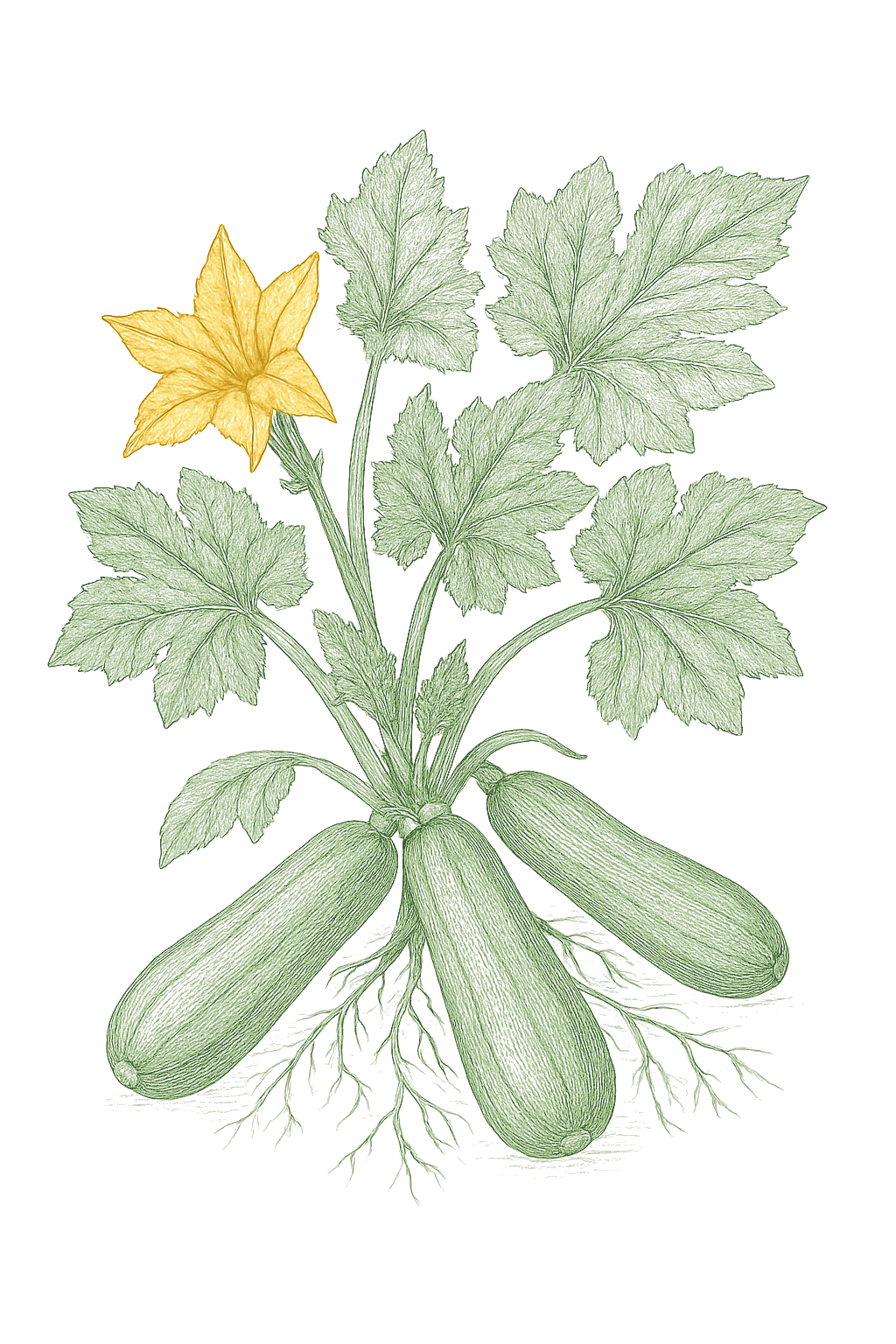
Off-season for zucchini / courgette in zone 7.
In Zone 7, zucchini / courgette can be planted April through July. Harvest runs June through November.
You rarely need more than one or two zucchini plants at a time, and a single planting can feed you for weeks. For a steadier supply, sow a few seeds now and a few more about three weeks later. A second planting in summer is a smart backup, since pests and disease often wear out the first plants by late summer.Zucchini is famous for overwhelming a garden, so resist sowing the whole crop at once. A first sowing after your last frost, then a second about three weeks later, spreads the harvest and keeps vigorous plants coming as the originals tire. The real payoff is late season: squash vine borer and powdery mildew often take down the first planting by midsummer, so a replacement sown in early to midsummer, counting back from your first fall frost so it has time to mature, frequently outproduces the spring crop on cleaner, less stressed plants.
In Zone 7, zucchini / courgette can be planted April through August. Harvest runs June through July.
You rarely need more than one or two zucchini plants at a time, and a single planting can feed you for weeks. For a steadier supply, sow a few seeds now and a few more about three weeks later. A second planting in summer is a smart backup, since pests and disease often wear out the first plants by late summer.Zucchini is famous for overwhelming a garden, so resist sowing the whole crop at once. A first sowing after your last frost, then a second about three weeks later, spreads the harvest and keeps vigorous plants coming as the originals tire. The real payoff is late season: squash vine borer and powdery mildew often take down the first planting by midsummer, so a replacement sown in early to midsummer, counting back from your first fall frost so it has time to mature, frequently outproduces the spring crop on cleaner, less stressed plants.
In Zone 7, zucchini / courgette can be planted April through May, then again July through August. Harvest runs June through July.
You rarely need more than one or two zucchini plants at a time, and a single planting can feed you for weeks. For a steadier supply, sow a few seeds now and a few more about three weeks later. A second planting in summer is a smart backup, since pests and disease often wear out the first plants by late summer.Zucchini is famous for overwhelming a garden, so resist sowing the whole crop at once. A first sowing after your last frost, then a second about three weeks later, spreads the harvest and keeps vigorous plants coming as the originals tire. The real payoff is late season: squash vine borer and powdery mildew often take down the first planting by midsummer, so a replacement sown in early to midsummer, counting back from your first fall frost so it has time to mature, frequently outproduces the spring crop on cleaner, less stressed plants.
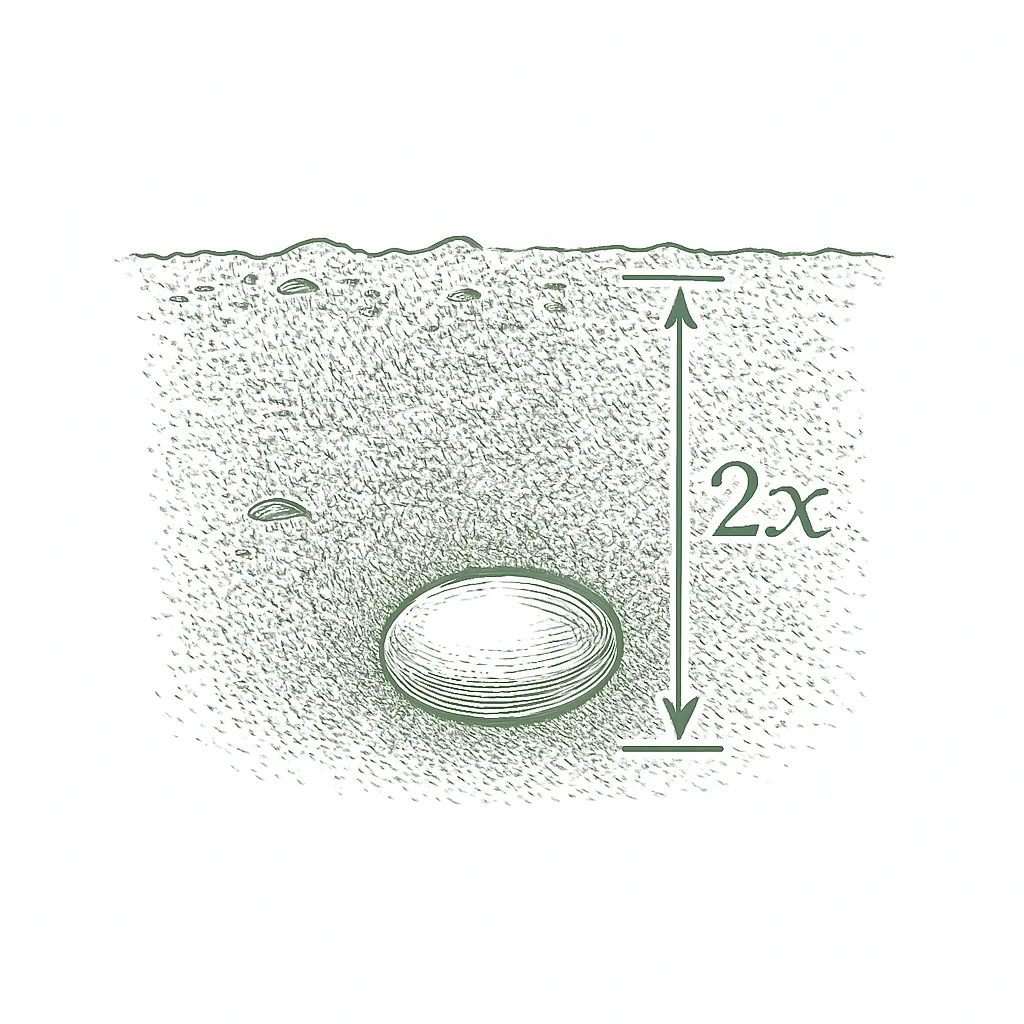
The easiest way to grow zucchini is to sow seeds right where they will grow, once the soil is warm (about 70°F). Squash grows fast and does not transplant happily, so direct sowing usually works best. Start seeds indoors only if your season is short, and move them outside while they are still small.Because squash resents root disturbance, direct sowing once the soil warms past 60°F, ideally 70°F, is the simplest and most reliable method, and direct-sown plants quickly catch up to transplants. Start seeds indoors only to gain two to three weeks in a short season, using larger cells (3 inch or bigger) and setting plants out before the roots circle the pot.











Not sure what soil you have? Grab a small handful of damp soil from your garden bed and squeeze it. If it crumbles apart easily, it's sandy. If it holds together but breaks when you poke it, it's loam (what most vegetables want). If it stays in a hard, slippery ball, it's clay.
Plant zucchini in rich, well-drained soil. Mix a few inches of compost into the bed before you plant, and use raised beds or low mounds if your soil is heavy or stays wet. Good drainage plus plenty of compost gives you healthy, productive plants.
Mix 2-3 inches of compost into the top 6 inches of your bed before planting. Compost holds moisture (which sandy soil drains too fast) and adds the nutrients sandy soil tends to lack. Repeat each season. Compost breaks down over time.
Mix 2-3 inches of compost AND a few inches of coarse sand or perlite into the top 6 inches of your bed. The compost feeds the plants; the sand breaks up the clay so air and water can move through. Don't add sand without compost. It can compact like concrete.
If amending your soil sounds like too much work, or if your soil is heavy clay, full of rocks, or contaminated, build over it. A raised bed at least 12 inches deep filled with a 50/50 mix of compost and sandy loam gives you ideal growing soil with no battles. A 5-gallon container with quality potting mix does the same for one plant at a time. Both bypass your native soil entirely.
The numbers that matter, at a glance.
Zucchini likes soil close to neutral, around pH 6.0 to 6.5, and most garden soil is already in range. If you have never tested your soil, an inexpensive test kit tells you whether you need to adjust it.Zucchini does best in slightly acidic to neutral soil, around pH 6.0 to 6.5. It tolerates a wider band, roughly 5.8 to 7.5, and still produces in mildly alkaline soil, though uptake of iron and manganese tightens as pH climbs. A soil test is the only reliable guide before adding lime or sulfur.
Zucchini needs a moderate amount of feeding, not a lot. The biggest mistake is too much nitrogen, which gives you big leafy plants but fewer squash. Good compost in the soil plus one feeding when flowers appear is usually enough. Keep the plant evenly watered too, since feeding only helps a well-watered plant.Zucchini is a moderate feeder, hungrier than a light crop like beans but well short of a heavy feeder. The main pitfall is too much nitrogen, which drives lush leaves and shy fruiting, sometimes with poor set. A bed enriched with compost plus one balanced side-dressing as the plant comes into flower is usually all it needs. Pair feeding with steady, even moisture, since the nutrients only help if the plant is not also drought-stressed.
Use a balanced fertilizer with equal numbers, like 10-10-10. Avoid high-nitrogen lawn fertilizer.A balanced ratio such as 10-10-10 suits zucchini. Avoid high-nitrogen lawn-type fertilizers, which push foliage at the expense of fruit.
Good companions for squash do one of three things: draw pests away, bring in bees, or feed the soil. Plant a few nasturtiums or marigolds nearby to lure squash bugs off your plants, add flowers like borage to attract the bees that pollinate your squash, and let beans share the bed to enrich the soil. Just give your squash plenty of room, since the plants get big. Squash benefits most from companions that pull pests away, feed beneficial insects, or fix nitrogen, rather than from plants packed in tight. Give sprawling vines their room and use companions as a border or light interplanting. The strongest evidence is for nasturtium, with marigold close behind, reducing squash bug and cucumber beetle pressure, while the Three Sisters trio (corn, beans, squash) earns its place through nitrogen, support, and pest confusion. Pollinator flowers like borage and sweet alyssum matter because squash is insect-pollinated, so anything that keeps bees working improves fruit set. Several herb and flower pairings here are traditional rather than trial-proven, and are labeled accordingly.
Pick zucchini while it is still small, about 6 to 8 inches long, with shiny skin. Round kinds are best picked at about the size of a tennis ball. Zucchini grows surprisingly fast, so check your plants every day or two, it can go from small to oversized in just a couple of days. Cut the stem with a knife instead of pulling. If you leave squash on the plant too long it gets big, tough, and seedy, and the plant slows down. Picking often keeps more squash coming.Pick zucchini young, at 6 to 8 inches long for a standard variety, while the skin is glossy and a thumbnail still dents it easily. Round and patty types are best harvested small as well, roughly tennis-ball to softball size. Fruit sizes up fast in warm weather, often gaining an inch or more a day at peak, so check plants every one to two days. Cut the stem with a knife or shears rather than twisting, leaving a short stub of stem on the fruit. Left too long, squash turns into a dull, seedy marrow with tough skin, and overripe fruit left on the plant signals it to slow new production, so frequent picking keeps a plant cropping.
One zucchini plant produces a lot, usually several pounds over the season. One or two plants are plenty for most families.A healthy plant yields heavily, commonly 6 to 10 pounds of fruit over a season, often more in a long, warm climate. Two plants are plenty for most households, and a single plant at peak can produce more than one family can eat.
At its peak, a zucchini plant makes squash incredibly fast. Pick every day or two, picking often actually keeps more squash coming.At peak in warm weather a plant can set new fruit daily, and squash sizes up so fast that picking every 1 to 2 days is essential. Frequent harvest at this stage actually keeps the plant producing; leaving mature fruit on the vine signals it to slow down. Zucchini is one of the easiest crops for beginners, and the usual surprise is how much you get. Start with just one or two plants.Zucchini is forgiving and productive even for a first-time grower; the usual first-year surprise is not too little but too much. Plant only one or two, and be ready to pick constantly once it gets going.
Zucchini is forgiving, so pick a variety by the space you have. Bush types like Raven stay compact and do well in pots, while classics like Black Beauty are reliable in a garden bed. A yellow type such as Goldrush is easy to spot at picking size.For a first garden almost any zucchini succeeds, so choose by space and color. Compact bush habits like Raven or Dunja fit small beds and containers and keep airflow open to slow powdery mildew, while sprawling heirlooms like Costata Romanesco and Cocozelle reward more room with exceptional flavor. Mixing a green type with a yellow one such as Goldrush makes fruit easier to spot before it oversizes. Black Beauty remains the reliable green standard.
Try not to grow zucchini or its relatives in the same spot more than once every 3 years. Moving it around the garden each year helps avoid a buildup of pests and disease. Clean up old plants at the end of the season too.Rotate cucurbits on a 2 to 3 year cycle, returning zucchini to a given bed no sooner than the third year. The point is to break the buildup of squash bug, vine borer, and soilborne disease. Clearing spent vines at season's end, rather than tilling them in, removes overwintering sites and makes rotation more effective.
The plant app sends a timely reminder at every critical moment of your zucchini / courgette season. The wording adjusts to whichever you pick: beginner or seasoned. Here are three you'll see in Zone 7.
plant sends the right notification at exactly the right moment, for your zone, your weather, your crops. Founding members lock the rate forever.
We're building this guide with real growers. Got a question we missed? Ask here. We read every one and add the best answers right to this page.
Learned something the hard way? Pass it on. Real growers' tips make this guide better for the next person, and we credit you by name when yours goes live.
If you've grown this crop and you see a date, a temperature, a companion claim, or a recommendation that doesn't match your experience, tell us. Real growers' corrections make this guide better for the next person.
Every date, temperature, spacing, and recommendation on this page is sourced from university cooperative extension publications, peer-reviewed agricultural research, NOAA climate data, and direct extension calendars. Where claims are softer (traditional gardening wisdom not formally documented), we say so.
Spot a data point that doesn't match your experience? Submit a correction; accepted corrections earn full author credit on the page.
Zone-aware seasonal nudges, what's worth planting now, and the occasional recipe from the harvest. No spam, ever.